Common Childcare Licensing Pitfalls
Childcare licensing compliance isn't just about meeting minimum requirements—it's about establishing a foundation of excellence that protects children, supports staff, and ensures sustainable operations. With evolving regulations across North America and increased scrutiny on childcare quality, understanding and avoiding common licensing pitfalls has become more critical than ever.
For childcare centers looking to streamline their licensing process and maintain ongoing compliance, this comprehensive guide provides battle-tested strategies, implementation timelines, and proven systems that prevent the most common licensing mistakes that can delay approval by months or result in costly violations.
Many new childcare centers experience significant licensing delays, with documentation issues and staff ratio violations being among the leading causes according to government licensing authorities. These delays can result in substantial lost revenue and remediation expenses that significantly impact operations. This guide helps you avoid these common pitfalls. If you're just getting started, our companion guide to navigating the complex world of childcare regulations covers the full regulatory framework.
Understanding the Licensing Landscape
Current Regulatory Environment
The childcare licensing landscape has evolved significantly, with both U.S. states and Canadian provinces implementing stricter standards while streamlining certain processes. Key changes include:
Enhanced Safety Requirements: New standards for building security, emergency preparedness, and child protection protocols have been introduced across most jurisdictions.
Digital Documentation Standards: Many licensing agencies now require electronic submission of documents and real-time compliance monitoring capabilities.
Staff Qualification Updates: Higher education requirements and mandatory professional development hours have become standard in many areas.
Family Engagement Mandates: New requirements for parent communication systems and transparency in daily operations.
Geographic Considerations
United States: State-level licensing with significant variation in requirements. Common themes include increased background check requirements, mandatory mental health first aid training, and enhanced physical space standards.
Canada: Provincial jurisdiction with generally more standardized approaches. Recent focus on Indigenous cultural competency, French-language requirements in certain provinces, and enhanced health and safety protocols.
The Most Common Licensing Pitfalls and Prevention Strategies
Pitfall #1: Inadequate Documentation Systems
The Problem: According to ChildCare.gov, incomplete records represent the most typical violation in childcare licensing, often causing significant delays that impact operations.
Prevention Strategy - Complete Documentation Framework:
Staff Records Management:
- Maintain digital and physical copies of all certifications
- Create automated reminder systems for renewal dates
- Implement quarterly documentation audits
- Establish clear file organization standards
Child Information Systems:
- Develop comprehensive enrollment packets
- Create medical information tracking systems
- Implement daily attendance verification protocols
- Establish emergency contact update procedures
Facility Compliance Documentation:
- Maintain current safety inspection records
- Document all equipment maintenance schedules
- Keep building permit and zoning compliance certificates
- Track all incident reports and follow-up actions
Implementation Timeline:
- Week 1-2: Audit existing documentation systems
- Week 3-4: Implement new filing protocols and staff training
- Week 5-6: Install digital backup systems and automation tools
- Week 7-8: Conduct comprehensive review and licensing preparation
Pitfall #2: Staff-to-Child Ratio Violations
The Problem: Staff-to-child ratio violations are among the most serious licensing issues according to government licensing authorities and can result in immediate closure orders.
Prevention Strategy - Advanced Ratio Management System:
Daily Monitoring Protocols:
- Implement real-time ratio tracking systems
- Create backup staffing protocols for unexpected absences
- Establish clear handoff procedures during shift changes
- Develop age-group transition management strategies
Staffing Contingency Planning:
- Maintain qualified substitute teacher list with minimum 5 vetted candidates
- Cross-train staff across age groups to maximize flexibility
- Create emergency staffing protocols for various scenarios
- Establish relationships with local staffing agencies specializing in childcare
Technology Integration:
- Utilize digital attendance systems that calculate ratios automatically
- Implement mobile apps for real-time staff communication
- Create automated alerts for potential ratio violations
- Develop predictive scheduling based on enrollment patterns
Pitfall #3: Health and Safety Standard Failures
The Problem: Health and safety violations are frequently cited by licensing authorities and often require expensive facility modifications to remedy. Our full guide to health and safety standards every childcare center must follow covers these requirements in detail.
Prevention Strategy - Comprehensive Safety Management System:
Facility Safety Protocols:
- Conduct monthly comprehensive safety audits using standardized checklists
- Implement preventive maintenance schedules for all equipment
- Create hazard identification and reporting systems
- Establish clear emergency evacuation and response procedures
Health Management Systems:
- Develop robust illness policy implementation and tracking
- Create medication administration protocols and documentation
- Implement daily health screening procedures
- Establish clear communication systems with families regarding health policies
Equipment and Environment Standards:
- Maintain detailed equipment inspection schedules
- Create age-appropriate environment checklists
- Implement cleaning and sanitization verification systems
- Establish playground and outdoor space safety protocols
Pitfall #4: Inadequate Staff Qualification Management
The Problem: Staff qualification issues are a common cause of licensing delays and ongoing compliance violations according to state and provincial licensing agencies.
Prevention Strategy - Professional Development Management System:
Hiring and Onboarding Excellence:
- Create comprehensive background check tracking systems
- Implement multi-stage interview processes including practical assessments
- Develop thorough orientation programs with competency verification
- Establish probationary period evaluation protocols
Ongoing Professional Development:
- Track continuing education requirements for all staff members
- Create internal training programs that exceed minimum requirements
- Establish mentorship programs for new employees
- Implement regular performance evaluations tied to licensing standards
Succession Planning:
- Identify and develop future leaders within your organization
- Create career advancement pathways that support retention
- Establish relationships with local educational institutions for recruiting
- Develop internal certification programs for specialized roles
Implementation Guide: Building Your Compliance System
Phase 1: Assessment and Planning (Weeks 1-2)
Current State Analysis:
- Conduct comprehensive audit of existing systems against licensing requirements
- Identify specific gaps in documentation, staffing, or facility compliance
- Assess current technology capabilities and needs
- Evaluate staff competencies and training needs
- Review financial resources available for compliance improvements
Priority Setting Framework:
- Immediate (Red Level): Issues that could result in closure or denial
- High Priority (Orange Level): Issues that could cause significant delays
- Moderate Priority (Yellow Level): Areas for improvement that enhance compliance
- Future Planning (Green Level): Advanced systems that exceed requirements
Phase 2: System Development (Weeks 3-6)
Documentation System Implementation:
- Install comprehensive record management software or systems
- Create standardized forms and procedures for all documentation needs
- Implement backup and security protocols for sensitive information
- Train all staff on new documentation procedures
- Establish quality control and audit procedures
Staff Management System Development:
- Implement scheduling software that tracks ratios in real-time
- Create comprehensive staff handbook with licensing requirements
- Develop training programs that address specific licensing standards
- Establish clear communication protocols for licensing-related issues
- Create performance evaluation systems tied to compliance standards
Phase 3: Technology Integration (Weeks 7-8)
Digital Compliance Tools:
- Implement childcare management software with compliance tracking features
- Install security systems that meet current licensing requirements
- Create digital communication systems for families that document interactions
- Establish data backup and security protocols that protect sensitive information
Automation Opportunities:
- Set up automated reminders for certification renewals and required training
- Implement digital check-in systems that track attendance and ratios
- Create automated incident reporting and follow-up systems
- Establish digital communication logs for licensing agency interactions
Phase 4: Quality Assurance and Maintenance (Ongoing)
Regular Review Schedules:
- Monthly comprehensive compliance reviews
- Quarterly staff training updates and competency assessments
- Semi-annual facility safety audits and improvements
- Annual strategic planning for regulatory changes and improvements
Common Challenges and Proven Solutions
Challenge: Limited Budget for Compliance Improvements
Solutions:
- Phased Implementation: Prioritize high-impact, low-cost improvements first
- Grant Opportunities: Research local, state/provincial, and federal funding programs
- Cooperative Purchasing: Partner with other centers for bulk equipment or service purchases
- Staff Development: Invest in training current staff rather than hiring new qualified personnel
Challenge: Staff Resistance to New Procedures
Solutions:
- Involve Staff in Planning: Include team members in developing new procedures
- Clear Communication: Explain the why behind changes, not just the what
- Gradual Implementation: Roll out changes systematically rather than all at once
- Recognition Programs: Acknowledge and reward compliance excellence
Challenge: Keeping Up with Changing Regulations
For a comprehensive system to track and respond to regulatory changes, see our guide on staying compliant with changing childcare laws.
Solutions:
- Professional Association Membership: Stay connected with industry updates
- Regular Training: Attend licensing workshops and webinars
- Peer Networks: Maintain relationships with other center directors
- Legal Counsel: Establish relationships with attorneys specializing in childcare law
Professional Development for Compliance Excellence
Assessment and Documentation Strategies
Observation and Monitoring Systems:
- Develop standardized checklists for daily compliance monitoring
- Create documentation templates that ensure consistency
- Implement peer review systems for quality control
- Establish clear escalation procedures for compliance concerns
Progress Tracking Methods:
- Monthly compliance scorecards with specific metrics
- Quarterly stakeholder reports including compliance status
- Annual comprehensive reviews with improvement planning
- Real-time dashboards for key compliance indicators
Building a Culture of Compliance
Staff Engagement Strategies:
- Make compliance a core value, not just a requirement
- Provide regular feedback on compliance performance
- Create opportunities for staff input on improvement strategies
- Recognize and celebrate compliance successes
Family Communication Approaches:
- Regular updates on licensing status and improvements
- Transparency about compliance efforts and investments
- Educational materials about licensing requirements and benefits
- Feedback mechanisms for families to contribute to compliance discussions
Technology Solutions for Modern Compliance
Digital Documentation and Management
Comprehensive Management Platforms: Modern childcare management software like KidzLog provides integrated solutions for many compliance challenges:
- Automated Ratio Tracking: Real-time monitoring of staff-to-child ratios with automatic alerts
- Digital Documentation: Centralized storage and organization of all required records
- Communication Logs: Documented family interactions that meet licensing requirements
- Incident Reporting: Standardized reporting systems that ensure proper documentation
- Staff Management: Tracking of certifications, training, and professional development
Implementation Considerations:
- Choose platforms that offer compliance-specific features
- Ensure data security meets regulatory requirements
- Plan for staff training and adoption periods
- Integrate with existing systems where possible
Balancing Technology with Personal Touch
Best Practices:
- Use technology to handle routine compliance tasks, freeing staff for direct child interaction
- Maintain personal relationships with licensing officials while leveraging digital tools
- Ensure technological solutions enhance rather than replace human judgment
- Create backup procedures that don't rely on technology for critical compliance functions
Future-Proofing Your Compliance
Emerging Trends in Childcare Regulation
Technology Integration Requirements: Increasing expectations for digital documentation and communication systems.
Mental Health and Wellness Standards: New requirements for staff and child mental health support systems.
Environmental Sustainability: Growing requirements for eco-friendly practices and sustainability education.
Cultural Competency Mandates: Increased focus on diversity, equity, and inclusion in programming and staffing.
Preparing for Regulatory Evolution
Adaptive Compliance Strategies:
- Build flexibility into your compliance systems to accommodate future changes
- Invest in staff professional development that exceeds current requirements
- Develop relationships with regulatory agencies that support collaborative improvement
- Create systems that can scale as your center grows and regulations evolve
Innovation Opportunities:
- Pilot new technologies that could become industry standards
- Participate in research studies that inform future regulations
- Collaborate with other centers to share best practices and resources
- Engage with professional associations to influence positive regulatory development
Success Measurement and Continuous Improvement
Quantitative Compliance Metrics
Key Performance Indicators:
- Documentation Completeness: Percentage of required documents current and accessible
- Ratio Compliance: Days without ratio violations as percentage of operating days
- Staff Qualification Status: Percentage of staff meeting or exceeding minimum requirements
- Inspection Results: Scores on licensing inspections and time to resolve any violations
- Training Compliance: Percentage of required training completed on schedule
Qualitative Success Indicators
Relationship Quality Measures:
- Positive working relationships with licensing officials
- Family satisfaction with compliance communication and transparency
- Staff confidence in compliance procedures and support systems
- Community reputation for regulatory excellence and operational integrity
Long-term Outcomes:
- Reduced time and resources spent on compliance crisis management
- Increased enrollment and retention due to reputation for excellence
- Enhanced staff retention through clear systems and professional development
- Improved program quality through integrated compliance and educational goals
Actionable Implementation Checklist
Immediate Actions (This Week)
- Conduct compliance audit: Review current status against all licensing requirements
- Identify critical gaps: Prioritize issues that could cause immediate violations
- Create action timeline: Develop specific dates for addressing each identified issue
- Assign responsibilities: Ensure clear ownership of compliance tasks
Short-term Goals (Next 30 Days)
- Implement documentation system: Organize all required records in accessible format
- Update staff training: Ensure all staff understand current compliance requirements
- Review policies and procedures: Update all written policies to reflect current standards
- Establish monitoring systems: Create daily and weekly compliance check procedures
Medium-term Objectives (Next 90 Days)
- Install technology solutions: Implement management software with compliance features
- Complete facility improvements: Address any physical space or equipment needs
- Develop contingency plans: Create backup systems for staffing and emergency situations
- Build professional networks: Connect with licensing officials and peer organizations
Long-term Strategic Goals (6-12 Months)
- Achieve compliance excellence: Exceed minimum requirements in all areas
- Develop internal expertise: Build staff capabilities that reduce reliance on external support
- Create sustainability systems: Establish procedures that maintain compliance automatically
- Plan for growth: Ensure compliance systems can scale with your center's expansion
Ongoing Maintenance (Monthly/Quarterly)
- Review and update documentation: Keep all records current and accessible
- Assess staff development needs: Provide ongoing training and professional growth opportunities
- Monitor regulatory changes: Stay informed about evolving requirements and best practices
- Evaluate system effectiveness: Continuously improve compliance procedures based on results
Ready to streamline your childcare center's compliance management? Try KidzLog today and discover how integrated technology solutions can transform your licensing compliance from a constant concern into a competitive advantage.
Ready to Simplify and Organize your Daycare?
Get started with KidzLog today!
KidzLog Team
Related Articles
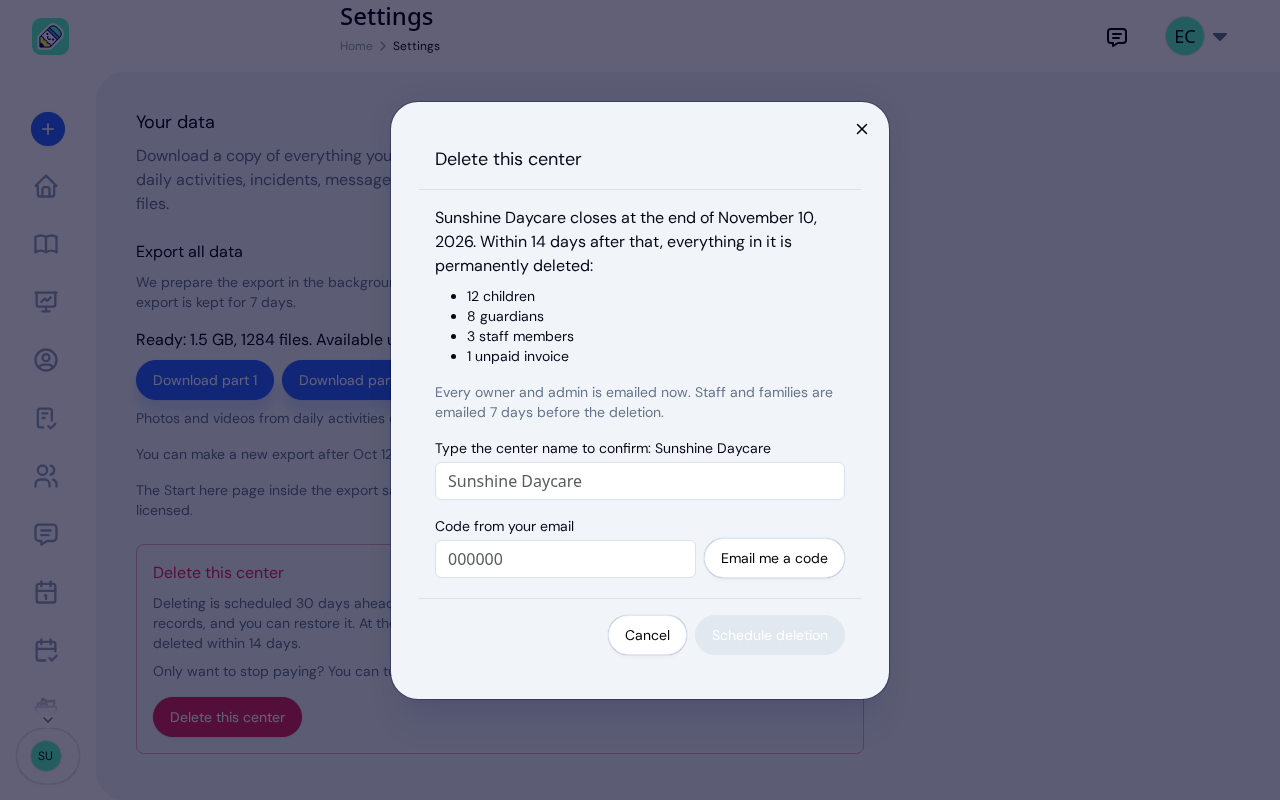
New: Delete Your Center From Settings
Owners can schedule their center's deletion from Settings, keep a full copy of their records, and restore the center...
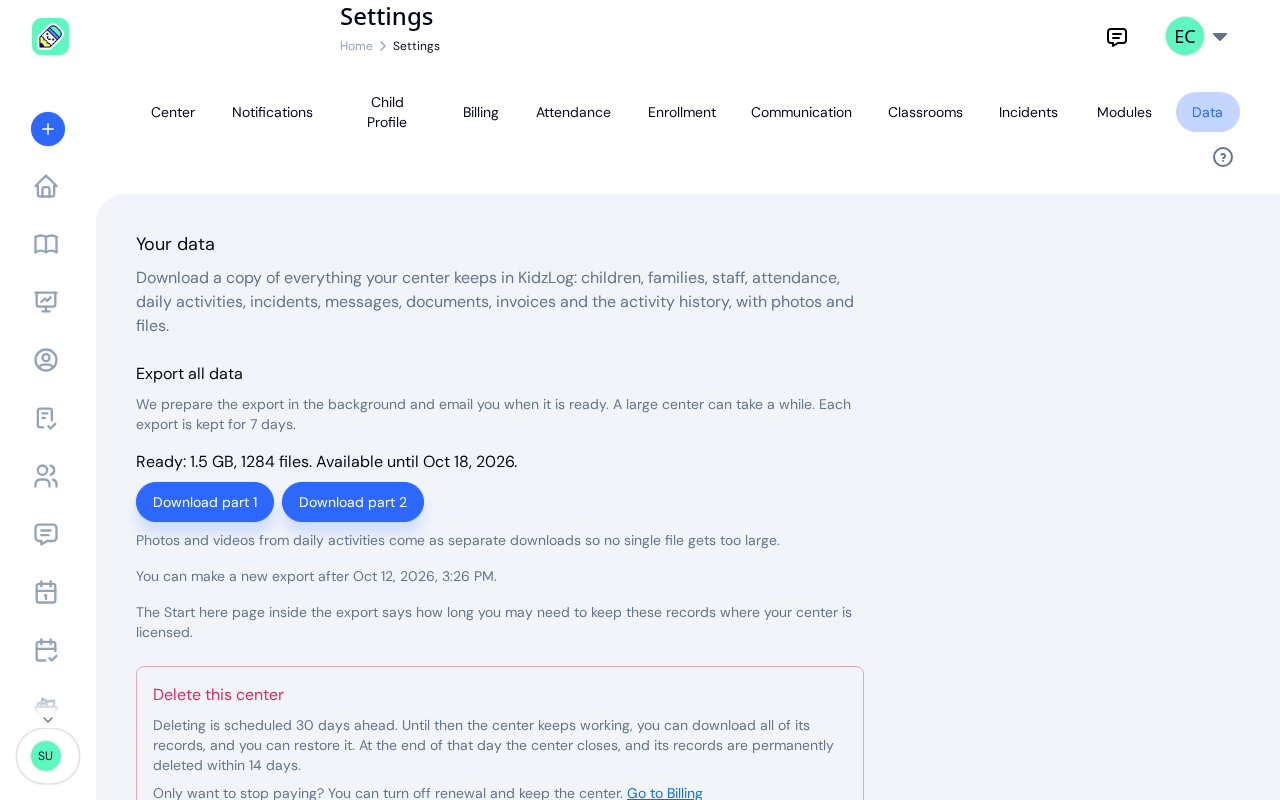
New: Export All of Your Center's Data
Owners can now download everything their center keeps in KidzLog: records as spreadsheets, documents, signatures,...
September Update: Incident Reports and Records
Reopen and correct an approved incident report, choose when parents get the email, send families a note on declined...