Childcare Regulations: A Guide for New Owners
Opening a childcare center isn't just about creating a nurturing environment for children—it's about navigating an intricate web of federal, provincial, and state regulations that ensure child safety while maintaining operational viability. Today, the regulatory landscape has become increasingly complex, with new federal initiatives reshaping funding structures and compliance requirements across North America.
For aspiring childcare center owners, understanding these regulations before you begin operations is crucial. With the childcare market expected to reach $323.15 billion by 2030 and policy changes like the US Child Care and Development Fund (CCDF) Rule capping family co-payments at 7% of income, alongside Canada's federal-provincial agreements targeting $10 CAD per day fees, the stakes have never been higher for proper regulatory compliance.
Whether you're planning to open a small family daycare or a large center serving hundreds of children, this comprehensive guide will help you understand the regulatory framework governing childcare operations in both the United States and Canada. From licensing requirements to ongoing compliance monitoring, we'll provide you with the knowledge and tools needed to build a successful, compliant childcare business. For a closer look at where centers commonly stumble, see our guide on common childcare licensing pitfalls and how to avoid them.
Understanding the Regulatory Framework: Federal vs Provincial/State Authority
United States: State-Led Licensing with Federal Oversight
In the United States, childcare regulation operates through a dual system where states maintain primary authority over licensing while federal programs provide funding with compliance strings attached. The Child Care and Development Fund (CCDF), administered by the Administration for Children and Families, requires states to establish and enforce minimum health and safety requirements for licensed providers.
Key Federal Requirements:
- Comprehensive background checks for all staff
- Health and safety training requirements (including first aid and CPR)
- Pre-licensing and ongoing training standards
- Safe sleep practices for infants
- Administration of medication protocols
- Emergency preparedness and response procedures
States must submit their FFY 2025-2027 CCDF Plans detailing how they'll meet these federal standards while maintaining their own licensing frameworks. This creates a complex compliance environment where providers must meet both federal baseline requirements and state-specific regulations.
Canada: Provincial Authority Under Federal Coordination
Canada's childcare system underwent significant transformation with the Canada Early Learning and Child Care Act, which came into full effect in 2024. While provinces maintain regulatory authority over childcare operations, federal funding now comes with national principles including universality, accessibility, affordability, flexibility, and inclusivity.
Provincial Licensing Variations:
- British Columbia: Requires licensing for care of 3+ unrelated children
- Ontario: Licensing needed for more than 5 children over age 2 or more than 3 children under age 2
- Alberta: Recent Bill C-25 changes allow 16-17 year olds as staff with proper supervision
The March 2025 federal-provincial agreement extending childcare funding until 2031 (excluding Alberta and Saskatchewan initially) demonstrates the ongoing evolution of this regulatory framework.
Licensing Requirements and Processes: Getting Started Right
Pre-Application Assessment
Before beginning the licensing process, conduct a thorough self-assessment to determine your readiness:
Facility Requirements:
- Space Standards: US centers typically require 35 square feet of indoor space per child, while Canadian requirements vary by province (e.g., 2.8m² in Ontario)
- Outdoor Areas: Most jurisdictions require dedicated outdoor play spaces or approved alternatives
- Safety Features: Fire exits, proper ventilation, secure entry systems, and age-appropriate fixtures
- Accessibility: Compliance with Americans with Disabilities Act (US) or provincial accessibility standards (Canada)
Financial Preparedness:
- Licensing fees ranging from $500-$5,000 depending on jurisdiction and center size
- Insurance requirements (general liability typically $1-2 million minimum)
- Bond or financial security deposits
- Initial equipment and furnishing costs
The Application Process Timeline
Most licensing processes take 4-6 months from application to approval, though this varies significantly by jurisdiction. Plan for potential delays, especially in high-demand areas where licensing agencies may be backlogged.
Phase 1: Initial Application (Month 1-2)
- Submit completed application with required documentation
- Pay non-refundable application fees
- Begin background check processes for all proposed staff
- Schedule initial facility inspection
Phase 2: Documentation and Training (Month 2-4)
- Complete required pre-licensing training hours
- Develop policies and procedures manuals
- Obtain required insurance coverage
- Address any facility deficiencies identified in initial inspection
Phase 3: Final Approval (Month 4-6)
- Pass final licensing inspection
- Demonstrate staff qualifications and training completion
- Receive conditional or full license
- Begin operations under any provisional requirements
Health and Safety Standards: Non-Negotiable Requirements
Facility Safety Requirements
Modern childcare regulations prioritize child safety through comprehensive facility standards that have evolved significantly in recent years. For a detailed breakdown of what every center must implement, see our complete health and safety standards guide.
Structural Requirements:
- Lead paint testing and abatement for buildings constructed before 1978
- Radon testing in basement or ground-level facilities
- Water quality testing and approved sources
- Secure fencing for outdoor areas (typically 4-6 feet minimum height)
- Childproof locks and safety gates throughout the facility
Emergency Preparedness:
- Written emergency evacuation plans with monthly practice drills
- Severe weather response procedures
- Medical emergency protocols including staff CPR/First Aid certification
- Emergency contact systems and communication plans
- Backup power considerations for essential systems
Health and Sanitation Protocols
Post-pandemic regulations have heightened health and sanitation requirements across all jurisdictions.
Daily Health Monitoring:
- Daily health checks for all children upon arrival
- Temperature monitoring protocols and exclusion criteria
- Infectious disease reporting requirements to local health authorities
- Isolation procedures for sick children awaiting pickup
Sanitation Standards:
- EPA-approved disinfectants for toys and surfaces
- Food safety protocols including temperature monitoring and storage
- Diaper changing and toilet training sanitation procedures
- Hand hygiene requirements for staff and children
Staffing Requirements: Ratios, Qualifications, and Training
Staff-to-Child Ratios: The Foundation of Quality Care
Staffing ratios represent one of the most critical regulatory requirements, directly impacting both child safety and operational costs. These requirements have become more stringent in many jurisdictions as research continues to demonstrate the impact of appropriate ratios on child development outcomes.
National Recommended Standards:
- Infants (0-18 months): 1:4 ratio, maximum group size of 8
- Toddlers (18-36 months): 1:6 ratio, maximum group size of 12
- Preschool (3-5 years): 1:10 ratio, maximum group size of 20
- School-age (5+ years): 1:15 ratio, maximum group size of 30
State and Provincial Variations: Actual requirements vary significantly by jurisdiction. For example:
- California requires 1:3 ratios for infants
- Colorado mandates 1:5 for children 6 weeks to 18 months
- Ontario requires ratios based on mixed age groups and specific licensing categories
Staff Qualifications and Background Checks
Minimum Education Requirements:
- Directors: Typically require bachelor's degree in early childhood education or related field, plus management experience
- Teachers: High school diploma minimum, with many states requiring CDA (Child Development Associate) certification or equivalent
- Assistant Teachers: High school diploma with ongoing professional development requirements
Background Check Requirements:
- Federal criminal history checks
- State/provincial criminal background checks
- Child abuse and neglect registry checks
- Sex offender registry verification
- FBI fingerprint-based background checks for centers receiving federal funding
Ongoing Training Requirements:
- Annual training hours ranging from 15-40 hours depending on jurisdiction
- Specialized training in areas such as child abuse recognition, emergency procedures, and age-appropriate programming
- Regular recertification in CPR and First Aid
Facility Standards and Inspections: Maintaining Compliance
Pre-Opening Inspections
Before receiving final licensing approval, all facilities undergo comprehensive inspections covering multiple areas:
Fire Safety Inspection:
- Adequate fire exits and emergency lighting
- Proper fire extinguisher placement and maintenance
- Smoke detector and sprinkler system functionality
- Emergency evacuation route posting and accessibility
Health Department Inspection:
- Kitchen facilities and food preparation areas
- Water system safety and quality
- Sewage and waste disposal systems
- Pest control measures and environmental health factors
Building Code Compliance:
- Structural integrity and occupancy limits
- Electrical system safety and capacity
- Heating, ventilation, and air conditioning adequacy
- Playground equipment safety and installation
Ongoing Inspection Schedule
Licensed facilities face regular inspections to ensure continued compliance:
Announced Inspections:
- Annual renewal inspections
- Complaint-driven investigations
- Routine monitoring visits (frequency varies by jurisdiction)
Unannounced Inspections:
- Random compliance monitoring
- Follow-up visits for previous violations
- Special investigations based on reports or incidents
Self-Inspection Requirements:
- Monthly facility safety checks
- Quarterly equipment and playground inspections
- Annual policy and procedure reviews
Record-Keeping and Documentation: The Backbone of Compliance
Essential Documentation Systems
Proper record-keeping serves both regulatory compliance and operational excellence. Modern childcare regulations require comprehensive documentation across multiple areas.
Child Records:
- Complete enrollment applications with emergency contacts
- Medical records including immunizations and health assessments
- Daily attendance tracking with precise arrival and departure times
- Incident reports and injury documentation
- Developmental assessments and progress records
Staff Records:
- Complete personnel files with background check documentation
- Training records and certification tracking
- Performance evaluations and professional development plans
- Time and attendance records
- Emergency contact and medical information
Operational Records:
- Daily activity logs and program documentation
- Financial records including fee collection and expenditures
- Insurance certificates and renewal tracking
- Inspection reports and corrective action documentation
- Emergency drill records and incident response logs
Digital Documentation Solutions
With increasing regulatory complexity, many centers are adopting digital management systems to streamline compliance. Modern childcare management software can automate many documentation requirements while providing real-time access to critical information during inspections.
Key Features to Consider:
- Automated attendance tracking with family access
- Digital incident reporting with photo capabilities
- Staff training and certification tracking
- Inspection checklist management
- Real-time compliance dashboard monitoring
Regulations evolve constantly, so building systems to stay compliant with changing childcare laws is just as important as understanding the initial requirements.
Recent Regulatory Changes and Trends: Staying Current
Recent Federal Policy Changes
United States CCDF Rule Updates: The 2024 CCDF Rule implementation continues through 2025, requiring states to modify payment practices to providers. Key changes include:
- Payment based on enrollment rather than attendance
- Advance payment systems to improve provider cash flow
- Enhanced background check requirements
- Improved health and safety training standards
Implementation Challenges: Many states requested transitional waivers to extend implementation timelines up to two years, reflecting the complexity of these regulatory changes.
Canadian Federal-Provincial Agreements
Extended Funding Commitment: The March 2025 extension of federal childcare funding through 2031 provides stability but comes with enhanced accountability requirements:
- Standardized quality rating systems across provinces
- Enhanced reporting on fee reduction progress
- Expanded professional development requirements for educators
Provincial Variations: While federal principles provide consistency, provinces maintain distinct implementation approaches:
- Quebec's $8.85 per day system serves as a model for other provinces
- Ontario's recent fee reductions to $22 per day for CWELCC participants
- British Columbia's comprehensive quality improvement initiatives
Emerging Trends in Childcare Regulation
Technology Integration:
- Digital health screening tools and contactless check-in systems
- Enhanced communication platforms for family engagement
- Automated compliance monitoring and reporting systems
Environmental Standards:
- Green building requirements for new construction
- Air quality monitoring and improvement mandates
- Sustainable practices in operations and programming
Inclusive Care Requirements:
- Enhanced accessibility standards for children with disabilities
- Cultural competency training requirements for staff
- Multilingual communication and documentation capabilities
Compliance Monitoring and Enforcement: Avoiding Violations
Common Compliance Violations
Understanding the most frequent regulatory violations can help new owners proactively address potential issues:
Top Violation Categories:
- Staff Ratio Violations: Insufficient staffing during peak hours or break times
- Documentation Deficiencies: Missing or incomplete child records, expired staff certifications
- Facility Safety Issues: Broken playground equipment, inadequate supervision of outdoor areas
- Health and Sanitation Lapses: Improper food storage, inadequate cleaning protocols
- Background Check Failures: Employing staff before completion of required screenings
Penalty Structure and Consequences
Regulatory violations can result in various penalties depending on severity and jurisdiction:
Progressive Enforcement Actions:
- Verbal Warnings: For minor, first-time violations
- Written Notices: Requiring corrective action within specified timeframes
- Conditional Licenses: Restricting operations until violations are addressed
- Monetary Penalties: Fines ranging from hundreds to thousands of dollars
- License Suspension: Temporary closure until compliance is achieved
- License Revocation: Permanent closure for serious or repeated violations
Impact on Operations: Violations can significantly impact center operations through:
- Reduced enrollment capacity during restriction periods
- Increased insurance premiums and bonding requirements
- Damage to reputation and family confidence
- Legal liability for non-compliance with safety standards
Building a Culture of Compliance
Proactive Compliance Strategies:
- Implement comprehensive staff training programs covering all regulatory requirements
- Establish internal quality assurance processes with regular self-audits
- Create clear policies and procedures that exceed minimum regulatory requirements
- Maintain open communication with licensing agencies and seek guidance when uncertain
Technology Support for Compliance: Modern childcare management systems can significantly support compliance efforts through:
- Automated ratio monitoring and staff scheduling alerts
- Digital documentation systems ensuring complete record-keeping
- Training tracking and certification renewal notifications
- Incident reporting and follow-up management systems
Implementation Guide for New Owners
Phase 1: Pre-Launch Preparation (6-12 months before opening)
Regulatory Research and Planning:
- Contact Your Licensing Agency: Establish relationships with local licensing staff and understand specific requirements for your jurisdiction
- Attend New Owner Workshops: Most states and provinces offer orientation sessions for prospective licensees
- Develop Business Plan: Include regulatory compliance costs in financial projections
- Secure Funding: Account for licensing fees, facility modifications, and initial equipment costs
Facility Selection and Preparation:
- Site Selection: Choose locations that meet zoning requirements and facility standards
- Facility Assessment: Conduct thorough evaluation of building systems and safety features
- Renovation Planning: Budget for necessary modifications to meet regulatory requirements
- Insurance Acquisition: Secure appropriate coverage before beginning renovation work
Phase 2: Application and Documentation (4-6 months before opening)
License Application Process:
- Complete Application: Gather all required documentation and submit comprehensive application
- Staff Recruitment: Begin recruiting qualified staff and initiate background check processes
- Policy Development: Create comprehensive policies and procedures manual
- Training Planning: Schedule required pre-service training for yourself and initial staff
Facility Preparation:
- Safety Installations: Complete all required safety equipment installation
- Equipment Purchase: Acquire age-appropriate furniture, toys, and educational materials
- Program Development: Create daily schedules and activity planning systems
- Emergency Preparedness: Develop and practice emergency response procedures
Phase 3: Final Approval and Launch (1-2 months before opening)
Final Inspections:
- Pre-Final Walkthrough: Conduct self-inspection using licensing checklist
- Address Deficiencies: Complete any required corrections before final inspection
- Final Inspection: Host licensing agency for final approval inspection
- Conditional Operations: Begin operations under any provisional requirements
Staff Preparation:
- Complete Training: Ensure all staff complete required pre-service training
- Orientation Program: Conduct comprehensive orientation covering policies and procedures
- Practice Runs: Conduct mock operations to identify and address operational issues
- Emergency Drills: Practice all emergency procedures with full staff
Resources and Support Systems
Professional Organizations and Associations
United States:
- National Association for the Education of Young Children (NAEYC): Provides accreditation standards and professional development resources
- Child Care Aware of America: Offers business support and regulatory guidance
- National Association of Child Care Professionals (NACCP): Focuses on business management and compliance support
Canada:
- Child Care Canada: National advocacy organization with provincial affiliates
- Association of Early Childhood Educators: Professional development and regulatory updates
- Provincial Early Childhood Education Associations: State-specific guidance and support
Government Resources and Contact Information
United States Federal Resources:
- Child Care Technical Assistance Network: Comprehensive compliance guidance and training materials
- Administration for Children and Families: Federal policy updates and funding information
- Child Care and Development Fund: Program guidelines and state plan information
Canadian Federal Resources:
- Employment and Social Development Canada: National childcare policy and funding information
- Indigenous Services Canada: Specialized support for Indigenous childcare providers
- Official Languages Support Programs: Resources for bilingual service provision
Technology Solutions for Compliance Management
Comprehensive Management Systems: Modern childcare centers benefit significantly from integrated management platforms that support regulatory compliance while enhancing operational efficiency. When evaluating technology solutions, consider:
Core Compliance Features:
- Automated attendance tracking with real-time ratio monitoring
- Digital documentation systems with cloud-based storage and backup
- Staff training and certification tracking with renewal alerts
- Incident reporting with photo documentation and follow-up tracking
- Family communication portals with secure messaging and documentation sharing
KidzLog Integration for Regulatory Success: KidzLog's comprehensive childcare management platform addresses many regulatory requirements through:
- Real-time attendance tracking ensuring accurate ratio compliance
- Digital incident reporting streamlining documentation requirements
- Automated reminders for staff training and certification renewals
- Comprehensive record-keeping supporting inspection readiness
- Family engagement tools enhancing communication and transparency
Troubleshooting Common Compliance Issues
Staffing Ratio Challenges
Problem: Maintaining required ratios during staff breaks, sick leave, or unexpected absences Solutions:
- Develop comprehensive substitute teacher network with pre-approved background checks
- Cross-train staff to work with multiple age groups as regulations permit
- Implement staggered break schedules that maintain ratio compliance
- Use technology to monitor ratios in real-time and alert management to potential issues
Documentation Management
Problem: Keeping up with extensive record-keeping requirements across multiple areas Solutions:
- Implement digital documentation systems with automated backup and retention
- Assign specific documentation responsibilities to designated staff members
- Create standardized forms and checklists to ensure consistency and completeness
- Schedule regular documentation audits to identify and address gaps
Training and Certification Tracking
Problem: Ensuring all staff maintain current certifications and complete required training hours Solutions:
- Use automated tracking systems with renewal alerts and deadline notifications
- Budget for professional development time and substitute coverage
- Partner with local training providers for on-site or group training options
- Maintain detailed training records with certificates and attendance documentation
Looking Ahead
Emerging Regulatory Trends
Technology Integration Requirements: As childcare becomes increasingly digital, regulatory frameworks are evolving to address:
- Data privacy and security standards for child information
- Digital communication protocols with families
- Online learning platform integration and oversight
- Automated reporting systems and compliance monitoring
Environmental and Sustainability Standards: Growing emphasis on environmental responsibility is leading to new requirements including:
- Energy efficiency standards for facility operations
- Sustainable food service and waste reduction practices
- Outdoor learning space development and maintenance
- Green building certification requirements for new construction
Preparing for Regulatory Evolution
Stay Informed Strategy:
- Subscribe to Regulatory Updates: Follow state/provincial licensing agencies for policy changes
- Professional Development: Attend conferences and workshops on regulatory trends
- Network Engagement: Participate in professional associations and peer learning groups
- Technology Adoption: Invest in systems that can adapt to changing requirements
Future-Proofing Your Operations:
- Build flexibility into facility design and operations
- Invest in staff professional development beyond minimum requirements
- Develop relationships with regulatory agencies and seek guidance proactively
- Maintain financial reserves for regulatory compliance investments
Key Implementation Takeaways
Successfully navigating childcare regulations requires commitment, planning, and ongoing attention to compliance requirements. As you embark on your childcare business journey, keep these essential principles in mind:
Start with Solid Foundations:
- Research regulatory requirements thoroughly before making facility or staffing commitments
- Build compliance costs into your business plan and budget for ongoing regulatory changes
- Establish relationships with licensing agencies early in the planning process
- Invest in systems and processes that exceed minimum requirements to provide operational buffers
Focus on Continuous Improvement:
- Implement regular internal audits and self-assessment processes
- Stay connected with professional organizations and regulatory update sources
- Train staff comprehensively on compliance requirements and empower them to identify potential issues
- Use technology solutions to streamline compliance management and reduce administrative burden
Maintain Regulatory Relationships:
- Communicate openly with licensing agencies and seek guidance when facing uncertainties
- Participate in professional development opportunities offered by regulatory bodies
- Share best practices with other providers and learn from their compliance strategies
- Treat inspections as learning opportunities rather than adversarial encounters
Plan for Growth and Change:
- Design systems and processes that can scale with business growth
- Stay informed about regulatory trends and policy changes affecting the childcare industry
- Budget for ongoing compliance investments including facility improvements and staff development
- Develop contingency plans for addressing violations or regulatory changes
Leverage Support Systems:
- Join professional organizations that provide regulatory guidance and peer support
- Partner with experienced providers who can share practical compliance strategies
- Invest in comprehensive management systems that support regulatory compliance while enhancing operations
- Build relationships with consultants and specialists who can provide expert guidance during challenging compliance situations
The regulatory landscape for childcare will continue evolving as policymakers, advocates, and industry professionals work together to enhance child safety, educational quality, and family access to services. By building strong compliance foundations and maintaining commitment to continuous improvement, new childcare owners can navigate these complexities successfully while creating thriving, sustainable businesses that serve children and families effectively.
Remember that regulatory compliance isn't just about meeting minimum requirements—it's about creating an environment where children can learn, grow, and thrive safely. When approached with the right mindset and adequate preparation, navigating childcare regulations becomes not just manageable, but an integral part of building a high-quality early childhood program that benefits everyone involved.
Ready to streamline your childcare center's regulatory compliance? Try KidzLog today and discover how our comprehensive management platform can simplify documentation, automate compliance tracking, and help you maintain the high standards your children and families deserve.
Ready to Simplify and Organize your Daycare?
Get started with KidzLog today!
KidzLog Team
Related Articles
How to Start a Daycare Business: A Practical Guide
The key steps to opening a daycare: licensing and location, staffing, safety requirements, and building your first...
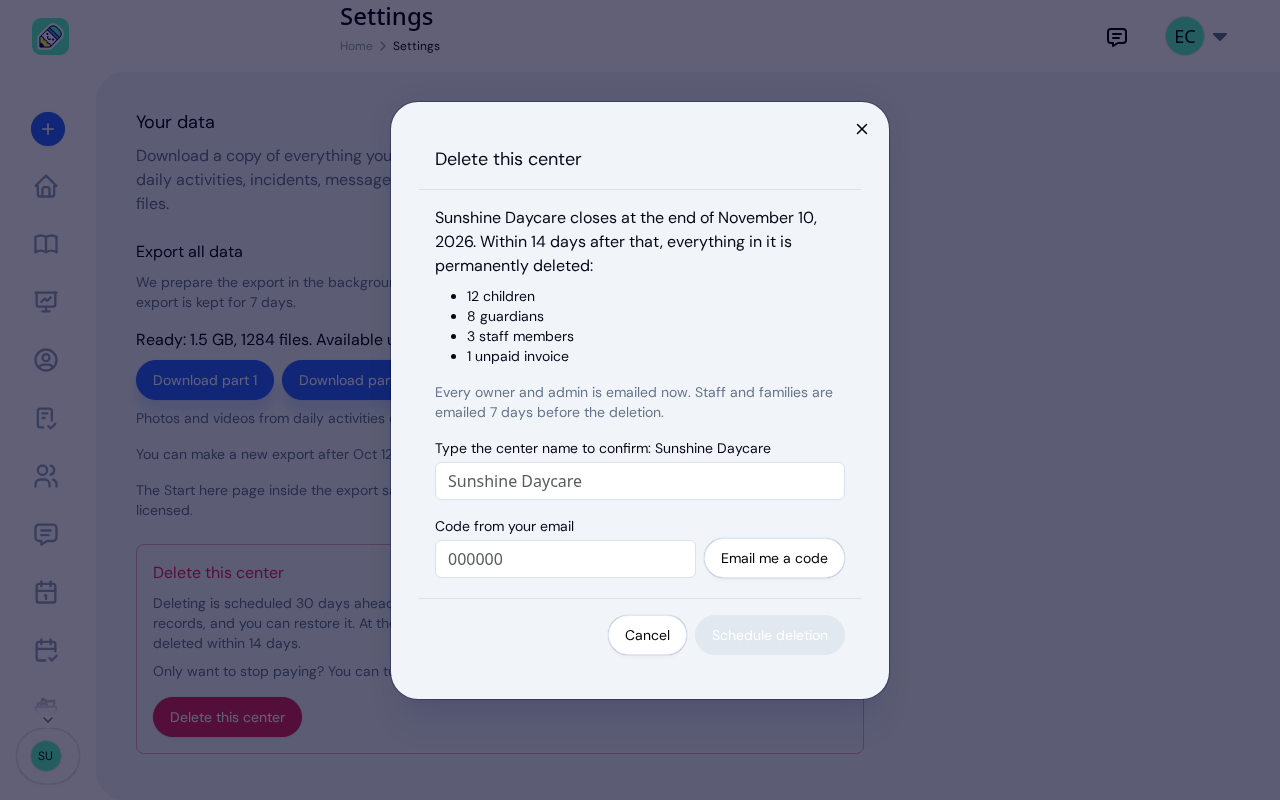
New: Delete Your Center From Settings
Owners can schedule their center's deletion from Settings, keep a full copy of their records, and restore the center...
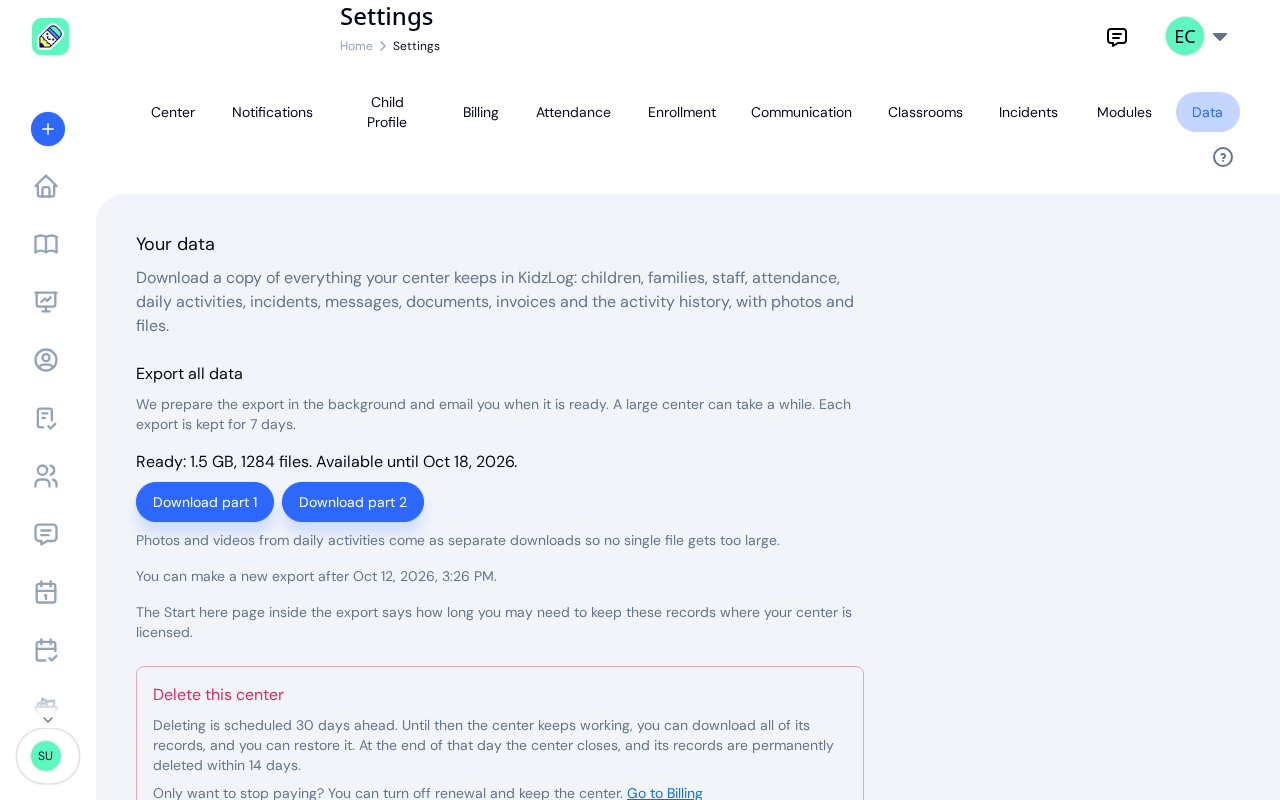
New: Export All of Your Center's Data
Owners can now download everything their center keeps in KidzLog: records as spreadsheets, documents, signatures,...