Health and Safety Standards Every Childcare Center Must Follow
Health and safety compliance isn't just about meeting minimum requirements—it's about creating an environment where children can thrive while families trust that their most precious assets are protected. Today, childcare centers face increasingly complex regulatory landscapes, evolving health protocols, and heightened parent expectations for transparency and accountability.
With over 1.1 million children served by licensed and unlicensed childcare providers across Canada, the stakes have never been higher for maintaining exemplary health and safety standards. Health and safety protocols consistently rank among parents' top priorities when selecting childcare, making compliance not just a legal requirement but a critical business advantage.
This comprehensive guide provides childcare center directors and staff with current, actionable strategies for implementing robust health and safety protocols that exceed regulatory requirements while streamlining daily operations. For step-by-step protocol implementation, see our companion guide on creating essential health and safety protocols for childcare centers. Whether you're operating under US federal and state guidelines or Canadian federal and provincial regulations, you'll find practical implementation frameworks that protect children, support staff confidence, and demonstrate your commitment to excellence.
Understanding the Current Regulatory Landscape
US Federal and State Requirements
The regulatory framework for US childcare centers involves multiple layers of oversight, each with specific health and safety mandates that vary significantly by state while maintaining certain federal minimums.
Federal Guidelines:
- CDC childcare health and safety guidelines provide baseline recommendations
- OSHA workplace safety standards apply to all childcare facilities as employment sites
- USDA nutrition and food safety requirements for centers providing meals
- Americans with Disabilities Act (ADA) accessibility standards
State-Level Variations: State licensing agencies typically oversee day-to-day compliance with more stringent requirements than federal minimums. Key areas where states differ include:
- Staff-to-child ratios: Range from 1:3 for infants in states like Massachusetts to 1:4 in most states, with some variation based on program type
- Training requirements: From 12 hours annually to 40+ hours depending on state
- Health screening protocols: Varies from basic immunization records to comprehensive health assessments
- Physical environment standards: Square footage per child, outdoor space requirements, and safety equipment specifications
Canadian Federal and Provincial Framework
Canada's childcare health and safety oversight operates through a collaborative federal-provincial structure, with Health Canada setting national guidelines while provinces manage licensing and enforcement.
Federal Guidelines (Health Canada):
- National standards for communicable disease prevention
- Food safety protocols for childcare settings
- Environmental health guidelines including air quality and water safety
- Emergency preparedness recommendations
Provincial Variations: Each province maintains specific licensing requirements that often exceed federal minimums:
- British Columbia: Enhanced outdoor play requirements and natural disaster preparedness
- Ontario: Comprehensive serious occurrence reporting systems and enhanced staff screening
- Quebec: Unique educational program integration with health and safety protocols
- Alberta: Specific rural and remote center adaptations for emergency services access
Cross-Border Best Practices
Centers operating near borders or serving families from both countries benefit from understanding comparative standards and adopting the highest requirements from either system. This approach ensures comprehensive protection while demonstrating commitment to excellence that transcends minimum compliance.
Comprehensive Health Protocols
Daily Health Screening Procedures
Effective health screening begins before children enter your facility each day. A robust screening protocol serves as your first line of defense against communicable diseases while providing valuable health monitoring data.
Morning Health Check Protocol:
- Visual Assessment - Trained staff observe each child for signs of illness including fever, rash, discharge from eyes or nose, or unusual behavior
- Temperature Monitoring - Non-contact thermometers provide quick, accurate readings without cross-contamination risks
- Parent Communication - Brief check-in about child's health status, sleep patterns, and any concerning symptoms from previous evening
- Documentation - Record results in child's health log using standardized forms or digital tracking systems
Temperature and Symptom Thresholds:
- Fever Protocol: 100.4°F (38°C) or higher requires immediate exclusion
- Respiratory Symptoms: Persistent cough, difficulty breathing, or excessive nasal discharge
- Gastrointestinal Signs: Vomiting, diarrhea, or unusual stomach discomfort
- Behavioral Indicators: Unusual irritability, lethargy, or inability to participate in normal activities
Technology Integration: Modern health screening benefits significantly from digital documentation systems. KidzLog's health tracking features allow staff to quickly record daily health checks, automatically flag concerning patterns, and generate reports for health authorities when required. Digital systems also facilitate rapid parent communication when exclusion is necessary.
Immunization and Medical Records Management
Maintaining current, accessible immunization records isn't just regulatory compliance—it's essential for outbreak prevention and ensuring appropriate medical care during emergencies.
Documentation Requirements:
For US Centers:
- State-specific immunization schedules (may vary from CDC recommendations)
- Medical exemption documentation where permitted
- Religious exemption forms per state requirements
- Physician statements for children with special health needs
For Canadian Centers:
- Provincial immunization schedules aligned with National Advisory Committee on Immunization (NACI) recommendations
- Medical exemption documentation from licensed physicians
- Documentation of previous disease immunity where applicable
- Special consideration forms for children with compromised immune systems
Record Management Systems: Effective medical record management requires both security and accessibility. Consider implementing:
- Secure Digital Storage: Cloud-based systems with encryption and access controls
- Backup Protocols: Multiple storage locations to prevent data loss
- Staff Access Levels: Different permission levels based on role and need-to-know basis
- Parent Access Portals: Secure systems allowing parents to update information and view records
Illness and Exclusion Protocols
Clear, consistently applied illness and exclusion policies protect the entire childcare community while supporting families in making appropriate health decisions. For a complete framework covering prevention, exclusion, and outbreak response, see our guide on managing illness in childcare.
Exclusion Criteria Development: Work with your local health authority to establish specific criteria that reflect community disease patterns and current health threats. Common exclusion criteria include:
- Fever: 100.4°F (38°C) or higher, regardless of cause
- Vomiting: Any vomiting in previous 24 hours, unless determined to be non-contagious cause
- Diarrhea: Loose or watery stools that represent change from child's normal pattern
- Rash: Unexplained rash, especially if accompanied by fever or behavioral changes
- Communicable Diseases: Any diagnosed communicable disease during contagious period
Return-to-Care Protocols: Establish clear criteria for when children may return to care:
- Fever-free Period: Minimum 24 hours without fever-reducing medication
- Symptom Resolution: Return to normal eating, sleeping, and activity patterns
- Medical Clearance: Physician approval for return after specific illnesses
- Medication Completion: Appropriate antibiotic treatment period completed where applicable
Advanced Sanitation and Hygiene Protocols
Environmental Cleaning Procedures
Effective environmental cleaning goes beyond basic tidiness to create a hygienic environment that minimizes disease transmission while maintaining a welcoming, educational atmosphere.
Daily Cleaning Schedule Framework:
Morning Preparation (30-45 minutes before children arrive):
- Surface disinfection of all tables, chairs, and frequently touched surfaces
- Restroom sanitization including toilets, sinks, faucets, and door handles
- Toy rotation system implementation—remove previous day's toys for cleaning, introduce sanitized toys
- Air quality check and ventilation system activation
Mid-Day Maintenance (during lunch and nap periods):
- Eating surface sanitization between meal services
- High-touch surface spot cleaning (light switches, door handles, water fountains)
- Restroom maintenance and supply restocking
- Playground equipment inspection and cleaning if used
End-of-Day Deep Cleaning (after children depart):
- Comprehensive floor cleaning including mopping with approved disinfectants
- Toy washing and sanitization using three-step process (wash, rinse, sanitize)
- Trash removal and liner replacement
- Overnight disinfection of sleep areas and equipment
Weekly Deep Cleaning Tasks:
- Carpet shampooing or professional cleaning
- Window cleaning for natural light optimization
- Deep sanitization of kitchen and food preparation areas
- Cleaning supply inventory and safety check
Food Safety and Kitchen Protocols
Food safety in childcare settings requires heightened vigilance due to children's developing immune systems and increased vulnerability to foodborne illnesses.
Food Handling Certification Requirements:
US Requirements:
- ServSafe or equivalent certification for kitchen staff
- State-specific food handler permits where required
- Annual recertification and continuing education
- Documentation of training completion for licensing compliance
Canadian Requirements:
- Provincial food safety certification (varies by province)
- HACCP (Hazard Analysis Critical Control Points) training where applicable
- Regular refresher training and competency assessments
- Integration with provincial health inspection protocols
Kitchen Safety Implementation:
Temperature Control Systems:
- Refrigerator monitoring with daily temperature logs (40°F / 4°C or below)
- Freezer temperature maintenance (0°F / -18°C or below)
- Hot food holding temperatures (140°F / 60°C or above)
- Cold food service temperatures (below 41°F / 5°C)
Cross-Contamination Prevention:
- Color-coded cutting boards for different food types
- Separate storage areas for raw and ready-to-eat foods
- Hand washing stations with proper soap and single-use towels
- Staff training on allergen awareness and prevention protocols
Documentation and Monitoring: Comprehensive food safety requires meticulous record-keeping:
- Daily temperature logs for all refrigeration equipment
- Food source documentation and expiration date tracking
- Cleaning and sanitization schedules with completion verification
- Incident reports for any food safety concerns or suspected foodborne illness
Emergency Preparedness and Response
Comprehensive Emergency Response Planning
Effective emergency preparedness requires plans that address multiple scenarios while remaining simple enough for staff to execute under stress. Your emergency response plan should be a living document that evolves with your facility and community risk factors.
Multi-Hazard Planning Approach:
Natural Disasters:
- Fire Emergencies: Evacuation routes, assembly points, and communication protocols
- Severe Weather: Shelter-in-place procedures for tornadoes, hurricanes, or severe storms
- Earthquakes: Drop, cover, and hold protocols with post-earthquake safety assessment
- Flooding: Evacuation procedures and alternative care arrangements
Security Threats:
- Unauthorized Access: Lockdown procedures and law enforcement notification protocols
- Violence Threats: Staff and child protection procedures with designated safe areas
- Missing Child: Search protocols and law enforcement engagement procedures
- Custody Disputes: Documentation requirements and de-escalation strategies
Medical Emergencies:
- Severe Allergic Reactions: EpiPen administration and emergency medical services activation
- Serious Injuries: First aid response and parent/emergency contact notification
- Infectious Disease Outbreaks: Isolation procedures and health authority reporting
- Mental Health Crises: De-escalation techniques and professional resource activation
Staff Training and Preparedness
Emergency preparedness depends entirely on staff competency and confidence. Regular training ensures that all team members can respond appropriately regardless of their primary role or experience level.
Certification Requirements:
Mandatory Certifications for All Staff:
- CPR certification appropriate for age groups served (infant, child, adult)
- First Aid certification with pediatric focus
- AED (Automated External Defibrillator) training where equipment is available
- Emergency evacuation procedures specific to your facility layout
Additional Specialized Training:
- Medication administration for staff responsible for children with special health needs
- Severe allergy management including epinephrine auto-injector use
- Mental health first aid for recognizing and responding to childhood trauma
- Crisis communication techniques for interacting with distressed parents and emergency responders
Training Schedule Implementation:
- Initial Certification: Complete before staff begin working independently with children
- Annual Recertification: Ensure skills remain current and meet licensing requirements
- Quarterly Drills: Practice emergency procedures with all staff and children
- Scenario-Based Training: Role-play specific emergency situations relevant to your community
Communication and Documentation Protocols
Effective emergency communication can mean the difference between a well-managed situation and chaos. Your communication protocol should address multiple audiences and communication methods while maintaining accuracy and calm.
Emergency Communication Hierarchy:
Immediate Response (First 5 minutes):
- Ensure child and staff safety
- Contact emergency services if required (911 in US, 911 in Canada)
- Implement appropriate emergency procedure
- Designate staff member to manage communication
Short-term Communication (5-30 minutes):
- Contact licensing authority if required by regulations
- Notify center director or management if not on-site
- Begin parent notification using established emergency contact systems
- Document actions taken and timeline of events
Ongoing Communication (30 minutes and beyond):
- Provide regular updates to parents through multiple channels
- Coordinate with emergency responders and community officials
- Manage media inquiries if necessary
- Plan for resumption of normal operations
Risk Assessment and Management
Systematic Risk Identification
Proactive risk management requires regular, systematic assessment of potential hazards throughout your facility and programs. This process should involve staff from all levels and consider both obvious and subtle risks.
Physical Environment Assessment:
Indoor Hazard Evaluation:
- Structural Safety: Regular inspection of walls, ceilings, floors for damage or wear
- Electrical Systems: Outlet protection, cord management, and electrical panel security
- Chemical Storage: Proper storage and labeling of cleaning supplies and maintenance chemicals
- Equipment Safety: Age-appropriate furniture, secure shelving, and properly maintained playground equipment
Outdoor Environment Inspection:
- Playground Safety: Surface materials, equipment condition, and age-appropriate design
- Fencing and Gates: Security, height requirements, and latch functionality
- Landscaping Hazards: Poisonous plants, sharp edges, and pest control considerations
- Water Features: Pool safety, drainage issues, and standing water elimination
Program Risk Analysis:
Activity-Based Risk Assessment: Each activity and routine should be evaluated for potential risks:
- Art and Craft Activities: Tool safety, material toxicity, and choking hazards
- Physical Activities: Space requirements, supervision ratios, and equipment safety
- Field Trips: Transportation safety, destination hazards, and emergency access
- Meal and Snack Times: Allergy management, choking prevention, and food safety
Behavioral Risk Considerations:
- Supervision Requirements: Staff positioning and child behavior management
- Transition Times: Managing movement between activities and spaces
- Individual Child Needs: Accommodating special health or behavioral requirements
- Visitor Management: Background checks, supervision requirements, and access control
Risk Mitigation Strategies
Once risks are identified, systematic mitigation strategies must be implemented, monitored, and regularly updated based on effectiveness and changing conditions.
Engineering Controls:
- Physical Modifications: Installing safety gates, improving lighting, or modifying play areas
- Equipment Upgrades: Replacing outdated equipment with safer alternatives
- Environmental Changes: Improving ventilation, reducing noise levels, or enhancing security systems
- Technology Integration: Implementing monitoring systems, communication tools, or documentation platforms
Administrative Controls:
- Policy Development: Creating clear procedures for high-risk situations
- Staff Training: Ensuring competency in risk recognition and response
- Scheduling Adjustments: Modifying routines to reduce risk exposure
- Communication Protocols: Establishing clear reporting and response procedures
Personal Protective Equipment:
- Staff Protection: Gloves, eye protection, or specialized clothing for certain activities
- Child Safety Equipment: Helmets for specific activities, flotation devices for water play
- Emergency Equipment: First aid supplies, emergency communication devices
- Specialized Needs: Equipment for children with specific medical or developmental requirements
Implementation Timeline and Getting Started
Phase 1: Assessment and Planning (Weeks 1-4)
Current State Evaluation: Begin your health and safety enhancement journey with a comprehensive assessment of existing protocols and identification of improvement opportunities.
Week 1-2: Documentation Review
- Compile all current health and safety policies and procedures
- Review licensing compliance records and inspection reports
- Assess staff training records and certification status
- Inventory emergency supplies and safety equipment
Week 3-4: Gap Analysis
- Compare current practices against regulatory requirements
- Identify areas where policies exist but implementation is inconsistent
- Assess staff knowledge and comfort level with emergency procedures
- Evaluate communication systems and parent satisfaction with safety transparency
Resource Planning:
- Calculate budget requirements for equipment upgrades, training, and certification
- Determine staffing needs for enhanced protocols
- Identify community resources and professional partnerships
- Plan timeline for implementation that minimizes disruption to daily operations
Phase 2: Foundation Building (Weeks 5-12)
Policy Development and Documentation:
- Create comprehensive, written policies for all identified health and safety areas
- Develop staff procedures with step-by-step implementation guidance
- Design parent communication materials explaining new or enhanced protocols
- Establish documentation systems and record-keeping procedures
Staff Training Implementation:
- Schedule mandatory certifications for all staff members
- Conduct facility-specific emergency response training
- Implement ongoing competency assessment and feedback systems
- Create mentorship programs pairing experienced staff with new team members
System Integration: Consider how technology can streamline implementation and improve consistency. KidzLog's comprehensive management platform can support your health and safety enhancement efforts by:
- Digitalizing health screening records and immunization tracking
- Automating compliance reporting and documentation
- Facilitating rapid parent communication during emergencies
- Creating audit trails for safety inspections and training completion
Phase 3: Full Implementation and Monitoring (Weeks 13-26)
Gradual Rollout Strategy:
- Implement enhanced protocols systematically, starting with highest-priority areas
- Monitor staff adaptation and provide additional support where needed
- Gather feedback from staff, parents, and children on new procedures
- Adjust implementation timeline based on real-world challenges and successes
Quality Assurance and Continuous Improvement:
- Establish regular review cycles for all health and safety protocols
- Create feedback mechanisms for ongoing improvement suggestions
- Schedule periodic drills and competency assessments
- Maintain communication with licensing authorities and community health officials
Professional Development and Assessment
Staff Competency Evaluation
Ensuring staff competency in health and safety protocols requires ongoing assessment that goes beyond initial training completion. Effective evaluation systems combine formal assessment with practical application opportunities.
Competency Assessment Framework:
Knowledge Verification:
- Written assessments covering regulatory requirements and facility-specific procedures
- Scenario-based evaluations testing decision-making skills under pressure
- Regular review sessions discussing updates to protocols and lessons learned from incidents
- Peer evaluation opportunities where experienced staff mentor newer team members
Practical Skill Demonstration:
- Hands-on emergency response drill participation with performance feedback
- Health screening technique observation and coaching
- Proper use of cleaning and sanitization equipment with competency verification
- Communication skill assessment through role-playing exercises with parents and emergency responders
Ongoing Development Planning:
- Individual professional development goals related to health and safety expertise
- Conference and workshop attendance opportunities for specialized training
- Internal expertise sharing where staff with specialized knowledge train colleagues
- Connection with community health professionals for advanced learning opportunities
Documentation and Record Keeping
Comprehensive documentation serves multiple purposes: regulatory compliance, quality improvement, legal protection, and professional development. Your documentation system should be thorough while remaining manageable for busy staff.
Essential Documentation Categories:
Daily Operations Records:
- Health screening logs with consistent formatting and complete information
- Incident and accident reports with detailed descriptions and follow-up actions
- Medication administration records with precise timing and dosage information
- Cleaning and sanitization checklists with staff verification signatures
Training and Certification Records:
- Staff certification tracking with renewal date notifications
- Training attendance documentation with competency assessment results
- Emergency drill participation records with performance feedback
- Professional development activity logs with skill improvement tracking
Regulatory Compliance Documentation:
- Licensing inspection reports with corrective action implementation timelines
- Health authority communication records and compliance verification
- Equipment maintenance logs with safety inspection schedules
- Policy review and update documentation with staff acknowledgment records
Future-Proofing Your Health and Safety Program
Emerging Trends and Considerations
The childcare industry continues to evolve in response to new research, changing family needs, and emerging health challenges. Staying ahead of these trends positions your center as a leader while ensuring continued compliance and excellence.
Technology Integration Evolution:
- Wearable Health Monitoring: Devices that track children's vital signs and activity levels
- Environmental Monitoring Systems: Real-time air quality, temperature, and humidity tracking
- AI-Powered Risk Assessment: Systems that analyze patterns and predict potential safety issues
- Enhanced Communication Platforms: Integrated systems connecting health monitoring, parent communication, and regulatory reporting
Regulatory Trend Anticipation:
- Mental Health Integration: Increased focus on emotional well-being and trauma-informed care
- Environmental Health Standards: Enhanced requirements for chemical exposure reduction and natural material use
- Inclusive Safety Standards: Improved accessibility and accommodation requirements for children with diverse needs
- Community Emergency Integration: Enhanced coordination with local emergency services and disaster response systems
Sustainability and Long-Term Viability
Building health and safety programs that remain effective long-term requires attention to sustainability, staff retention, and community engagement.
Program Sustainability Strategies:
- Staff Retention Focus: Creating career development pathways that reward health and safety expertise
- Community Partnership Development: Building relationships with local health providers, emergency services, and educational institutions
- Parent Engagement Enhancement: Involving families in safety education and emergency preparedness planning
- Continuous Improvement Culture: Establishing systems that encourage ongoing enhancement rather than minimum compliance
Financial Planning for Excellence:
- Budget Planning: Allocating appropriate resources for ongoing training, equipment replacement, and program enhancement
- Grant and Funding Opportunities: Identifying sources of financial support for safety improvements and staff development
- Cost-Benefit Analysis: Documenting the value of enhanced safety programs in terms of reduced incidents, improved parent satisfaction, and regulatory compliance
- Insurance Considerations: Working with insurance providers to recognize risk reduction efforts through premium adjustments
Key Implementation Points
Transform your childcare center's health and safety standards with these prioritized action steps:
- Start with assessment: Complete comprehensive evaluation of current protocols within 30 days
- Focus on staff training: Ensure 100% certification compliance before implementing enhanced procedures
- Implement systematic documentation: Digital tracking systems reduce errors and improve regulatory compliance
- Establish clear communication: Parents who understand your safety commitment become your strongest advocates
- Create maintenance schedules: Regular equipment and facility inspections prevent emergencies and extend equipment life
- Build community partnerships: Relationships with health authorities and emergency services enhance response capabilities
- Monitor and adjust continuously: Monthly review cycles ensure protocols remain current and effective
- Invest in staff development: Advanced training creates expertise that benefits your entire program
- Plan for emergencies comprehensively: Practice drills quarterly and update procedures annually
- Document everything systematically: Thorough records protect your center and demonstrate professional excellence
- Engage families as partners: Parent education about safety protocols builds trust and compliance
- Stay informed about industry changes: Regular review of regulatory updates prevents compliance issues and identifies improvement opportunities
Excellence in health and safety isn't a destination—it's an ongoing commitment that protects children, supports staff confidence, and demonstrates your dedication to providing the highest quality childcare experience. By implementing these comprehensive protocols and maintaining focus on continuous improvement, your center becomes a model of professional excellence that attracts families and retains outstanding staff.
Ready to streamline your childcare center operations? Try KidzLog today and see how easy managing your daycare can be!
Ready to Simplify and Organize your Daycare?
Get started with KidzLog today!
KidzLog Team
Related Articles
September Update: Incident Reports and Records
Reopen and correct an approved incident report, choose when parents get the email, send families a note on declined...
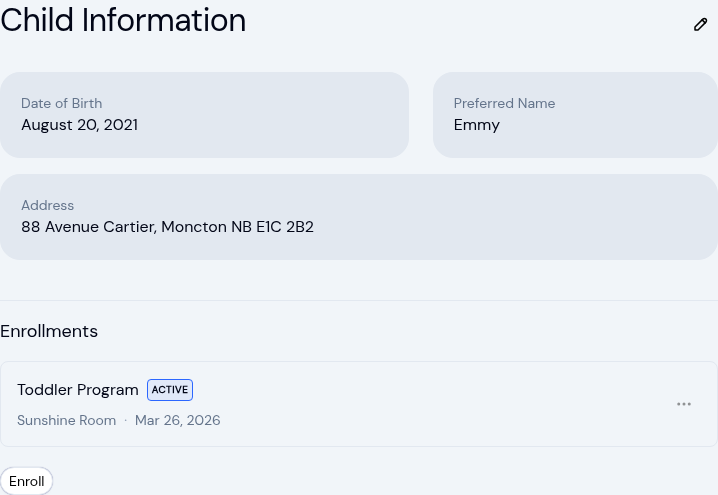
New: A Child's Address and Health Care Provider
The child record now holds the child's own address and their health care provider. Both show on the profile, in Health...
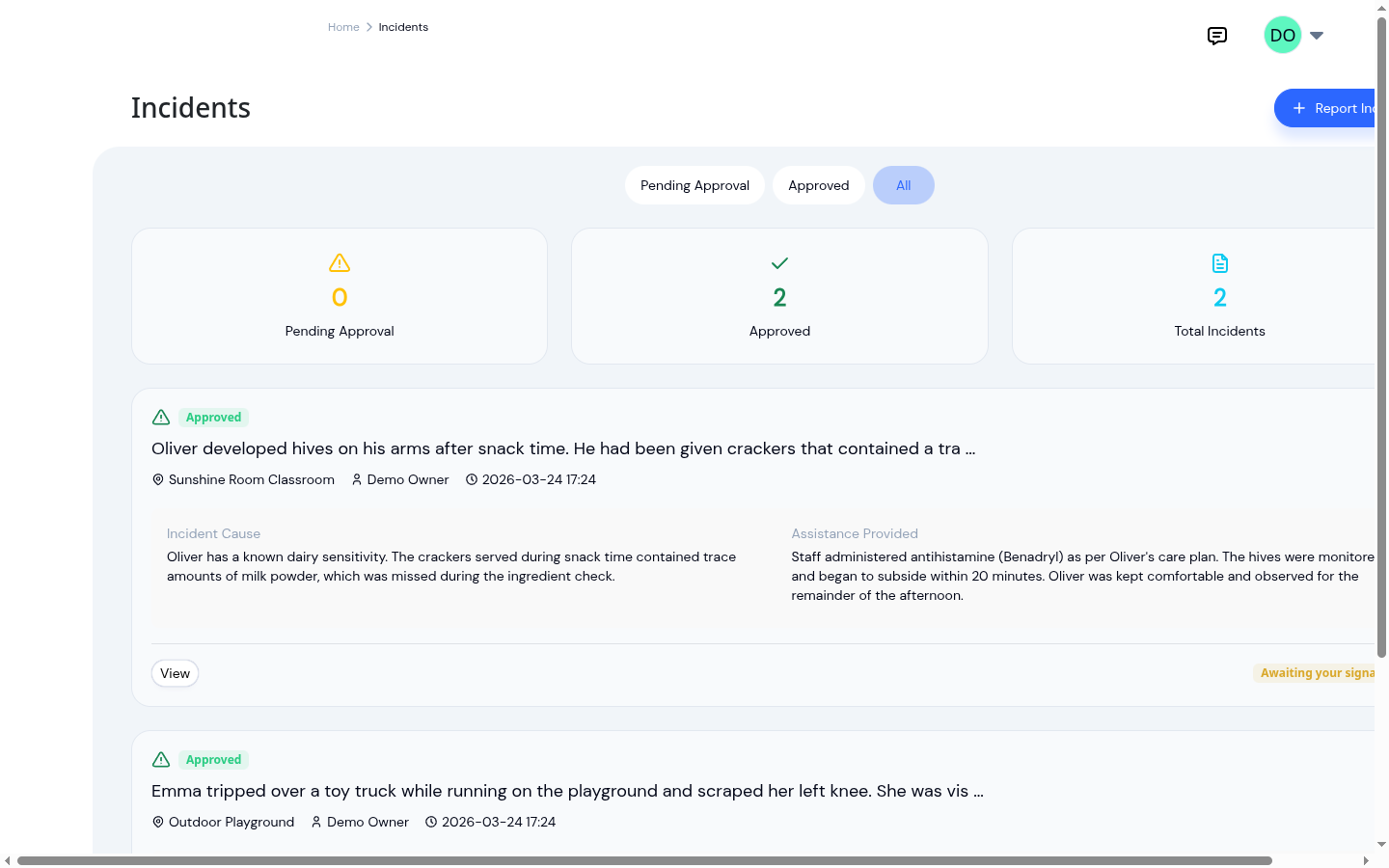
Sorting your incident log by type and severity
A scraped knee and a reportable reaction look identical in most logs. Sorting by type and severity makes a flat record...