Managing Illness in Childcare
Illness management in childcare isn't just about sending sick children home—it's about creating comprehensive health systems that protect entire communities while maintaining operational continuity. With increased awareness of infectious disease prevention and evolving health department guidelines, childcare centers face more complex health management requirements than ever before.
For childcare directors navigating post-pandemic health protocols, updated CDC guidelines, and varying provincial health authority requirements, this comprehensive guide provides evidence-based strategies for illness prevention, management, and recovery. Whether you're managing a small family daycare in rural Saskatchewan or a large center in downtown Atlanta, these protocols adapt to your specific operational needs while ensuring compliance with both US and Canadian health standards.
Modern illness management extends beyond traditional "sick day" policies to encompass daily health monitoring systems, environmental controls, staff wellness programs, and family communication strategies. Illness protocols are one piece of a broader safety framework — for the complete picture, see our guide to health and safety standards every childcare center must follow. This guide transforms reactive illness response into proactive health management that reduces outbreak risks, minimizes operational disruptions, and builds parent confidence in your center's safety protocols.
Daily Health Screening and Illness Recognition Systems
Morning Health Assessment Protocols
Effective illness management begins at your front door each morning. Implement a systematic health screening process that identifies potential illness before children enter your learning environment. Train all staff to recognize early illness indicators and establish consistent protocols that work across different age groups and developmental stages.
Visual Health Assessment Checklist:
- Overall appearance and energy levels compared to baseline
- Skin color and complexion changes
- Eye clarity and discharge indicators
- Nasal congestion or unusual discharge
- Breathing patterns and respiratory effort
- Behavioral changes from typical patterns
Create age-specific screening protocols that account for developmental differences. Infants require different assessment techniques than preschoolers, focusing more on feeding patterns, sleep disruption, and caregiver-reported changes in routine. Toddlers may show illness through increased clinginess, irritability, or changes in play behavior before physical symptoms appear.
Temperature Screening Best Practices: Establish consistent temperature-taking procedures using calibrated digital thermometers. Train staff on proper thermometer use, including forehead versus temporal artery techniques. Document all temperature readings, noting time, method, and any contributing factors like recent physical activity or outdoor temperature exposure.
For centers serving both US and Canadian families, align temperature thresholds with local health department guidelines. Most jurisdictions consider 100.4°F (38°C) as fever threshold, but some provincial health authorities may have slightly different criteria for exclusion decisions.
Technology-Enhanced Health Monitoring
Modern childcare management systems like KidzLog can streamline daily health screening documentation, creating searchable records that help identify patterns and support outbreak investigations. Digital health logs enable real-time communication with parents about their child's daily health status and provide historical data for healthcare providers.
Implement mobile health screening tools that allow staff to quickly document observations, photograph visible symptoms (with appropriate permissions), and immediately alert administrators to potential concerns. These systems reduce documentation time while improving accuracy and communication speed.
Data-Driven Health Pattern Recognition: Use digital records to identify illness patterns within your center. Track seasonal trends, identify common transmission pathways, and adjust prevention strategies based on historical data. This information proves valuable for insurance reporting, health department communications, and parent education initiatives.
Staff Training for Health Recognition
Develop comprehensive staff training programs covering illness recognition, documentation procedures, and communication protocols. Include hands-on practice with health screening tools, scenario-based decision making, and cultural sensitivity training for discussing health concerns with diverse families.
Training Components:
- Basic childhood illness symptom recognition
- Proper use of health screening equipment
- Documentation requirements and legal considerations
- Communication strategies for sensitive health discussions
- Emergency medical response protocols
- Cross-cultural considerations in health discussions
Regular training updates ensure staff stay current with evolving health guidelines and maintain consistent screening quality across all team members.
Comprehensive Exclusion Criteria and Return-to-Care Policies
Evidence-Based Exclusion Guidelines
Develop clear, written exclusion policies based on current CDC, Health Canada, and local health department guidelines. These policies must balance child safety with family needs, providing specific criteria that remove subjective decision-making from illness exclusion choices.
Primary Exclusion Criteria:
- Fever of 100.4°F (38°C) or higher
- Vomiting within the last 24 hours
- Diarrhea that's loose, watery, or contains blood/mucus
- Persistent cough that interferes with activities
- Difficulty breathing or wheezing
- Rash with fever or behavioral changes
- Conjunctivitis with discharge
- Mouth sores with drooling
Behavioral and General Health Indicators: Beyond specific symptoms, establish exclusion criteria for general illness behaviors including inability to participate comfortably in activities, requiring more care than staff can provide while maintaining ratios, or signs of severe illness like persistent lethargy or unusual irritability.
Return-to-Care Protocols
Create specific return-to-care criteria that protect center health while supporting working families. Establish minimum symptom-free periods for different illness types and require healthcare provider clearance for specific conditions.
Standard Return-to-Care Requirements:
- Fever-free for 24 hours without fever-reducing medication
- No vomiting or diarrhea for 24 hours
- Completion of antibiotic treatment (minimum 24 hours for bacterial infections)
- Healthcare provider clearance for communicable diseases
- Child able to participate in all regular activities
Communicate return-to-care policies clearly during enrollment, include them in parent handbooks, and reinforce through regular reminders during illness seasons. Consider flexible policies for chronic conditions like asthma or allergies that don't pose transmission risks.
Managing Borderline Cases
Develop protocols for managing children who appear mildly unwell but don't meet clear exclusion criteria. Train staff to document observations thoroughly, communicate concerns with parents, and monitor closely throughout the day.
Create "comfort care" protocols for children experiencing minor symptoms like slight congestion or mild cough. These might include reduced physical activity, increased fluid intake, and more frequent health checks while maintaining safety for other children.
Parental Communication Strategies: When discussing exclusion decisions, focus on specific observable symptoms rather than general concerns. Provide written documentation of symptoms noted and reference specific policy criteria. Offer suggestions for healthcare consultation when appropriate and maintain supportive, non-judgmental communication tone.
Disease Outbreak Prevention and Management
Identifying Outbreak Patterns
Establish systems for recognizing when illness cases indicate potential outbreaks rather than sporadic individual illnesses. Most health departments define outbreaks as illness rates significantly above expected levels for your population and time period.
Outbreak Recognition Indicators:
- Two or more cases of the same illness within 72 hours
- Illness rates exceeding 10-15% of enrolled children (percentage thresholds vary by jurisdiction and disease type)
- Multiple staff members ill with similar symptoms
- Severity of illness beyond typical seasonal patterns
- Confirmed communicable disease diagnosis
Implement daily illness tracking systems that identify patterns quickly. Use digital management platforms to generate automatic reports when illness rates exceed predetermined thresholds, triggering enhanced monitoring and communication protocols.
Outbreak Response Procedures
Develop written outbreak management procedures that clearly define roles, responsibilities, and communication chains. Establish partnerships with local health departments before outbreaks occur, understanding reporting requirements and available support resources.
Immediate Response Actions:
- Enhance daily health screening protocols
- Implement stricter exclusion and return-to-care policies
- Increase environmental cleaning and sanitization frequency
- Activate enhanced staff health monitoring
- Communicate with all families about outbreak status
- Document all cases and interventions
- Coordinate with health department officials
- Consider temporary program modifications
Communication During Outbreaks: Maintain transparent communication with families while protecting individual privacy. Provide general information about illness types, prevention measures families can take, and any program modifications without identifying specific affected children.
Develop template communications for different outbreak scenarios, including initial notifications, ongoing updates, and all-clear announcements. Ensure communications are available in languages spoken by your families and accessible through multiple channels.
Partnership with Health Authorities
Build relationships with local health departments before crises occur. Understand reporting requirements for your jurisdiction, identify key contacts, and clarify support services available during outbreaks.
Health Department Coordination:
- Know mandatory reporting requirements and timelines
- Understand investigation procedures and center responsibilities
- Clarify guidance for program closure decisions
- Establish communication protocols for ongoing consultation
- Document all health department interactions and recommendations
Different provinces and states may have varying requirements for reporting and outbreak management. Maintain current contact information for relevant health authorities and ensure key staff understand reporting procedures.
Communication with Parents and Health Authorities
Daily Health Communication Systems
Establish routine communication systems that keep parents informed about their child's health status throughout the day. This includes both wellness updates and early illness notifications that allow families to make informed decisions about care.
Digital Health Communication Tools: Modern childcare management systems enable real-time health updates through mobile apps, allowing parents to receive immediate notifications about temperature readings, symptom observations, or comfort measures provided during the day.
Use photo documentation (with appropriate permissions) to share health-related observations with parents, such as rash development, eating patterns during illness recovery, or medication administration confirmation. This visual communication reduces misunderstandings and supports continuity of care between center and home.
Structured Health Reporting: Develop standardized health communication formats that ensure consistent information sharing. Include specific symptom descriptions, timing of observations, interventions provided, and any recommendations for home care or healthcare provider consultation.
Sensitive Health Conversations
Train staff in culturally sensitive approaches to discussing health concerns with diverse families. Some cultures may have different perspectives on illness causation, treatment preferences, or healthcare provider utilization. Develop communication strategies that respect these differences while maintaining center health requirements.
Effective Health Communication Strategies:
- Use objective symptom descriptions rather than diagnostic language
- Focus on observable behaviors and measurable indicators
- Provide written documentation of health observations
- Offer resources for healthcare provider consultations
- Respect family health decision-making processes
- Maintain confidentiality while ensuring necessary information sharing
Address language barriers through interpretation services, translated materials, or multilingual staff members. Ensure critical health information is communicated clearly regardless of language differences.
Emergency Health Communication Protocols
Establish clear protocols for emergency health communications, including medical emergencies, serious illness onset, or suspected communicable disease exposure. Define when to contact parents immediately versus routine end-of-day communication.
Emergency Communication Triggers:
- Fever over 102°F (38.9°C) or any fever in infants under 2 months
- Persistent vomiting or signs of dehydration
- Difficulty breathing or respiratory distress
- Serious injury requiring medical attention
- Suspected communicable disease exposure
- Behavioral changes suggesting serious illness
Maintain updated emergency contact information and practice emergency communication procedures regularly. Ensure multiple staff members can access contact information and follow communication protocols effectively.
Staff Illness Policies and Substitute Management
Comprehensive Staff Health Requirements
Establish clear staff illness policies that balance employee wellbeing with program safety. Staff illness management requires different considerations than child illness policies, including employment law compliance, operational continuity, and modeling healthy behaviors.
Staff Exclusion Criteria: Staff should be excluded for symptoms similar to child exclusion criteria, with additional considerations for their ability to perform essential job functions safely. This includes fever, vomiting, diarrhea, persistent cough, or any symptoms that impair their ability to provide appropriate supervision and care.
Consider specific requirements for staff working with vulnerable populations like infants or children with compromised immune systems. These groups may require stricter staff health standards and additional protective measures during illness seasons.
Return-to-Work Policies: Develop clear return-to-work criteria that ensure staff are fully recovered and no longer contagious. Require healthcare provider clearance for serious illnesses and maintain confidential health documentation as required by privacy laws.
Substitute Coverage Systems
Create robust substitute systems that maintain program quality during staff illness. This includes maintaining qualified substitute lists, providing orientation and training for regular substitutes, and developing reduced-ratio protocols for emergency coverage situations.
Substitute Preparation Strategies:
- Maintain current substitute contact lists with availability preferences
- Provide orientation packages for new substitutes including health policies
- Create detailed daily routine guides for different age groups
- Establish emergency coverage protocols when substitutes are unavailable
- Cross-train existing staff for emergency coverage across age groups
Partner with other childcare centers, local colleges with early childhood programs, or professional substitute agencies to expand your coverage options. Consider maintaining retainer arrangements with experienced substitutes during high-illness seasons.
Supporting Staff Wellness
Implement programs that support staff health and reduce illness transmission within your center. This includes promoting flu vaccination, providing health benefits information, and creating work environments that support recovery.
Staff Wellness Initiatives:
- Annual flu vaccination programs or partnerships (subject to jurisdictional variations and exemption policies including religious, medical, and philosophical exemptions)
- Health insurance information and support
- Flexible sick leave policies that encourage staying home when ill
- Mental health and stress management resources
- Ergonomic workplace assessments and improvements
- Professional development in health and safety topics
Create work environments that support immune system health through proper ventilation, stress reduction, adequate break time, and access to healthy food options.
Environmental Controls and Cleaning Protocols
Enhanced Sanitization Procedures
Implement evidence-based cleaning and sanitization protocols that target illness-causing pathogens while maintaining safe environments for children and staff. For a broader look at daily sanitation routines and facility safety measures, see our guide on essential health and safety protocols for childcare centers. Use EPA-approved disinfectants and follow manufacturer instructions for contact time and dilution ratios.
Daily Cleaning Protocols: Establish routine cleaning schedules that address high-touch surfaces multiple times daily. Include doorknobs, light switches, faucets, toys, eating surfaces, and playground equipment in regular sanitization routines.
Create age-specific cleaning protocols that account for different contamination risks. Infant rooms require more frequent sanitization due to mouthing behaviors, while preschool areas need enhanced bathroom and food service cleaning.
Outbreak-Level Cleaning Procedures: During illness outbreaks, implement enhanced cleaning protocols including increased frequency, stronger disinfectant solutions (when safe for children), and additional focus on areas where ill children spent time.
Document all enhanced cleaning procedures, including products used, areas treated, and staff responsible. This documentation supports health department investigations and insurance claims if needed.
Air Quality and Ventilation Management
Optimize indoor air quality through proper ventilation, humidity control, and air filtration systems. Poor air quality contributes to illness transmission and can exacerbate respiratory conditions in sensitive children.
Ventilation Best Practices:
- Maintain proper fresh air exchange rates according to local building codes
- Use HEPA air filtration systems where feasible
- Control humidity levels between 30-50% to reduce pathogen survival
- Ensure adequate ventilation in all program areas including bathrooms
- Regular HVAC system maintenance and filter replacement
During outbreak periods, consider increasing fresh air exchange rates and running air purification systems continuously. Open windows when weather permits to increase natural ventilation.
Safe Chemical Storage and Use
Maintain proper storage and use protocols for all cleaning and sanitizing chemicals. Ensure chemicals are inaccessible to children, properly labeled, and used according to manufacturer safety data sheets.
Train all staff in chemical safety procedures, including proper dilution ratios, personal protective equipment use, and emergency response procedures for accidental exposure or ingestion.
Chemical Safety Requirements:
- Lock storage for all chemicals away from children
- Proper labeling including dilution ratios and safety warnings
- Safety data sheets accessible to all staff
- Personal protective equipment for staff using chemicals
- Eyewash stations and first aid supplies readily available
- Regular inventory and expiration date monitoring
Documentation and Record-Keeping Systems
Comprehensive Health Records Management
Maintain detailed health records that support illness tracking, outbreak investigations, and regulatory compliance. Use secure, HIPAA-compliant systems that protect privacy while enabling necessary information sharing with parents and health authorities.
Essential Health Documentation:
- Daily health screening results and observations
- Illness symptom descriptions and progression
- Temperature readings and medication administration
- Exclusion and return-to-care decisions with justifications
- Healthcare provider communications and clearances
- Outbreak tracking and intervention measures
Implement digital record-keeping systems that enable quick data retrieval, pattern analysis, and report generation. Modern childcare management platforms can automate much of this documentation while maintaining accuracy and accessibility.
Legal Compliance and Privacy Protection
Ensure all health record-keeping meets federal and provincial privacy requirements while supporting necessary information sharing for child safety. Understand HIPAA requirements in the US and Personal Information Protection Act requirements in Canada.
Privacy Protection Measures:
- Limit access to health records to essential staff only
- Secure storage of physical and digital health records
- Proper disposal of health-related documents
- Written policies for information sharing with parents and authorities
- Staff training on privacy protection requirements
Develop clear policies about what health information can be shared with whom and under what circumstances. Train staff to recognize when legal consultation is needed for unusual information sharing requests.
Report Generation and Analysis
Use health record data to generate reports that support program improvement, regulatory compliance, and parent communication. Regular analysis of illness patterns can identify areas for policy or procedure improvements.
Useful Health Reports:
- Monthly illness rates by age group and symptom type
- Seasonal illness pattern analysis
- Outbreak frequency and duration tracking
- Exclusion and return-to-care pattern analysis
- Staff illness impact on operations
Share appropriate health data with parents through regular newsletters or meetings, focusing on aggregate patterns rather than individual cases. This transparency builds trust and demonstrates your center's commitment to health management.
Vaccination Requirements and Health Records Management
Comprehensive Immunization Tracking
Maintain current vaccination records for all enrolled children according to local health department requirements. Understand differences between US CDC vaccination schedules and Canadian provincial immunization programs to serve families from both countries appropriately.
Vaccination Documentation Requirements: Track and verify age-appropriate vaccinations including routine childhood immunizations, seasonal flu vaccines, and any special requirements for high-risk populations. Create systems that alert staff when booster shots are due and communicate requirements clearly with families.
Develop policies for managing children with medical exemptions, religious exemptions (where allowed), and temporary delays in vaccination schedules. These policies must balance individual family choices with community health protection.
Managing Vaccination Status During Outbreaks: During communicable disease outbreaks, vaccination status becomes critical for determining exclusion requirements and return-to-care policies. Maintain easily accessible vaccination records that enable quick status verification.
Understand local health department protocols for managing unvaccinated children during specific disease outbreaks, including potential exclusion requirements and alternative care arrangements.
Health Record Integration Systems
Implement integrated health record systems that combine vaccination tracking, health screening documentation, and illness management records. This comprehensive approach enables better health pattern recognition and supports continuity of care.
Digital Health Record Advantages: Modern childcare management systems can integrate vaccination tracking with daily health screening, medication administration, and incident reporting. This integration reduces duplicate documentation while improving data accuracy and accessibility.
Use automated reminder systems for vaccination due dates, health screening requirements, and routine health assessments. These systems reduce administrative burden while ensuring compliance with health requirements.
Collaboration with Healthcare Providers
Establish procedures for collaborating with children's healthcare providers when necessary for illness management or health record verification. Maintain appropriate consent forms and communication protocols.
Healthcare Provider Coordination:
- Consent forms for healthcare provider communication
- Procedures for requesting health clarifications or clearances
- Documentation of healthcare provider recommendations
- Integration of medical care plans for chronic conditions
- Emergency medical information accessibility
Develop relationships with local pediatric practices and family doctors to facilitate necessary communications about children's health needs and care plans.
Implementation Timeline and Getting Started
Phase 1: Foundation Building (Weeks 1-4)
Begin implementation by establishing basic health policies and training core staff. Focus on essential daily health screening procedures and basic illness management protocols.
Week 1-2: Policy Development
- Review current illness policies and identify gaps
- Research local health department requirements
- Draft comprehensive illness management policies
- Create health screening checklists and documentation forms
Week 3-4: Staff Training and System Setup
- Train all staff on new health screening procedures
- Implement daily health documentation systems
- Establish communication protocols with parents
- Create substitute coverage plans
Phase 2: Advanced Systems (Weeks 5-8)
Expand implementation to include outbreak management procedures, enhanced environmental controls, and technology integration.
Week 5-6: Outbreak Preparedness
- Develop outbreak response procedures
- Establish health department partnerships
- Create emergency communication templates
- Implement enhanced cleaning protocols
Week 7-8: Technology and Documentation
- Integrate digital health record systems
- Train staff on data analysis and reporting
- Establish regular health pattern review procedures
- Implement parent communication technology
Phase 3: Refinement and Optimization (Weeks 9-12)
Fine-tune systems based on initial implementation experience and staff feedback. Focus on efficiency improvements and advanced health management strategies.
Continuous Improvement Process:
- Regular policy review and updates based on experience
- Staff feedback collection and incorporation
- Parent satisfaction assessment and improvements
- Health outcome measurement and analysis
Success Metrics and Evaluation: Track implementation success through illness rate monitoring, parent satisfaction surveys, staff confidence assessments, and health department compliance reviews.
Professional Development and Ongoing Education
Health Management Training Programs
Invest in ongoing professional development for all staff in health management, illness recognition, and disease prevention. This training builds confidence and ensures consistent application of health policies.
Core Training Topics:
- Childhood illness recognition and symptom evaluation
- Proper health screening techniques and documentation
- Communication skills for sensitive health discussions
- Emergency response procedures and first aid
- Infection control and prevention strategies
- Cultural competency in health communications
Provide regular training updates as health guidelines evolve and new research emerges. Include both formal training sessions and informal peer learning opportunities.
Assessment and Documentation Skills
Develop staff skills in health assessment, accurate documentation, and pattern recognition. These skills enable early identification of potential health concerns and support effective communication with families and healthcare providers.
Assessment Skill Development:
- Objective symptom description and documentation
- Photography and visual documentation techniques
- Health pattern recognition and analysis
- Critical thinking in health decision-making
- Technology use for efficient documentation
Create opportunities for staff to practice assessment skills through role-playing exercises, case study discussions, and peer observation activities.
Leadership Development in Health Management
Prepare supervisory staff to lead effective health management programs through advanced training in policy development, outbreak management, and team coordination during health crises.
Leadership Training Components:
- Health crisis management and decision-making
- Effective communication during stressful health situations
- Coordination with external health authorities and agencies
- Staff support and stress management during health crises
- Policy development and implementation strategies
Future Trends in Childcare Health Management
Technology Integration and Health Monitoring
Emerging technologies will continue to transform childcare health management through improved monitoring systems, predictive analytics, and enhanced communication tools. Stay current with technological developments that can improve health outcomes while maintaining the personal touch families expect.
Emerging Technology Applications:
- Wearable health monitoring devices for continuous temperature and activity tracking
- AI-powered symptom recognition and pattern analysis
- Advanced air quality monitoring and automated environmental controls
- Telemedicine integration for healthcare provider consultations
- Predictive modeling for illness outbreak prevention
Evaluate new technologies carefully, considering privacy implications, cost-effectiveness, and compatibility with your center's philosophy and family expectations.
Evolving Health Guidelines and Evidence-Based Practices
Health management practices will continue evolving as research provides new insights into illness prevention, transmission patterns, and effective intervention strategies. Maintain current knowledge through professional development, industry publications, and health authority updates.
Staying Current with Best Practices:
- Regular review of CDC, Health Canada, and local health department guideline updates
- Participation in professional development opportunities and health management conferences
- Networking with other childcare health professionals
- Integration of new research findings into policy and procedure updates
Building Resilient Health Systems
Focus on developing health management systems that can adapt to changing circumstances, whether from new disease emergence, evolving family needs, or changing regulatory requirements.
Resilience Factors:
- Flexible policies that can adapt to new circumstances
- Strong staff training programs that build confidence and competency
- Technology systems that can integrate new features and requirements
- Community partnerships that provide support during challenging times
- Financial planning that accounts for health management investments
Key Implementation Takeaways
Start Small, Build Systematically
- Begin with daily health screening: Implement consistent morning health checks using simple checklists before expanding to complex systems
- Focus on staff training first: Ensure all team members understand basic illness recognition and documentation before implementing advanced protocols
- Establish parent communication early: Create clear, consistent communication systems that build trust and understanding with families
Prioritize Evidence-Based Protocols
- Use CDC and Health Canada guidelines: Base all policies on current health authority recommendations rather than traditional practices
- Document everything systematically: Maintain detailed health records that support pattern recognition and regulatory compliance
- Integrate technology thoughtfully: Choose digital tools that enhance rather than complicate your health management processes
Build Strong Community Partnerships
- Connect with local health departments: Establish relationships before crises occur to ensure smooth coordination during outbreaks
- Network with healthcare providers: Create communication systems that support continuity of care between home and center
- Engage families as partners: Develop collaborative approaches to health management that respect family values while maintaining center standards
Maintain Flexibility and Adaptability
- Plan for various scenarios: Develop procedures for different illness types, outbreak levels, and staffing challenges
- Regular policy review and updates: Schedule routine evaluation of health management policies based on experience and changing guidelines
- Invest in ongoing education: Provide continuous professional development opportunities that keep staff current with evolving best practices
Measure Success and Continuous Improvement
- Track health outcomes: Monitor illness rates, outbreak frequency, and intervention effectiveness to guide program improvements
- Collect feedback regularly: Gather input from staff, families, and community partners to identify areas for enhancement
- Celebrate achievements: Recognize successful health management outcomes and share lessons learned with the broader childcare community
Balance Comprehensive Care with Operational Reality
- Align policies with resources: Ensure health management requirements match your center's staffing, space, and budget realities
- Communicate expectations clearly: Provide specific, understandable guidelines that staff can implement consistently
- Support staff wellbeing: Create work environments that promote health for everyone in your childcare community
Transform your childcare center's health management with digital tools designed for modern needs. Discover how KidzLog streamlines health documentation, enhances parent communication, and supports comprehensive illness tracking systems that keep your community healthy and your operations running smoothly.
Ready to Simplify and Organize your Daycare?
Get started with KidzLog today!
KidzLog Team
Related Articles
September Update: Incident Reports and Records
Reopen and correct an approved incident report, choose when parents get the email, send families a note on declined...
New: A Child's Address and Health Care Provider
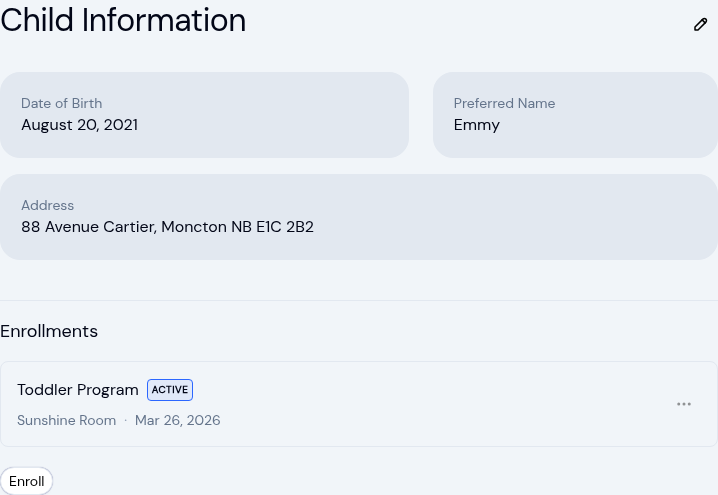
The child record now holds the child's own address and their health care provider. Both show on the profile, in Health...
Menus by Room and Clearer Allergy Alerts
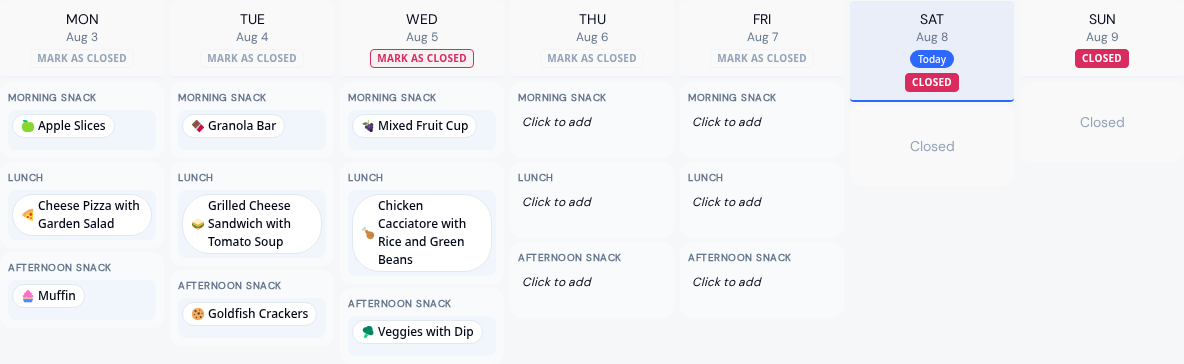
Run an infant menu alongside a center-wide one, plan a whole month before saving it, email families when it is ready,...