Health and Safety Protocols for Centers
Creating a truly safe environment for children isn't just about meeting minimum regulatory requirements—it's about establishing comprehensive health and safety protocols that protect every child, staff member, and family in your care. Childcare centers across North America face heightened expectations for health and safety management, with parents prioritizing centers that demonstrate excellence in protective practices and transparent communication.
For childcare center directors and owners looking to implement world-class safety protocols, this comprehensive guide provides detailed implementation strategies, documentation frameworks, and compliance systems that work for both US and Canadian regulatory environments. Whether you're establishing new protocols or enhancing existing ones, these evidence-based approaches will help you create the safe haven families trust and regulators expect. For a high-level overview of all regulatory requirements, start with our guide to health and safety standards every childcare center must follow.
Modern childcare safety extends beyond basic precautions to encompass proactive health monitoring, comprehensive environmental safety measures, and integrated emergency response systems that protect children while supporting optimal development and learning.
Daily Health Screening and Assessment Protocols
Comprehensive Morning Health Checks
Daily health screening forms the foundation of childcare center safety, serving as your first line of defense against illness transmission and health emergencies. Effective morning health checks require structured protocols that staff can implement consistently while maintaining positive interactions with children and families.
Essential Health Screening Components:
- Visual assessment for signs of illness or injury
- Temperature checks using contactless thermometers
- Inquiry about symptoms, medication, or health changes
- Review of any overnight incidents or concerns
- Documentation of all findings and decisions
Implementation Timeline:
- Week 1-2: Staff training on screening procedures and documentation
- Week 3: Pilot program with feedback collection
- Week 4: Full implementation with daily monitoring
- Month 2: Protocol refinement based on operational experience
- Ongoing: Monthly staff refresher training
Age-Specific Screening Adaptations:
Infants (6 weeks - 12 months):
- Focus on feeding patterns, sleep quality, and diaper changes
- Monitor for fever, unusual fussiness, or changes in appetite
- Check for rashes, particularly in diaper area
- Assess responsiveness and interaction levels
Toddlers (12 months - 3 years):
- Include basic verbal check-ins about how they feel
- Watch for changes in energy levels or behavior
- Monitor for respiratory symptoms or congestion
- Check for visible injuries from home activities
Preschoolers (3-5 years):
- Encourage children to self-report how they feel
- Assess readiness to participate in daily activities
- Monitor for signs of emotional distress or behavioral changes
- Check for proper healing of any existing injuries
Documentation and Communication Systems
Effective health screening requires robust documentation that supports both daily operations and regulatory compliance. Digital systems like KidzLog can streamline this process while ensuring comprehensive record-keeping.
Daily Health Log Requirements:
- Child's name and arrival time
- Screening staff member identification
- Temperature reading (if applicable)
- Visual assessment findings
- Parent-reported information
- Any exclusions or accommodations needed
- Follow-up actions required
Parent Communication Protocol:
- Immediate notification for any concerning findings
- Daily summary reports for children with ongoing health monitoring
- Clear explanation of exclusion decisions and return criteria — see our complete guide on managing illness in childcare for detailed exclusion policies
- Documentation of parent responses and acknowledgments
Comprehensive Hygiene and Sanitation Procedures
Hand Hygiene Excellence Standards
Hand hygiene represents one of the most effective infection prevention measures in childcare settings. Implementing comprehensive hand hygiene protocols requires age-appropriate techniques, frequent reinforcement, and systematic monitoring.
Critical Hand Hygiene Moments:
- Upon arrival and before departure
- Before and after meals and snacks
- After using the bathroom or assisting with toileting
- After playing outdoors or handling animals
- Before and after handling food preparation
- After coughing, sneezing, or nose blowing
- After cleaning or handling contaminated materials
Age-Appropriate Instruction Methods:
Teaching Toddlers Proper Handwashing:
- Use visual cues like handwashing posters with pictures
- Implement singing techniques (two rounds of "Happy Birthday")
- Provide step stools and child-sized soap dispensers
- Use colorful, appealing soap to encourage participation
- Celebrate successful handwashing with positive reinforcement
Preschooler Hand Hygiene Education:
- Teach the five steps: wet, soap, scrub, rinse, dry
- Use UV light demonstrations to show effectiveness
- Create handwashing charts for children to track progress
- Implement peer modeling and buddy systems
- Connect handwashing to health and care for others
Hand Sanitizer Protocols:
- Use only alcohol-based sanitizers with minimum 60% alcohol content (CDC standard), with effectiveness range of 60-95%
- Supervise all hand sanitizer use by children
- Store sanitizers securely out of reach when not in use
- Use as supplement to, not replacement for, handwashing
- Monitor for skin irritation and provide alternatives for sensitive children
Surface and Toy Sanitation Systems
Systematic cleaning and disinfection of surfaces and toys prevents disease transmission while maintaining a welcoming, engaging environment for children.
Daily Cleaning Schedule Framework:
Hourly Tasks (High-Touch Surfaces):
- Door handles, light switches, and handrails
- Bathroom fixtures and changing table surfaces
- Food preparation and eating surfaces
- Water fountains and hand washing stations
After Each Use:
- Toys that have been in children's mouths
- Art supplies and manipulative materials
- Dramatic play items and costumes
- Electronic devices or tablets
Daily Deep Cleaning:
- All floor surfaces with appropriate cleaning solutions
- Trash removal and sanitization of containers
- Bathroom deep cleaning and restocking
- Kitchen equipment and food storage areas
- Crib rails, high chairs, and feeding equipment
Toy Rotation and Sanitization System:
- Implement three-bin system: clean, dirty, and sanitizing
- Establish daily toy rotation schedule to ensure thorough cleaning
- Use dishwasher-safe toys when possible for efficient sanitization
- Create cleaning solution appropriate for different toy materials
- Document toy sanitization completion and staff responsibilities
Canadian and US Regulatory Alignment: Both Canadian provincial health authorities and US state licensing agencies require documented cleaning protocols. Ensure your procedures meet or exceed requirements in both jurisdictions by:
- Following provincial health authority requirements (provinces set facility requirements in Canada)
- Aligning with CDC recommendations for childcare sanitation
- Documenting chemical usage and safety data sheet maintenance
- Training staff on appropriate chemical safety standards as required by jurisdiction
Environmental Safety and Childproofing Excellence
Comprehensive Facility Safety Assessment
Creating a truly safe physical environment requires systematic assessment of every space where children spend time, from obvious hazards to subtle environmental risks that may not be immediately apparent.
Room-by-Room Safety Evaluation:
Classroom Environments:
- Secure all furniture to walls to prevent tipping
- Install safety latches on cabinets containing supplies or materials
- Use corner guards on sharp furniture edges
- Ensure all electrical outlets have safety covers or sliding plate outlets
- Check window blind cords and eliminate strangulation hazards
- Verify adequate spacing between furniture for emergency evacuation
Bathroom Safety Measures:
- Install non-slip mats in all wet areas
- Secure all cleaning chemicals in locked storage
- Use anti-scald devices on faucets and fixtures
- Provide step stools with non-slip surfaces
- Install privacy locks that can be opened from outside in emergencies
- Ensure adequate lighting and ventilation
Kitchen and Food Preparation Areas:
- Secure all knives and sharp utensils in locked drawers
- Install safety latches on appliance doors and controls
- Use stove knob covers and oven locks when not in supervised use
- Maintain separate storage for cleaning chemicals and food items
- Install ground fault circuit interrupters (GFCI) on all electrical outlets
- Implement pest control measures that are safe for children
Outdoor Play Environment:
- Conduct weekly playground equipment inspections
- Maintain appropriate fall surfaces under and around equipment
- Check for and remove any hazardous debris or materials
- Ensure fencing is secure and gates function properly
- Inspect for and address any toxic plants or mushrooms
- Verify shade structures are secure and provide adequate coverage
Emergency Equipment and Accessibility
Proper emergency equipment placement and maintenance ensures rapid response capability while meeting regulatory requirements across different jurisdictions.
First Aid Station Requirements:
- Fully stocked first aid kit with regular expiration date monitoring
- AED (Automated External Defibrillator) with staff training documentation
- Emergency contact information for all enrolled children
- Staff emergency contact and medical information
- Emergency medication for children with specific health needs
- Communication devices for emergency services contact
Fire Safety and Evacuation Systems:
- Monthly fire drill documentation with varying exit routes
- Emergency evacuation plans posted in every room
- Fire extinguisher inspections and maintenance records
- Smoke detector testing and battery replacement schedules
- Emergency lighting systems with backup power sources
- Designated meeting areas with roll call procedures
Severe Weather Preparedness:
- Weather monitoring systems and alert protocols
- Designated severe weather shelter areas
- Emergency supply kits with food, water, and basic medical supplies
- Communication systems for parent notification during emergencies
- Backup heating/cooling systems for extended shelter periods
- Special considerations for children with medical needs
Staff Training and Protocol Implementation
Comprehensive Safety Training Curriculum
Effective safety protocols depend entirely on well-trained staff who understand both the procedures and the reasoning behind them. Comprehensive training ensures consistent implementation while empowering staff to make informed decisions in various situations.
Initial Safety Training Components (varies by jurisdiction, typically 8-16 hours for initial safety training):
Week 1: Foundation Knowledge (16 hours)
- Child development and age-appropriate safety considerations
- Recognition of common childhood illnesses and injuries
- Basic first aid and CPR certification (8 hours)
- Emergency response procedures and communication protocols
- Documentation requirements and legal considerations
Week 2: Protocol Implementation (16 hours)
- Daily health screening techniques and decision-making
- Proper cleaning and sanitization procedures
- Safe food handling and allergy management
- Medication administration protocols and documentation
- Incident reporting and family communication
Week 3: Practical Application (8 hours)
- Scenario-based training with role-playing exercises
- Equipment operation and maintenance procedures
- Emergency drill participation and leadership
- Quality assurance and peer observation techniques
- Ongoing professional development planning
Ongoing Training Requirements:
- Monthly safety topic refreshers (2 hours each)
- Quarterly first aid and CPR skill reviews
- Annual comprehensive safety training updates
- Specialized training for children with special needs
- New regulation updates and compliance training
Training Documentation Systems: Maintain comprehensive records of all staff training to support regulatory compliance and continuous improvement:
- Individual training portfolios with completion certificates
- Skill assessment and competency evaluation records
- Training calendar with mandatory and optional sessions
- Guest expert sessions and specialized topic workshops
- Staff feedback and training effectiveness evaluations
Quality Assurance and Monitoring Systems
Consistent protocol implementation requires ongoing monitoring, feedback, and improvement systems that support staff success while ensuring child safety.
Daily Protocol Monitoring:
- Supervisor observations during critical safety moments
- Peer feedback systems and buddy partnerships
- Self-assessment checklists and reflection tools
- Child and parent feedback collection
- Incident analysis and prevention planning
Monthly Safety Audits:
- Comprehensive facility safety inspections
- Protocol compliance assessments
- Staff knowledge and skill evaluations
- Documentation review and completeness checks
- Parent satisfaction and communication effectiveness
Continuous Improvement Process:
- Quarterly safety committee meetings with staff input
- Annual protocol review and update procedures
- Benchmarking against industry best practices
- Integration of new research and regulatory changes
- Celebration of safety achievements and improvements
Parent Communication and Transparency
Building Trust Through Open Communication
Effective parent communication about health and safety creates partnerships that support child well-being while building trust and confidence in your center's capabilities.
Daily Communication Strategies:
- Morning health screening results and any concerns noted
- Incident reports with detailed information about response actions
- Medication administration confirmations and timing
- Behavioral observations related to health or safety
- Upcoming safety activities or protocol changes
Digital Communication Integration: Modern childcare management systems like KidzLog streamline safety communication by:
- Automated incident report distribution to parents
- Real-time health screening documentation sharing
- Photo documentation of safety activities and learning
- Digital signature collection for permissions and acknowledgments
- Secure messaging for sensitive health information
Family Education and Engagement:
- Monthly safety newsletters with tips for home implementation
- Parent workshops on childhood safety topics
- Safety policy review sessions during enrollment and annually
- Emergency preparedness planning for families
- Home-school safety consistency strategies
Incident Documentation and Response
Professional incident documentation protects children, supports families, and provides legal protection while contributing to ongoing safety improvements.
Incident Report Requirements:
- Immediate documentation, with regulatory notification within 24 hours for serious incidents
- Detailed description of events leading to and following incident
- Actions taken by staff and effectiveness of response
- Medical attention provided or recommended
- Parent notification documentation and responses
- Follow-up actions and prevention strategies implemented
Regulatory Reporting Obligations: Both US and Canadian jurisdictions have specific reporting requirements that vary by incident type and severity:
- Serious injuries requiring immediate regulatory notification
- Suspected abuse or neglect reporting to appropriate authorities
- Communicable disease outbreaks requiring health department notification
- Facility safety incidents affecting multiple children
- Staff injury reports and worker compensation documentation
Emergency Response Integration
Comprehensive Emergency Response Planning
Effective emergency response requires integrated systems that address various scenarios while maintaining calm, organized responses that prioritize child safety and family communication. For a complete planning framework covering multi-hazard response, communication systems, and business continuity, see our emergency preparedness guide.
Emergency Response Categories:
Medical Emergencies:
- Individual child medical incidents and response protocols
- Staff medical emergencies during childcare hours
- Allergic reactions and anaphylaxis response procedures
- Serious injuries requiring emergency medical services
- Chronic condition management and crisis intervention
Facility Emergencies:
- Fire evacuation procedures with alternative routes
- Severe weather shelter and safety protocols
- Power outages and utility service interruptions
- Facility security breaches or threatening situations
- Hazardous material spills or chemical exposures
Community Emergencies:
- Natural disaster response and family reunification
- Community health emergencies and facility closure decisions
- Transportation emergencies affecting arrival or departure
- Neighborhood security issues requiring lockdown procedures
- Communication system failures and backup protocols
Emergency Communication Systems:
- Primary and backup communication methods for staff coordination
- Parent notification systems with multiple contact methods
- Emergency services coordination and information sharing
- Media relations protocols for significant incidents
- Community partner coordination (hospitals, police, fire departments)
Business Continuity and Recovery Planning
Emergency preparedness extends beyond immediate response to include recovery planning that ensures continued operations while maintaining safety standards.
Operational Continuity Elements:
- Alternative facility arrangements for various emergency scenarios
- Staff coverage plans for emergencies affecting personnel
- Supply chain backup plans for essential materials
- Financial planning for emergency-related expenses
- Insurance coordination and claim documentation procedures
Recovery and Lessons Learned:
- Post-incident review and analysis procedures
- Protocol improvement based on emergency experiences
- Staff debriefing and emotional support systems
- Family communication about improvements and changes
- Community partnership strengthening and coordination improvement
Technology Integration and Documentation Excellence
Digital Safety Management Systems
Modern technology enhances safety protocol effectiveness while reducing administrative burden and improving accuracy of critical documentation.
KidzLog Safety Management Features:
- Digital health screening with automatic parent notifications
- Incident report creation with photo documentation and secure sharing
- Staff training tracking and certification deadline management
- Emergency contact information with multiple backup contacts
- Medication administration tracking with dosage and timing logs
Documentation Efficiency Improvements:
- Automated compliance report generation for regulatory requirements
- Digital signature collection for all safety-related permissions
- Real-time staff communication during emergencies or incidents
- Parent portal access to safety information and updates
- Integration with emergency services and healthcare providers
Privacy and Security Considerations:
- PIPEDA (Canada) and HIPAA (US) compliance for health information
- Secure data storage with backup and recovery systems
- Staff access controls and information sharing protocols
- Parent consent management for information sharing
- Regular security audits and system updates
Data-Driven Safety Improvements
Systematic data collection and analysis support continuous improvement in safety protocols while identifying trends and prevention opportunities.
Safety Metrics and Analysis:
- Incident frequency and severity trending analysis
- Staff training effectiveness and knowledge retention assessment
- Parent satisfaction with safety communication and protocols
- Regulatory compliance audit results and improvement tracking
- Cost-effectiveness analysis of safety investments and improvements
Benchmarking and Best Practices:
- Industry comparison data for safety performance metrics
- Professional association guidelines and accreditation standards
- Peer center collaboration for shared learning and improvement
- Research integration for evidence-based protocol updates
- Technology advancement integration for enhanced safety capabilities
Future-Focused Safety Excellence
Emerging Trends in Childcare Safety
The childcare industry continues evolving with new safety challenges and innovative solutions that forward-thinking centers are already implementing.
Technology-Enhanced Safety Monitoring:
- Wearable devices for real-time child location and health monitoring
- Air quality sensors with automatic alerts for environmental hazards
- Smart playground equipment with integrated safety monitoring
- AI-powered incident prediction and prevention systems
- Automated cleaning verification systems with documentation
Holistic Health and Wellness Integration:
- Mental health screening and support protocols for children and families
- Nutrition monitoring and allergy management with digital tracking
- Physical activity monitoring and developmental milestone tracking
- Family wellness support and resource coordination
- Staff wellness programs that improve safety performance
Community Integration and Support:
- Healthcare provider partnerships for enhanced child health services
- Emergency services coordination and response time improvement
- Neighborhood safety initiatives and community threat assessment
- Parent education partnerships with local health organizations
- Professional development collaboration with safety training organizations
Preparing for Tomorrow's Safety Standards
Proactive centers are already implementing enhanced protocols that will likely become standard requirements in the coming years.
Advanced Protocol Development:
- Comprehensive health monitoring with integrated technology systems
- Predictive safety analytics using incident and environmental data
- Personalized safety planning for individual children's needs and risks
- Enhanced emergency response with community-wide coordination systems
- Sustainability integration with safety protocol environmental impact
Professional Development Evolution:
- Specialized safety certification programs for childcare professionals
- Ongoing education requirements with enhanced competency assessment
- Leadership development in safety management and crisis response
- Research integration training for evidence-based protocol development
- Technology proficiency requirements for digital safety system management
Key Implementation Takeaways
Creating a comprehensive health and safety protocol system requires systematic implementation with clear priorities and measurable outcomes. Focus on these essential steps to build effective safety systems:
Start Small and Build Systematically:
- Implement daily health screening protocols first with thorough staff training
- Establish basic cleaning and sanitization routines before adding complex procedures
- Begin with essential emergency response plans and expand to comprehensive scenarios
Focus on Staff Training Excellence:
- Prioritize comprehensive initial training over quick implementation
- Establish ongoing education systems with regular skill assessment and refresher training
- Create peer support and mentoring systems for consistent protocol implementation
Document Everything Systematically:
- Implement digital documentation systems that support both daily operations and regulatory compliance
- Establish clear documentation standards with regular audit and improvement processes
- Use documentation for continuous improvement rather than just compliance requirements
Engage Parents as Safety Partners:
- Communicate safety protocols clearly during enrollment with regular updates throughout the year
- Provide family education opportunities that support home-school safety consistency
- Create transparent incident reporting and response communication that builds trust
Invest in Quality Safety Equipment:
- Purchase professional-grade first aid supplies and emergency equipment with proper maintenance schedules
- Implement technology systems that enhance rather than complicate daily operations
- Budget annually for safety equipment updates and facility improvements
Monitor and Improve Continuously:
- Establish regular safety audits with staff input and parent feedback integration
- Use incident data for prevention planning rather than just reporting requirements
- Benchmark against industry standards and best practices for ongoing improvement
Plan for Various Emergency Scenarios:
- Develop comprehensive emergency response plans with regular testing and refinement
- Train all staff in emergency response procedures with scenario-based practice sessions
- Establish community partnerships that enhance emergency response capabilities
Ensure Regulatory Compliance Excellence:
- Understand and exceed both US and Canadian regulatory requirements applicable to your location
- Maintain current knowledge of regulation changes with proactive compliance planning
- Document compliance efforts comprehensively for regulatory audits and accreditation processes
Integrate Technology Thoughtfully:
- Choose digital systems that enhance safety rather than replace human judgment and care
- Train staff thoroughly on technology systems with ongoing support and troubleshooting
- Maintain backup procedures for technology failures while preserving safety standards
Build a Culture of Safety Excellence:
- Celebrate safety achievements and improvements with staff recognition and parent communication
- Encourage staff input and innovation in safety protocol development and improvement
- Make safety a shared responsibility among all staff members with clear accountability systems
Support Staff Wellness and Retention:
- Recognize that well-trained, supported staff are essential for effective safety implementation
- Provide ongoing professional development opportunities that enhance both skills and job satisfaction
- Create positive work environments where safety excellence is valued and supported
Maintain Financial Sustainability:
- Budget appropriately for safety investments with clear return on investment analysis
- Seek grants and funding opportunities for safety equipment and training programs
- Balance safety excellence with operational efficiency to ensure long-term sustainability
Ready to transform your childcare center's safety protocols with comprehensive digital management? Try KidzLog today and discover how integrated safety documentation, parent communication, and staff training tracking can enhance your safety excellence while saving time!
Ready to Simplify and Organize your Daycare?
Get started with KidzLog today!
KidzLog Team
Related Articles
September Update: Incident Reports and Records
Reopen and correct an approved incident report, choose when parents get the email, send families a note on declined...
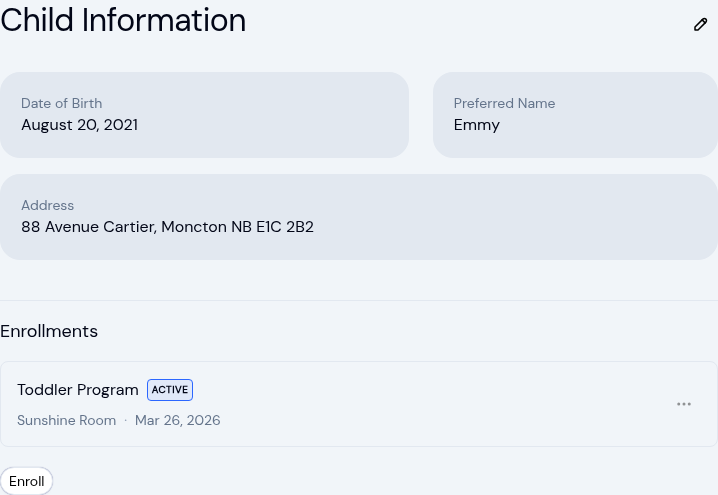
New: A Child's Address and Health Care Provider
The child record now holds the child's own address and their health care provider. Both show on the profile, in Health...
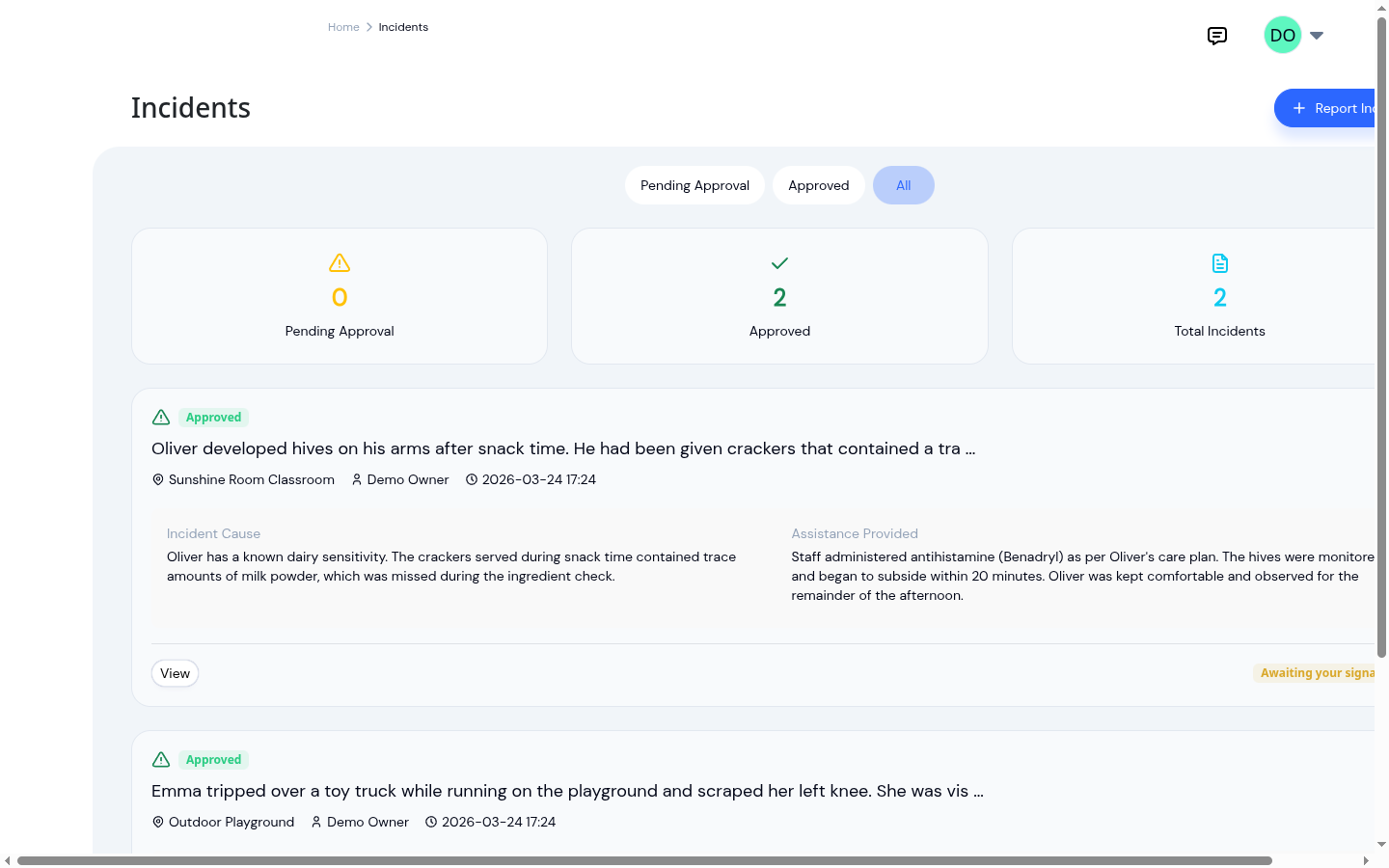
Sorting your incident log by type and severity
A scraped knee and a reportable reaction look identical in most logs. Sorting by type and severity makes a flat record...