Childproofing Your Childcare Center
Child safety in childcare centers extends far beyond basic outlet covers and cabinet locks. With heightened awareness of childhood injuries and strict liability standards, comprehensive safety planning has become both a moral imperative and a business necessity. Every year, approximately 200,000 children under age 14 are treated in emergency rooms for playground-related injuries alone, with childcare facilities accounting for a significant portion of these incidents.
Modern childcare safety requires a systematic, age-appropriate approach that anticipates how children at different developmental stages interact with their environment. Childproofing is one part of the broader health and safety standards every childcare center must follow. This comprehensive guide provides evidence-based strategies, compliance frameworks, and practical implementation tools to create the safest possible environment for every child in your care.
Understanding Child Development and Risk Assessment
Age-Specific Safety Considerations
Infants (0-12 months) Infants are immobile but vulnerable to environmental hazards:
- Suffocation risks: Loose bedding, small objects, improper positioning
- Falls: From changing tables, carriers, and caregivers' arms
- Temperature regulation: Overheating and hypothermia concerns
- Chemical exposure: Cleaning products, hand sanitizers, diaper cream
- Choking hazards: Small objects left within reach by older children
Toddlers (1-3 years) Maximum mobility with minimal judgment creates unique challenges:
- Climbing hazards: Furniture, shelving, playground equipment
- Electrical dangers: Outlets, cords, small appliances
- Water safety: Sinks, toilets, water tables, outdoor puddles
- Chemical ingestion: Cleaning supplies, hand sanitizer, craft materials
- Sharp edges: Furniture corners, broken toys, scissors
Preschoolers (3-5 years) Increased independence with developing safety awareness:
- Playground injuries: Falls from height, equipment entrapment
- Tool and craft safety: Scissors, staplers, art supplies
- Food safety: Choking on small foods, allergic reactions
- Stranger danger: Understanding appropriate boundaries
- Fire safety: Hot surfaces, candles, emergency procedures
School-age (5+ years) Complex safety needs requiring rule-based systems:
- Sports and recreation injuries: Organized games, competitive activities
- Technology safety: Internet use, device handling
- Advanced tool use: Science experiments, cooking activities
- Peer conflict: Physical altercations, bullying prevention
- Independent mobility: Walking to bathrooms, outdoor areas
Comprehensive Room-by-Room Safety Assessment
Infant Rooms
Sleep Area Safety
- Cribs compliance: Meet current CPSC standards (slat spacing 2⅜ inches or less)
- Mattress fit: No gaps larger than two fingers between mattress and crib sides
- Sleep positioning: Always place infants on their backs to sleep
- Temperature control: Maintain 68-70°F with good air circulation
- Bedding elimination: No blankets, pillows, bumpers, or stuffed animals
Diaper Changing Stations
- Fall prevention: Safety straps and 6-inch guardrails on all sides
- Sanitation stations: Hand sanitizer and disinfectant within arm's reach
- Storage security: Diapers, wipes, and cream in secured but accessible locations
- Disposal systems: Hands-free diaper disposal with tight-fitting lids
- Emergency supplies: First aid kit visible and easily accessible
Feeding Areas
- High chair safety: 5-point harnesses and stable bases
- Choking prevention: No small objects within 6-foot radius
- Temperature testing: Thermometers for formula and food temperature
- Allergy protocols: Separate preparation areas for different dietary needs — our guide on managing illness in childcare covers allergy management and health screening in depth
- Cleaning stations: Sanitizing solutions and clean-up supplies readily available
Toddler Rooms
Furniture and Equipment
- Tip-over prevention: Secure all furniture taller than 30 inches to walls
- Corner protection: Rounded corners or protective padding on all furniture
- Cabinet security: Child-resistant latches on all storage areas
- Window safety: Stops to prevent opening more than 4 inches, cord management
- Door knob covers: Prevent access to restricted areas
Electrical Safety
- Outlet protection: Sliding plate covers or outlet plugs on all unused outlets
- Cord management: All electrical cords 3 feet above floor or secured in cord protectors
- GFCI protection: Ground fault circuit interrupters in all wet areas
- Appliance security: Small appliances unplugged and stored when not supervised
- Extension cord elimination: Permanent electrical solutions for all regular needs
Toy and Material Storage
- Choking hazard elimination: Use choke tube tester for all toys (1.25" diameter)
- Toxic material removal: Lead-free, non-toxic labels on all toys and materials
- Sharp edge inspection: Regular checks for broken toys and immediate removal
- Heavy object placement: All items over 5 pounds below 4-foot height
- Small parts storage: Secure containers with child-resistant closures
Preschool Classrooms
Activity Centers
- Art station safety: Non-toxic materials, supervised tool use, ventilation
- Science area: Secure storage for all materials, safety equipment available
- Dramatic play: Inspect costumes and props for hazards, size-appropriate items
- Block area: Stable storage, weight limits posted, soft flooring underneath
- Reading corner: Secured bookshelves, appropriate lighting, clear pathways
Learning Materials
- Age-appropriate sizing: No items smaller than 1.25 inches for children under 3
- Material testing: Regular inspection for wear, breakage, and safety
- Chemical safety: MSDS sheets for all art supplies, proper storage
- Tool management: Supervised use policies for scissors, staplers, hole punches
- Technology safety: Secure mounting, cord management, supervised use only
Kitchen and Food Service Areas
Food Preparation Safety
- Temperature control: Refrigeration at 40°F or below, freezer at 0°F
- Hot surface protection: Guards around stoves, ovens, and hot appliances
- Sharp tool security: Knife blocks, locked drawers for all sharp implements
- Chemical storage: Food-safe cleaning products in locked, labeled cabinets
- Cross-contamination prevention: Separate cutting boards, utensils, and prep areas
Serving and Eating Areas
- Choking prevention: Age-appropriate food cutting and preparation guidelines
- Allergy management: Separate preparation and serving areas for allergen-free meals
- Burns prevention: Temperature testing for all hot foods and beverages
- Spill management: Non-slip mats, immediate cleanup protocols
- Sanitization: Food-safe cleaning solutions, proper dishwashing procedures — for comprehensive sanitation protocols, see our guide on essential health and safety protocols for childcare centers
Outdoor Safety and Playground Management
Playground Equipment Safety
Age-Appropriate Design
- Separate play areas: Different zones for different age groups
- Height restrictions: Maximum 4 feet for ages 2-5, 6 feet for ages 5-12
- Fall zone calculations: Use zones extending 6 feet in all directions from equipment
- Surface materials: Impact-absorbing materials (rubber, wood chips) 12 inches deep
- Drainage systems: Proper water management to prevent pooling and ice
Equipment Inspection Protocols
- Daily visual checks: Staff inspection before children use equipment
- Weekly detailed inspection: Documented check of all components
- Monthly maintenance: Professional assessment and repair schedule
- Annual safety audit: Certified playground safety inspector evaluation
- Weather damage assessment: Post-storm inspections and immediate hazard removal
Playground Boundaries and Supervision
- Perimeter security: Fencing with self-closing, self-latching gates
- Sight line management: Clear visibility to all play areas from supervision points
- Supervision ratios: Maintain required adult-to-child ratios for outdoor play
- Emergency access: Clear pathways for emergency vehicles and personnel
- Weather monitoring: Heat index, air quality, and severe weather protocols
Garden and Natural Areas
Plant Safety
- Toxic plant removal: Comprehensive identification and elimination of poisonous plants
- Allergy considerations: Awareness of plants that may trigger reactions
- Maintenance schedules: Regular pruning, weeding, and hazard removal
- Tool storage: Secure storage for all gardening tools and equipment
- Chemical-free maintenance: Organic approaches to pest and weed control
Water Features and Drainage
- Standing water elimination: Daily inspection and removal of water accumulation
- Pond and fountain safety: Barriers or elimination of deep water features
- Irrigation system safety: Covered sprinkler heads, timer controls out of reach
- Storm water management: Proper drainage to prevent flooding and slippery areas
- Ice prevention: Salt alternatives safe for children and plants
Emergency Preparedness and Response Systems
Fire Safety and Evacuation
Detection and Suppression Systems
- Smoke detector placement: Units in every room, tested monthly
- Fire extinguisher accessibility: Appropriate types, regular inspection, staff training
- Sprinkler system maintenance: Professional inspection and testing
- Emergency lighting: Battery backup systems for power outages
- Exit sign visibility: Illuminated, unobstructed, at appropriate heights
Evacuation Procedures
- Multiple exit routes: Two ways out of every room, clearly marked
- Assembly areas: Designated safe meeting points away from buildings
- Communication systems: Methods to account for all children and staff
- Special needs planning: Procedures for children with mobility limitations
- Drill schedules: Monthly fire drills with documentation and improvement notes
Staff Training Requirements
- Emergency response roles: Clear assignments for each staff member
- Fire extinguisher use: Hands-on training with different extinguisher types
- Evacuation assistance: Techniques for helping children move quickly and safely
- Communication protocols: Emergency contact procedures and notification systems
- Documentation requirements: Incident reporting and follow-up procedures
Medical Emergency Preparedness
First Aid and Medical Supplies
- Comprehensive first aid kits: Stocked according to state licensing requirements
- AED accessibility: Automated external defibrillators with trained operators
- Emergency medications: EpiPens, inhalers, and other prescribed medications
- Communication devices: Direct lines to emergency services
- Medical information: Current health forms and emergency contacts for all children
Staff Medical Training
- CPR certification: Current certification for all staff members
- First aid training: Pediatric-specific emergency response techniques
- Medication administration: Proper procedures for dispensing prescribed medications
- Allergy response: Recognition and treatment of allergic reactions
- Documentation training: Proper incident reporting and medical record keeping
Severe Weather Protocols
Weather Monitoring Systems
- Weather alerts: Automatic notifications for severe weather warnings
- Safe areas identification: Interior rooms away from windows and potential hazards
- Shelter supplies: Emergency food, water, and supplies for extended shelter periods
- Communication backup: Battery-powered radios and backup communication methods
- Transportation protocols: Procedures for children who cannot be picked up
Disaster-Specific Procedures
- Tornado response: Immediate shelter procedures and protective positioning
- Earthquake protocols: Drop, cover, and hold procedures appropriate for different ages
- Flood preparation: Evacuation routes and higher ground assembly areas
- Power outage management: Emergency lighting, heating/cooling alternatives
- Chemical spill response: Evacuation and contamination prevention procedures
Technology and Security Systems
Access Control and Monitoring
Entry and Exit Security
- Keypad entry systems: Codes changed regularly, visitor management protocols
- Video monitoring: Cameras at all entrances, playgrounds, and common areas
- Visitor management: Sign-in procedures, identification verification, escort policies
- Pick-up authorization: Photo identification and authorized picker systems
- Emergency access: Override systems for emergency personnel
Digital Safety and Privacy
- Camera placement: Appropriate monitoring without invading privacy
- Data security: Encrypted storage and transmission of video and personal data
- Access logs: Documentation of who enters and exits the facility
- Privacy policies: Clear guidelines for video use and sharing
- Cybersecurity: Protected networks and secure data management
Communication and Alert Systems
Internal Communication
- Two-way radios: Instant communication between staff members
- Intercom systems: Announcements and emergency communications
- Mobile apps: Real-time updates and alerts to staff and parents
- Backup systems: Alternative communication methods during outages
- Privacy protection: Secure channels for sensitive information
Parent and Emergency Communications
- Automated notification systems: Mass communication for emergencies or closures
- Real-time updates: Daily photos, activities, and incident reports
- Emergency contact verification: Regular updates and multiple contact methods
- Language accessibility: Communications in families' primary languages
- Documentation systems: Digital records of all communications
Staff Training and Safety Culture
Comprehensive Safety Training Programs
New Employee Orientation
- Facility tour: Identification of all safety features and emergency equipment
- Policy review: Comprehensive understanding of safety protocols and procedures
- Hands-on training: Practice with equipment, emergency procedures, and systems
- Competency testing: Demonstration of safety knowledge and skills
- Mentorship pairing: Experienced staff guidance during initial period
Ongoing Professional Development
- Monthly safety meetings: Review of incidents, new procedures, and reminders
- Annual training updates: Refresher courses on emergency procedures and safety protocols
- Specialized training: Age-specific safety, special needs, and advanced first aid
- External training opportunities: Workshops, conferences, and certification programs
- Cross-training programs: Backup knowledge for all safety-critical positions
Creating a Safety-First Culture
Leadership and Accountability
- Administrative commitment: Visible support and resource allocation for safety programs
- Safety committee: Staff involvement in safety planning and problem-solving
- Regular communication: Safety reminders, updates, and recognition
- Incident analysis: Learning from near-misses and accidents to prevent recurrence
- Continuous improvement: Regular updates and enhancements to safety procedures
Staff Empowerment and Responsibility
- Reporting systems: Easy, non-punitive ways to report safety concerns
- Stop-work authority: Empowerment to halt unsafe activities immediately
- Safety suggestions: Formal process for staff improvement recommendations
- Recognition programs: Acknowledgment of proactive safety behaviors
- Team accountability: Mutual responsibility for maintaining safety standards
Legal Compliance and Documentation
Licensing and Regulatory Requirements
State Licensing Standards
- Facility requirements: Building codes, fire safety, and health department standards
- Supervision ratios: Appropriate adult-to-child ratios for different age groups
- Background checks: Staff screening and ongoing monitoring requirements
- Training mandates: Required safety and emergency response training
- Documentation standards: Record keeping and reporting requirements
Federal Safety Regulations
- ADA compliance: Accessibility requirements for children and staff with disabilities
- OSHA standards: Workplace safety requirements for childcare employees
- Consumer Product Safety: Toy and equipment safety standards and recalls
- Food safety regulations: HACCP principles and safe food handling
- Transportation safety: Vehicle standards and child restraint requirements
Risk Management and Insurance
Liability Protection
- Comprehensive insurance: General liability, professional liability, and property coverage
- Documentation practices: Thorough incident reporting and follow-up
- Waiver and release forms: Appropriate legal protections for activities and field trips
- Regular legal review: Annual assessment of policies and procedures
- Risk assessment: Ongoing evaluation of potential hazards and mitigation strategies
Incident Response and Documentation
- Immediate response: First aid, emergency services, and parent notification
- Detailed documentation: Comprehensive incident reports with witness statements
- Follow-up procedures: Medical monitoring, family communication, and prevention planning
- Legal consultation: When to involve attorneys and insurance companies
- Continuous improvement: Using incidents to strengthen safety measures
Cost-Effective Safety Implementation
Budget-Friendly Safety Improvements
High-Impact, Low-Cost Measures
- Staff training programs: Internal expertise development and knowledge sharing
- Policy development: Clear procedures and communication systems
- Regular inspections: Systematic identification and correction of hazards
- Maintenance schedules: Preventive care extending equipment life and safety
- Parent education: Involving families in safety awareness and practice
Prioritizing Safety Investments
- Life safety systems: Fire, medical emergency, and severe weather protection
- Injury prevention: Fall protection, sharp edge elimination, and hazard removal
- Security systems: Access control and monitoring systems
- Equipment upgrades: Age-appropriate, safe toys and learning materials
- Technology enhancements: Communication and documentation systems
Grant Funding and Financial Resources
Safety Grant Opportunities
- Government programs: Federal and state grants for childcare facility improvements
- Foundation funding: Private foundations supporting child safety initiatives
- Community partnerships: Local businesses and organizations supporting safety projects
- Parent fundraising: Family involvement in safety enhancement projects
- Equipment donations: Community contributions of safety equipment and materials
Return on Investment
- Insurance premium reductions: Lower rates for comprehensive safety programs
- Liability protection: Reduced risk of accidents and associated costs
- Enrollment increases: Parent preference for demonstrably safe facilities
- Staff retention: Better working conditions supporting employee satisfaction
- Regulatory compliance: Avoiding fines and license issues
Measuring Safety Effectiveness
Key Performance Indicators
Quantitative Metrics
- Incident rates: Number and severity of injuries per child enrollment
- Near-miss reporting: Proactive identification of potential hazards
- Training completion: Staff participation in safety training programs
- Inspection results: State licensing and internal safety audits
- Emergency drill performance: Response times and procedure compliance
Qualitative Assessments
- Parent satisfaction: Surveys about safety perceptions and confidence
- Staff feedback: Employee input on safety culture and procedures
- External reviews: Professional safety audits and recommendations
- Community reputation: Recognition as a safety-focused childcare provider
- Insurance evaluations: Carrier assessments of safety programs
Continuous Improvement Process
Regular Review and Updates
- Monthly safety meetings: Staff discussion of incidents, concerns, and improvements
- Quarterly policy review: Updates based on new regulations, incidents, and best practices
- Annual safety audit: Comprehensive assessment of all safety systems and procedures
- Bi-annual training refresh: Updated emergency procedures and safety techniques
- Ongoing communication: Parent and community engagement in safety initiatives
Key Takeaways for Immediate Implementation
- Start with assessment: Conduct room-by-room safety audits identifying specific hazards for each age group
- Prioritize life safety: Focus first on fire, medical emergency, and severe weather preparedness
- Train comprehensively: Ensure all staff understand both daily safety practices and emergency procedures
- Document everything: Maintain detailed records of inspections, training, incidents, and improvements
- Involve everyone: Create a safety culture where staff, parents, and children actively participate
- Plan for emergencies: Develop, practice, and regularly update comprehensive emergency response procedures
- Stay current: Keep up with changing regulations, safety standards, and best practices
- Invest strategically: Balance immediate safety needs with long-term improvement planning
- Communicate clearly: Keep all stakeholders informed about safety policies and procedures
- Continuously improve: Regular review and enhancement of safety measures based on experience and feedback
Remember, effective childcare safety goes beyond compliance—it creates an environment where children can explore, learn, and grow while being protected from harm. The goal is not to eliminate all risks, but to provide appropriate safety measures that allow children to develop independence and confidence within secure boundaries.
The investment in comprehensive safety measures pays dividends in reduced liability, increased parent confidence, better staff morale, and most importantly, the well-being of every child in your care.
Ready to enhance your safety documentation and streamline incident reporting? Try KidzLog today and discover how digital tools can help you maintain comprehensive safety records while focusing on what matters most—keeping children safe!
Ready to Simplify and Organize your Daycare?
Get started with KidzLog today!
KidzLog Team
Related Articles

September Update: Incident Reports and Records
Reopen and correct an approved incident report, choose when parents get the email, send families a note on declined...
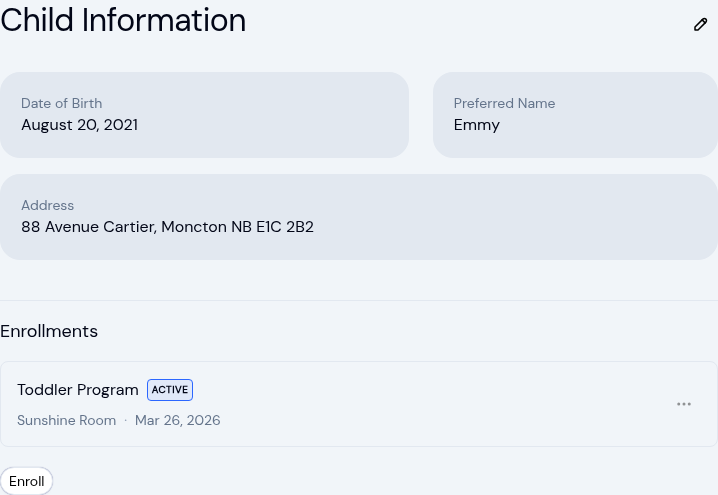
New: A Child's Address and Health Care Provider
The child record now holds the child's own address and their health care provider. Both show on the profile, in Health...
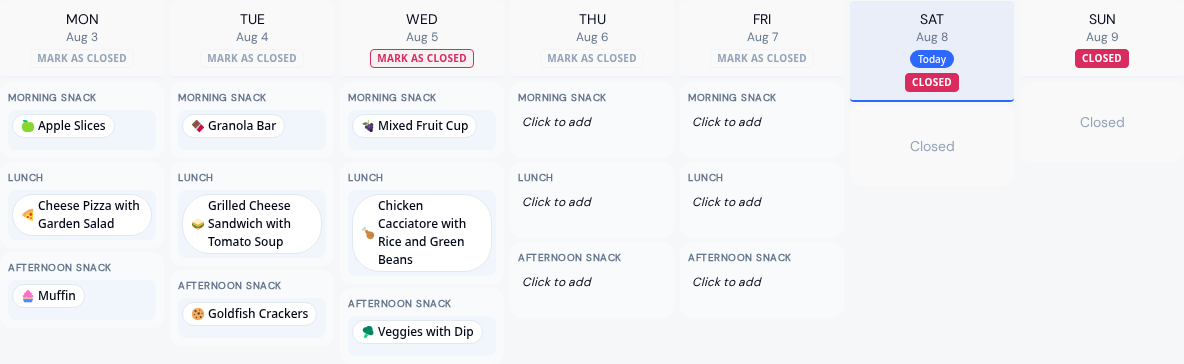
Menus by Room and Clearer Allergy Alerts
Run an infant menu alongside a center-wide one, plan a whole month before saving it, email families when it is ready,...