5 Ways to Attract Childcare Staff
The childcare industry faces an unprecedented staffing crisis, with turnover rates exceeding 40% annually and qualified educators increasingly difficult to find. Recent studies show that 80% of childcare centers report struggling to maintain adequate staffing levels, directly impacting the quality of care and forcing many centers to limit enrollment or reduce operating hours.
Yet some childcare centers consistently attract and retain exceptional educators. What sets them apart isn't just higher wages—though competitive compensation matters—but a comprehensive approach to valuing and supporting their staff. This guide provides five proven strategies that successful centers use to become employers of choice in the competitive childcare labor market.
Understanding the Childcare Staffing Landscape
Before implementing recruitment strategies, it's essential to understand the current challenges facing the industry:
Current Market Realities
- Wage competition: Retail and hospitality sectors now offer comparable or higher wages with less demanding work
- Credential requirements: Increasing education requirements without corresponding compensation increases
- Work-life balance: Traditional childcare hours conflict with educators' own family needs
- Professional recognition: Persistent undervaluation of early childhood education as a profession
- Economic pressures: Rising living costs outpacing childcare worker wage growth
What Today's Childcare Professionals Want
Recent workforce surveys reveal that modern childcare professionals prioritize:
- Respect and recognition for their professional expertise
- Living wages that reflect their education and responsibilities
- Work-life balance including flexible scheduling options
- Career advancement opportunities within the field
- Supportive leadership that values their input and wellbeing
- Professional development that enhances their skills and credentials
Strategy 1: Competitive Compensation and Creative Benefits Packages
Beyond Basic Wages
While you may face budget constraints, creative compensation strategies can make your center more attractive:
Tiered Pay Structures
- Base pay aligned with local cost of living (minimum 15-20% above retail wages)
- Experience increments ($0.50-$1.00 per year of relevant experience)
- Education bonuses ($1-3/hour for degrees and certifications)
- Performance incentives based on classroom quality assessments
- Longevity bonuses that increase with tenure
Creative Benefit Solutions
- Childcare discounts: 50-100% tuition reduction for staff children
- Flexible spending accounts: Pre-tax dollars for healthcare and dependent care
- Professional development stipends: $500-1500 annually for continuing education
- Mental health support: Employee assistance programs or counseling benefits
- Paid planning time: 2-4 hours weekly for curriculum development
- Wellness benefits: Gym memberships, wellness apps, or on-site yoga
Implementation Guide for Small Centers
- Conduct a compensation audit: Compare your wages to local competitors and cost of living
- Survey staff priorities: Understand which benefits matter most to your team
- Calculate true costs: Factor in reduced turnover costs when budgeting for raises
- Phase implementation: Start with highest-impact, lowest-cost benefits
- Communicate value: Ensure staff understand their total compensation package
Budget-Friendly Benefit Ideas
- Partner with local businesses for employee discounts
- Organize staff appreciation events using parent donations
- Offer flexible scheduling in lieu of higher wages
- Provide free meals during shifts using center food supplies
- Create peer recognition programs with minimal cost
Strategy 2: Building a Magnetic Workplace Culture
Creating an Environment Where Educators Thrive
Building a workplace culture that educators love is one of the most effective ways to stand out. For a deeper dive, see our guide on how to create a positive work environment to retain your best childcare staff.
Professional Respect and Autonomy Give teachers ownership over their classrooms while providing support:
- Curriculum freedom: Allow teachers to adapt programs to their strengths
- Decision-making input: Include staff in center policies and procedures
- Resource allocation: Provide classroom budgets teachers control
- Schedule flexibility: Accommodate personal needs when possible
- Open communication: Regular forums for feedback and suggestions
Team Building and Connection Foster genuine relationships among staff:
- Mentorship programs: Pair experienced teachers with newcomers
- Team planning days: Paid time for collaborative curriculum development
- Social committees: Staff-led groups organizing celebrations and outings
- Cross-classroom collaboration: Encourage sharing of ideas and resources
- Conflict resolution systems: Clear processes for addressing concerns
Implementation Strategies
- Start with listening: Conduct stay interviews to understand what keeps good employees
- Address pain points: Fix irritating issues that make daily work harder
- Celebrate regularly: Acknowledge achievements both big and small
- Model values: Ensure leadership demonstrates the culture you want
- Measure culture: Regular surveys to track employee satisfaction
Low-Cost Culture Builders
- "Shout-out" boards for peer recognition
- Monthly potluck lunches with no agenda
- Rotating "teacher of the week" parking spots
- Birthday and anniversary celebrations
- Flexible dress code days
Strategy 3: Professional Development as a Recruitment Tool
Investing in Growth Attracts Growth-Minded Educators
Comprehensive Training Programs
- Onboarding excellence: 40-80 hour paid training for new hires
- Continuing education: Monthly workshops on relevant topics
- Conference attendance: Support for state and national conferences
- Certification support: Time and funding for CDA, degree programs
- Leadership development: Pathways to advancement within your center
Career Pathway Development Create clear advancement opportunities:
Entry Level → Lead Teacher
- Shadow experienced teachers (3-6 months)
- Complete specific training modules
- Demonstrate classroom management skills
- Receive performance-based raises
Lead Teacher → Mentor Teacher
- Train in coaching and mentorship
- Support new teacher development
- Additional compensation for mentoring
- Reduced classroom ratios
Mentor Teacher → Assistant Director
- Administrative training and experience
- Budget and scheduling responsibilities
- Parent communication leadership
- Significant salary increase
Making Professional Development Affordable
- Partner with local colleges: Arrange group rates or on-site classes
- Online learning platforms: Subscriptions to professional development sites
- Internal expertise: Have experienced staff lead training sessions
- Grant funding: Apply for workforce development grants
- Tax credits: Utilize education tax benefits for your center
Return on Investment
- Reduced recruitment costs (average saving: $3,000-5,000 per position)
- Decreased turnover (typically 20-30% reduction) — learn more in our guide to reducing turnover in childcare
- Improved program quality and parent satisfaction
- Enhanced center reputation attracting better candidates
Strategy 4: Modern Recruitment and Hiring Practices
Meeting Candidates Where They Are
Digital-First Recruitment Today's candidates expect modern hiring processes:
Online Presence Optimization
- Google My Business: Maintain accurate information and respond to reviews
- Social media recruitment: Regular posts on Facebook, Instagram, LinkedIn
- Video job previews: Short videos showing your center's culture
- Virtual tours: Allow candidates to explore before applying
- Mobile-friendly applications: Easy apply options from smartphones
Strategic Posting Locations
- Indeed and ZipRecruiter: Include salary ranges for better visibility
- Childcare-specific boards: Care.com, Tried and True, local ECE groups
- College job boards: Partner with early childhood programs
- Community boards: Libraries, community centers, parent groups
- Professional networks: State AEYC chapters, ECE Facebook groups
Streamlined Hiring Process
Week 1: Application to First Contact
- Acknowledge applications within 24 hours
- Phone screen within 3 days
- Schedule in-person interviews quickly
Week 2: Interview and Observation
- Structured interviews with consistent questions
- Classroom observations (paid 2-4 hours)
- Team member meet-and-greets
- Reference checks started
Week 3: Decision and Onboarding
- Make offers within 48 hours of final interview
- Provide clear start date and expectations
- Begin paperwork and background checks
- Assign mentor for first day
Red Flags That Drive Candidates Away
- No salary information in job postings
- Weeks between application and contact
- Disorganized or disrespectful interviews
- No opportunity to see the center
- Unclear about schedule or expectations
Strategy 5: Strategic Partnerships and Pipeline Building
Creating Sustainable Talent Sources
Educational Institution Partnerships
High School Programs
- Career exploration days: Host students interested in education
- Senior projects: Sponsor childcare-related research projects
- Work-study programs: Part-time positions for students
- Future Teacher clubs: Regular engagement and mentorship
- Dual credit opportunities: Partner for early childhood courses
Community College Connections
- Practicum sites: Host student teachers regularly
- Adjunct teaching: Have your directors teach courses
- Advisory boards: Participate in program development
- Scholarship programs: Fund students in exchange for work commitments
- Job fairs: Regular presence at campus recruiting events
University Relationships
- Internship programs: Semester-long paid positions
- Research partnerships: Participate in early childhood studies
- Graduate assistantships: Advanced students supporting your program
- Alumni networks: Connect with recent graduates
Community Pipeline Development
Parent-to-Professional Programs Some of your best future employees are current parents:
- Offer substitute positions to interested parents
- Provide pathways to obtain credentials
- Flexible scheduling around their children
- Tuition benefits for their continued education
Career Changer Initiatives Attract professionals from other fields:
- "Second career" campaigns: Target those seeking meaningful work
- Transferable skills focus: Highlight how other experiences apply
- Accelerated training: Fast-track programs for experienced professionals
- Mentorship support: Extra guidance during transition
Return-to-Work Programs Welcome back educators who left the field:
- Refresher training: Update on current best practices
- Flexible re-entry: Part-time or substitute to full-time pathways
- Address previous pain points: Understand why they left
- Competitive packages: Recognize their valuable experience
Implementation Planning: Making It Happen
Phase 1: Foundation (Month 1-2)
- Assess current state: Survey staff, analyze turnover, benchmark compensation
- Set priorities: Choose 2-3 strategies to focus on first
- Budget planning: Identify funding sources and reallocation opportunities
- Team buy-in: Engage current staff in recruitment planning
Phase 2: Quick Wins (Month 2-3)
- Update online presence: Improve website and job postings
- Launch referral program: Incentivize current staff recommendations
- Enhance benefits: Implement low-cost, high-impact benefits
- Streamline hiring: Reduce time from application to offer
Phase 3: Systematic Changes (Month 3-6)
- Compensation adjustments: Implement phased wage increases
- Culture initiatives: Launch team building and recognition programs
- Partnership development: Establish educational institution relationships
- Professional development: Create career pathway documentation
Phase 4: Long-term Sustainability (Month 6+)
- Measure results: Track recruitment and retention metrics
- Adjust strategies: Refine based on what's working
- Build reputation: Become known as an employer of choice
- Share success: Help other centers improve the profession
Measuring Success: Key Performance Indicators
Recruitment Metrics
- Application volume: 20-30% increase within 6 months
- Quality of candidates: Higher percentage meeting minimum qualifications
- Time to fill: Reduction from 30+ days to under 21 days
- Acceptance rate: 80%+ of offers accepted
- Cost per hire: Decrease through reduced advertising needs
Retention Indicators
- 90-day retention: 85%+ of new hires staying past probation
- Annual turnover: Reduction to under 25% (from 40%+ average)
- Internal promotions: 50%+ of leadership positions filled internally
- Employee satisfaction: 4.0+ on 5-point scale in surveys
- Referral rate: 30%+ of new hires from employee referrals
Quality Outcomes
- Classroom continuity: Consistent caregivers for children
- Parent satisfaction: Improved ratings and retention
- Program quality: Higher assessment scores
- Enrollment stability: Reduced losses due to staffing issues
- Financial health: Lower recruitment and training costs
Common Challenges and Solutions
"We Can't Afford Higher Wages"
- Solution: Start with non-monetary benefits and phased increases
- Calculate turnover costs to justify investment
- Apply for workforce development grants
- Increase tuition strategically with parent communication
- Reduce other expenses through efficiency improvements
"No One Applies to Our Postings"
- Solution: Audit your online presence and job descriptions
- Include salary ranges and highlight benefits
- Post in new locations and communities
- Use employee networks and referrals
- Consider remote recruitment for specialized roles
"Good Candidates Choose Other Centers"
- Solution: Speed up your hiring process
- Improve interview experience and center tour
- Make competitive offers quickly
- Highlight growth opportunities
- Follow up with candidates who decline
"High Schools and Colleges Won't Partner"
- Solution: Start small with single classroom visits
- Offer value through guest speaking opportunities
- Connect with individual instructors first
- Provide data on job opportunities
- Be persistent and build relationships over time
Looking Ahead: The Future of Childcare Recruitment
As we progress through 2025 and beyond, successful childcare recruitment will require:
Emerging Trends
- Technology integration: Using HR software for efficient hiring
- Remote work options: Administrative and curriculum planning from home
- Four-day work weeks: Compressed schedules for work-life balance
- Apprenticeship models: Paid training programs with job guarantees
- Shared services alliances: Centers pooling resources for benefits
Preparing for Tomorrow
- Build your center's reputation as an employer today
- Invest in current staff to create recruitment ambassadors
- Document and share your successful practices
- Advocate for systemic change in the profession
- Collaborate with other centers to elevate the field
Key Takeaways for Immediate Action
- Start with culture: A positive workplace attracts talent naturally
- Communicate total value: Help candidates understand full compensation
- Speed matters: Fast, respectful hiring processes win candidates
- Invest in current staff: They're your best recruitment tool
- Think long-term: Build pipelines for sustainable staffing
- Measure and adjust: Track what works for your center
- Collaborate: Work with other centers to improve the profession
- Stay visible: Maintain active online and community presence
- Value professionals: Treat educators with the respect they deserve
- Never stop improving: Continuously enhance your employment offering
Remember, attracting top talent isn't about implementing all strategies at once—it's about consistently improving your center as a workplace. Start with one or two strategies, measure results, and build from there. The centers that thrive in a challenging labor market will be those that genuinely value their educators and demonstrate that value through actions, not just words.
Ready to streamline your staff management and create more time for what matters—supporting your amazing educators? Try KidzLog today and discover how the right tools can help you build a workplace where teachers thrive!
Ready to Simplify and Organize your Daycare?
Get started with KidzLog today!
KidzLog Team
Related Articles
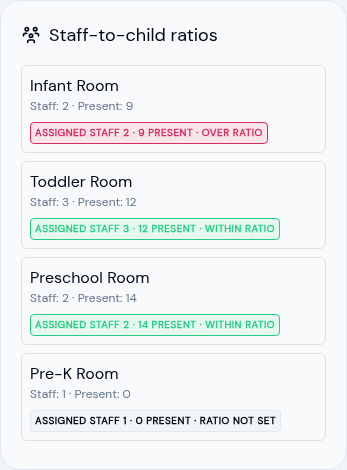
Staff-to-Child Ratios: A Practical Guide
What staff-to-child ratios require, why licensors check them, and a simple daily routine for staying within ratio...
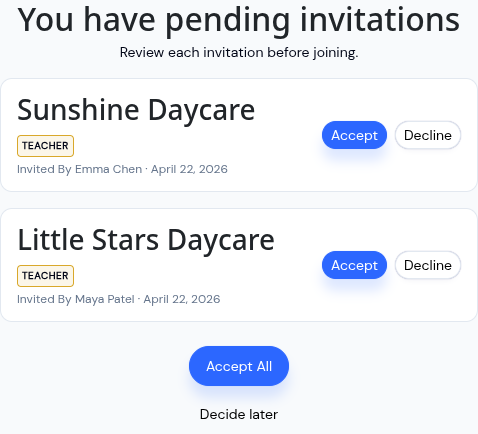
Invitations Now Ask Before They Auto-Join You
Pending center invitations now appear on a review screen after you log in. Accept, decline, or defer, so nobody is...
Reducing Turnover in Childcare
What centers with low turnover do differently: retention strategies, the real cost of replacing an educator, and where...