Compensation That Retains Childcare Workers
The childcare industry faces an unprecedented compensation crisis. With average turnover rates exceeding 40% annually and entry-level retail positions now paying comparable or higher wages than many childcare roles, center directors must get creative with compensation strategies. Compensation is just one piece of the puzzle — it works best alongside effective recruitment strategies that position your center as an employer of choice. However, the solution isn't just about raising base wages—though that's important—it's about understanding what childcare professionals truly value and building comprehensive packages that address their unique needs.
Recent workforce research reveals that while childcare workers want fair wages, they're often more motivated by benefits that acknowledge their professionalism, support their wellbeing, and provide long-term security. This comprehensive guide examines what benefits matter most to childcare workers, provides practical implementation strategies for centers of all sizes, and offers creative solutions for budget-conscious employers.
Understanding the Childcare Compensation Landscape
Current Market Realities
The childcare compensation landscape has shifted dramatically:
Wage Competition from Other Sectors
- Retail giants now offer $15-18/hour starting wages
- Fast-food chains provide immediate hiring bonuses
- Warehouse and delivery jobs pay $16-20/hour with overtime
- Customer service roles offer remote work flexibility
- These sectors often require less emotional labor and have simpler responsibilities
Rising Cost of Living Pressures
- Housing costs have increased 30-40% in many markets since 2020
- Healthcare premiums continue rising annually
- Transportation and childcare costs for workers' own families
- Student loan payments resuming for many educators
- General inflation affecting daily expenses
Professional Recognition Gap
- Childcare workers often have college degrees but are paid like entry-level workers
- Public perception doesn't match the skill level required
- Limited career advancement opportunities within the field
- Emotional and physical demands not reflected in compensation
- Required continuing education costs often not supported
What Research Reveals About Childcare Worker Priorities
2025 National Childcare Worker Survey Findings:
- Work-life balance - 89% cited as most important factor
- Health benefits - 86% consider essential
- Professional respect - 84% want recognition of expertise
- Job security - 82% prioritize stable employment
- Growth opportunities - 79% want advancement paths
- Fair wages - 76% (important but not the top priority)
- Retirement benefits - 71% consider for long-term planning
- Paid time off - 69% essential for wellbeing
Demographic Differences in Priorities:
- Under 30: Flexibility, growth opportunities, student loan support
- 30-45: Health benefits, childcare discounts, family-friendly policies
- 45+: Retirement planning, health coverage, job security
- Parents: Childcare benefits, flexible scheduling, family leave
- Non-parents: Professional development, travel opportunities, wellness programs
Core Components of Competitive Compensation
Foundation: Base Wage Strategies
Living Wage Calculation Start with your local living wage, not minimum wage:
- Research MIT Living Wage Calculator for your area
- Add 10-15% premium for specialized skills
- Consider regional cost of living adjustments
- Account for the emotional and physical demands
Tiered Pay Structure Implementation
Entry Level (0-1 years experience)
├── Assistant Teacher: Living wage + $1-2/hour
├── Float Teacher: Living wage + $1.50-2.50/hour
└── Benefits: Full package after 90 days

Experienced (2-5 years)
├── Lead Teacher: Living wage + $3-5/hour
├── Senior Teacher: Living wage + $4-6/hour
└── Benefits: Enhanced package with additional PTO

Advanced (5+ years)
├── Master Teacher: Living wage + $6-8/hour
├── Curriculum Specialist: Living wage + $7-9/hour
└── Benefits: Leadership development, sabbatical options
Performance-Based Increases
- Annual cost-of-living adjustments (minimum 3%)
- Skills-based raises for completed certifications
- Quality assessment bonuses for exceptional ratings
- Longevity increases every 2-3 years
- Merit increases based on professional growth
Essential Benefits Package
Health and Wellness Benefits
Health Insurance (86% consider essential)
- Employer-paid premiums for individual coverage
- Family coverage contribution (50-80% employer paid)
- Low-deductible options prioritized over high-deductible
- Mental health coverage including therapy and counseling
- Preventive care coverage at 100%
Wellness Support Programs
- Wellness stipend: $500-1000 annually for:
- Gym memberships or fitness classes
- Mental health counseling sessions
- Massage therapy or spa treatments
- Nutrition counseling or meal delivery
- Stress management programs
Employee Assistance Programs
- 24/7 mental health hotline
- Free counseling sessions (6-8 annually)
- Financial planning and debt counseling
- Legal consultation services
- Work-life balance coaching
Time Off and Flexibility Benefits
Comprehensive PTO Structure
- Vacation time: 15-20 days annually (increases with tenure)
- Sick leave: 10-12 days (separate from vacation)
- Personal days: 3-5 days for appointments or personal needs
- Mental health days: 2-3 additional days specifically for wellness
- Bereavement leave: 5 days for immediate family, 3 for extended family
Family-Friendly Policies
- Parental leave: 6-12 weeks paid leave for new parents
- Family emergency time: Flexible time for family crises
- School event accommodation: Time off for employees' children's activities
- Elder care support: Flexible scheduling for aging parent needs
- Adoption assistance: Time off and financial support for adoption
Work-Life Balance Initiatives
- Flexible scheduling: Where possible, accommodate preferred hours
- Job sharing options: Two part-time employees sharing one position
- Summer schedule flexibility: Reduced hours when enrollment drops
- Remote work: Administrative tasks from home when applicable
- Four-day work week pilots: Compressed schedules for better balance
Creative Benefits That Set You Apart
Professional Development Investments
Education and Training Support
- Tuition reimbursement: $2,000-5,000 annually for relevant coursework
- Conference attendance: Annual budget for professional conferences
- Certification support: Time off and fee payment for required certifications
- In-house training: Monthly professional development workshops
- Mentorship programs: Pairing with experienced educators
Career Advancement Support
- Leadership development programs: Training for potential supervisors
- Cross-training opportunities: Exposure to different age groups and roles
- Succession planning: Clear pathways to promotional opportunities
- Professional coaching: Support for career goal achievement
- Speaking opportunities: Representing the center at community events
Learning and Development Budget
- Annual allocation per employee ($500-2000)
- Choice in how to spend (courses, books, conferences, workshops)
- Use-it-or-lose-it to encourage professional growth
- Team learning opportunities and group discounts
- Online learning platform subscriptions
Financial Security Benefits
Retirement and Long-term Financial Health
- 401(k) with matching: 3-6% employer match
- Pension plan options: For centers able to offer traditional pensions
- Financial literacy workshops: Quarterly education sessions
- Emergency loan program: Short-term, low-interest loans for crises
- Employee stock ownership: If applicable to your business structure
Immediate Financial Support
- Signing bonuses: $500-2000 for hard-to-fill positions
- Referral bonuses: $500-1000 for successful employee referrals
- Perfect attendance bonuses: Monthly or quarterly incentives
- Milestone bonuses: Rewards for 1, 3, 5-year anniversaries
- Holiday bonuses: End-of-year appreciation gifts
Unique Benefits That Address Childcare Worker Needs
Childcare and Family Support
- Free or discounted childcare: 50-100% tuition reduction for staff children
- Priority enrollment: Staff children get first access to openings
- Extended hours access: Before/after regular program hours
- Summer camp inclusion: Staff children included in summer programs
- Sibling discounts: Additional savings for multiple children
Transportation and Convenience
- Commuter benefits: Public transit passes or parking allowances
- Gas card programs: Monthly fuel allowances
- Meal programs: Free breakfast/lunch during work shifts
- Uniform allowances: Annual clothing allowance for appropriate attire
- Technology stipends: Phone or internet allowances for work communication
Recognition and Professional Respect
- Teacher appreciation budget: Regular recognition events and gifts
- Professional development days: Paid time off specifically for growth
- Conference presentation support: Funding for staff to present at conferences
- Community recognition: Nominating staff for local awards
- Media features: Highlighting exceptional educators in newsletters or social media
Implementation Strategies by Budget Size
Small Centers (Under 50 Children)
High-Impact, Low-Cost Benefits
- Flexible scheduling: Work with staff to create preferred schedules
- Professional development time: Use nap time or early closure for training
- Recognition programs: Handwritten notes, employee of the month parking
- Wellness support: Partner with local businesses for employee discounts
- Family meal programs: Include staff in center meal programs
Creative Funding Solutions
- Parent contribution programs: Parents sponsor teacher appreciation events
- Grant funding: Apply for workforce development and training grants
- Community partnerships: Local businesses sponsor professional development
- Shared services: Partner with other centers for group insurance rates
- Phased implementation: Start with most valued benefits first
Sample Small Center Package ($30,000 annual budget)
- Health insurance premium support ($18,000)
- Professional development fund ($3,000)
- Wellness stipend program ($2,400)
- Recognition and appreciation ($2,000)
- Flexible PTO bank ($4,600)
Medium Centers (50-100 Children)
Expanded Benefit Options
- Comprehensive health insurance: Family coverage options
- Retirement plan with matching: 3-4% employer match
- Enhanced PTO: 3-4 weeks vacation plus sick time
- Professional development: Annual conference attendance for all staff
- Wellness programs: On-site fitness classes or massage therapy
Strategic Benefit Investments
- Technology integration: Tools like KidzLog to reduce administrative burden
- Staff appreciation budget: $200-300 per employee annually
- Emergency fund: Short-term loans for financial crises
- Childcare benefits: 75% tuition discount for staff families
- Career advancement: Clear promotion tracks with corresponding raises
Sample Medium Center Package ($75,000 annual budget)
- Health insurance with family options ($35,000)
- 401(k) with 3% match ($8,000)
- Professional development ($6,000)
- Enhanced PTO and substitute coverage ($12,000)
- Wellness and recognition programs ($5,000)
- Childcare discounts ($9,000)
Large Centers (100+ Children)
Comprehensive Compensation Packages
- Full health, dental, vision insurance: Employer-paid individual, 80% family
- Robust retirement benefits: 6% match plus profit-sharing opportunities
- Generous PTO: 4+ weeks vacation, separate sick time, mental health days
- Professional development: $2,000+ per employee annually
- Sabbatical programs: Extended leave opportunities for tenured staff
Advanced Benefits Administration
- Benefits consultant: Professional management of programs
- Flexible spending accounts: Pre-tax dollars for healthcare and dependent care
- Life and disability insurance: Employer-paid basic coverage
- Employee assistance programs: Comprehensive mental health support
- Tuition assistance: Partnerships with local colleges for degree programs
Sample Large Center Package ($150,000+ annual budget)
- Comprehensive insurance package ($75,000)
- Retirement with matching and profit-sharing ($20,000)
- Professional development and training ($15,000)
- Enhanced PTO and coverage ($25,000)
- Wellness, recognition, and special programs ($15,000)
Conducting Effective Benefits Surveys
Survey Design Best Practices
Anonymous Feedback Collection
- Online survey tools ensure anonymity
- Multiple choice questions for easy analysis
- Open-ended questions for specific suggestions
- Demographic data collection (optional)
- Regular survey schedule (annually or bi-annually)
Key Questions to Include
Current Satisfaction:
□ How satisfied are you with your current compensation package?
□ Which benefits do you use most frequently?
□ What benefits would you be willing to trade for others?

Priority Ranking:
□ Rank these benefits in order of importance to you:
  - Health insurance
  - Retirement contributions
  - Paid time off
  - Professional development
  - Flexible scheduling
  - Wellness programs

Future Needs:
□ What benefits would make you more likely to stay long-term?
□ What challenges in your personal life could workplace benefits help address?
□ What benefits do other employers in our area offer that interest you?
Implementation and Follow-Up
- Survey distribution: Use multiple channels (email, paper, staff meeting)
- Response collection: 2-3 week collection period with reminders
- Data analysis: Look for patterns and priority themes
- Results sharing: Present findings to all staff
- Action planning: Create timeline for implementing requested changes
- Progress updates: Regular communication about implementation progress
Making Data-Driven Decisions
Analyzing Survey Results
- Look for benefits mentioned by 60%+ of respondents
- Consider cost-per-employee for each requested benefit
- Evaluate implementation timeline and complexity
- Compare requests to current market offerings
- Assess impact on recruitment and retention goals
Creating Implementation Priorities
Phase 1 (0-3 months): High-impact, low-cost benefits
├── Flexible scheduling improvements
├── Recognition program enhancements
└── Communication and feedback systems

Phase 2 (3-6 months): Moderate-cost, high-value benefits
├── Wellness stipend programs
├── Professional development increases
└── PTO policy improvements

Phase 3 (6-12 months): Major benefit additions
├── Health insurance enhancements
├── Retirement plan implementation
└── Comprehensive policy updates
Overcoming Budget Constraints
Creative Solutions for Limited Budgets
Partnership Strategies
- Local business alliances: Group discounts for staff
- Healthcare cost-sharing: Employee contributes to premium costs
- Community college partnerships: Reduced tuition for staff education
- Parent committees: Support for teacher appreciation initiatives
- Grant applications: Workforce development and training funding
Benefit Alternatives and Trade-Offs
- Compressed work weeks: Four 10-hour days instead of five 8-hour days
- Summer schedule adjustments: Reduced hours during low enrollment
- Skill-based scheduling: Higher pay for specialized certifications
- Merit-based benefits: Earn additional benefits through performance
- Flexible benefit cafeteria plans: Employees choose their benefit mix
Cost-Neutral Improvements
- Schedule flexibility: Accommodate personal needs without extra cost
- Recognition programs: Public acknowledgment costs nothing
- Professional development opportunities: Use existing staff expertise
- Communication improvements: Regular feedback and input opportunities
- Workplace culture enhancements: Create positive, supportive environment
ROI Justification for Benefit Investments
Calculating the Cost of Turnover
Annual Turnover Cost Calculation:
├── Recruitment advertising: $500-1,500 per position
├── Interview and hiring time: $800-1,200 in staff time
├── Background checks and onboarding: $200-400 per hire
├── Training and orientation: $1,000-2,500 in time and materials
├── Reduced productivity during transition: $1,500-3,000
└── Total per position: $4,000-8,600

If turnover reduces from 40% to 20% with better benefits:
20 staff × 20% reduction × $6,000 average = $24,000 annual savings
Benefit Investment vs. Turnover Savings
- Enhanced benefits package: $15,000 annual investment
- Turnover reduction: $24,000 annual savings
- Net positive ROI: $9,000 plus improved quality and parent satisfaction
Measuring Success and Making Adjustments
Key Performance Indicators
Quantitative Metrics
- Turnover rates: Target under 25% annually (down from 40%+ industry average) — for more strategies, read our guide on reducing turnover in childcare
- Time to fill positions: Reduce from 30+ days to under 21 days
- Employee satisfaction scores: Achieve 4.0+ on 5-point scale
- Benefits utilization rates: Track usage of different programs
- Internal promotion rates: 50%+ of leadership positions filled internally
Qualitative Indicators
- Exit interview feedback: Understand why people still leave
- Stay interview insights: Learn what keeps good employees
- Parent feedback: Notice improvements in care quality and consistency
- Community reputation: Recognition as an employer of choice
- Referral rates: Current employees recommending the workplace
Continuous Improvement Process
Regular Review Schedule
- Monthly metrics tracking: Basic retention and satisfaction data
- Quarterly team check-ins: Group discussions about benefit effectiveness
- Annual comprehensive survey: Full benefits and satisfaction assessment
- Bi-annual benefit reviews: Adjust offerings based on changing needs
- Market analysis: Compare to competitor offerings annually
Adjustment Strategies
- Data collection: Gather usage and satisfaction data
- Cost-benefit analysis: Evaluate effectiveness of current programs
- Staff input: Regular feedback on benefit preferences
- Market research: Stay current with industry trends
- Pilot programs: Test new benefits before full implementation
- Communication: Keep staff informed about changes and rationale
Legal Considerations and Compliance
Employment Law Requirements
Mandatory Benefits Compliance
- Family and Medical Leave Act (FMLA): Unpaid leave for eligible employees
- Workers' compensation: Coverage for workplace injuries
- Unemployment insurance: State-required coverage
- Social Security and Medicare: FICA tax contributions
- State disability insurance: Where required by state law
Discrimination and Equity Concerns
- Benefits must be offered fairly across all employee groups
- Accommodate religious and cultural differences in benefit needs
- Ensure part-time employees receive proportional benefits where appropriate
- Document all benefit decisions to demonstrate fairness
- Regular review for disparate impact on protected classes
Documentation and Communication Requirements
- Employee handbook: Clear explanation of all benefits
- Benefits summary: Annual statement of total compensation
- Policy changes: Proper notice periods for modifications
- Record keeping: Maintain documentation of benefit administration
- Privacy protection: Secure handling of health and personal information
Best Practices for Benefit Administration
Clear Communication Strategies
- Benefits orientation: Comprehensive introduction for new hires
- Annual benefits meetings: Review changes and answer questions
- Written materials: Easy-to-understand benefit summaries
- Open enrollment support: Individual help with benefit selections
- Regular updates: Communication about program changes or additions
Future Trends in Childcare Compensation
Emerging Benefit Trends
Technology-Enabled Benefits
- Telehealth services: Remote healthcare access
- Mental health apps: Mindfulness and stress management tools
- Financial wellness platforms: Budgeting and financial planning tools
- Professional development apps: Online learning and skill building
- Benefits administration software: Self-service benefit management
Personalization and Flexibility
- Flexible benefit allowances: Employees choose how to spend benefit dollars
- Life stage benefits: Different packages for different career phases
- Custom PTO policies: Unlimited or flexible time off arrangements
- Remote work options: Hybrid schedules for administrative tasks
- Individualized professional development: Personalized growth plans
Preparing for Tomorrow's Workforce
Demographic Shifts
- Gen Z expectations: Different values around work-life balance and purpose
- Longer careers: Benefits that support workers across extended careers
- Diverse family structures: Benefits that accommodate all family types
- Geographic flexibility: Remote work and flexible location options
- Sustainability focus: Environmental and social responsibility programs
Strategic Planning for Change
- Regular market research and trend analysis
- Flexible benefit structures that can evolve
- Strong relationships with benefit vendors and consultants
- Financial planning for benefit expansion
- Continuous feedback loops with employees about changing needs
Implementation Action Plan
30-Day Quick Start
Week 1: Assessment and Planning
- Conduct current benefits audit and cost analysis
- Survey staff using provided questions framework
- Research local competitor benefit offerings
- Calculate current turnover costs
Week 2: Strategy Development
- Analyze survey results and identify priorities
- Create budget allocation for benefit improvements
- Develop implementation timeline and phases
- Identify potential partnerships and funding sources
Week 3: Initial Implementation
- Launch quick-win benefits (recognition, flexibility)
- Communicate upcoming changes to staff
- Begin vendor research for major benefits
- Start planning employee communication materials
Week 4: Foundation Building
- Implement first phase benefits
- Gather initial feedback on changes
- Continue vendor negotiations and planning
- Develop long-term implementation strategy
90-Day Transformation
Month 1: Foundation and Quick Wins
- Complete benefits survey and analysis
- Implement low-cost, high-impact benefits
- Establish communication systems and feedback loops
- Begin vendor selection for major benefits
Month 2: Major Benefit Implementation
- Launch health insurance or retirement programs
- Roll out professional development initiatives
- Establish wellness programs and stipends
- Create comprehensive benefits documentation
Month 3: Integration and Optimization
- Complete full benefit package rollout
- Measure initial impact on recruitment and retention
- Gather comprehensive feedback from staff
- Plan for ongoing improvements and adjustments
Key Takeaways for Immediate Implementation
- Start with listening: Survey your staff to understand their actual priorities, not what you think they want
- Budget strategically: Calculate turnover costs to justify benefit investments — our budgeting guide for childcare centers can help
- Think beyond wages: Many high-value benefits cost less than salary increases
- Implement gradually: Phase rollout to manage costs and gather feedback
- Measure impact: Track retention, satisfaction, and recruitment metrics
- Communicate value: Help employees understand their total compensation package
- Stay flexible: Regularly adjust based on changing needs and market conditions
- Consider partnerships: Collaborate with other centers or community organizations
- Focus on uniqueness: Offer benefits that set you apart from other employers
- Plan for sustainability: Choose benefits you can maintain long-term
Remember, competitive compensation isn't just about spending more money—it's about spending money on what matters most to your specific workforce. By understanding what childcare professionals truly value and implementing creative solutions that address their unique needs, you can build compensation packages that attract top talent and retain your best employees, even with budget constraints.
The key is authenticity: demonstrate through your benefit offerings that you genuinely value your educators as professionals, understand their challenges, and are committed to supporting their success both at work and in their personal lives.
Ready to reduce administrative burden and create more time for supporting your amazing team? Try KidzLog today and discover how the right tools can help you focus on what matters most—building comprehensive compensation packages that show you value your educators!
Ready to Simplify and Organize your Daycare?
Get started with KidzLog today!
KidzLog Team
Related Articles
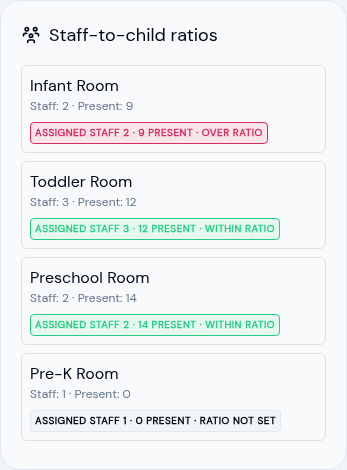
Staff-to-Child Ratios: A Practical Guide
What staff-to-child ratios require, why licensors check them, and a simple daily routine for staying within ratio...
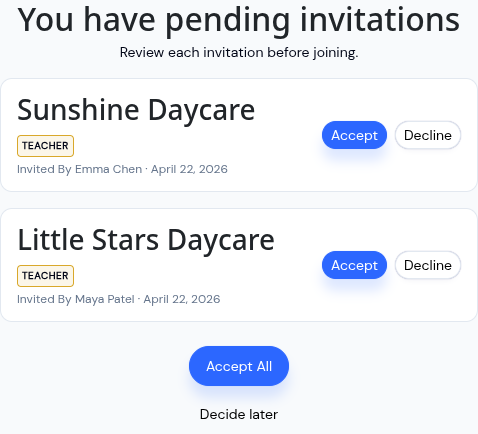
Invitations Now Ask Before They Auto-Join You
Pending center invitations now appear on a review screen after you log in. Accept, decline, or defer, so nobody is...
Avoiding Financial Pitfalls in Childcare
The money mistakes that put childcare centers under: cash flow gaps, underpricing, and no reserve. What to watch, and...