Difficult Conversations With Parents
Difficult conversations with parents aren't just inevitable—they're opportunities to strengthen relationships, demonstrate professionalism, and build trust that lasts for years. In an evolving childcare landscape, where parent expectations are higher and communication channels are more diverse than ever, mastering these interactions has become a critical skill for childcare success.
Recent industry surveys indicate that 78% of childcare staff report feeling unprepared for challenging parent conversations, yet these same interactions often determine whether families stay with your center long-term. The financial impact is significant: centers with strong parent communication practices report 40% higher retention rates and 25% fewer regulatory complaints.
This comprehensive guide provides childcare directors, teachers, and staff with proven frameworks for transforming difficult conversations into relationship-building opportunities. It builds on the foundation laid out in our guide to building trust through effective communication with parents. Whether you're dealing with billing disputes, developmental concerns, behavior incidents, or policy disagreements, you'll gain practical strategies that work across diverse family dynamics and cultural backgrounds.
For childcare centers serving families across North America, these evidence-based approaches help navigate everything from routine concerns to complex family situations while maintaining the professional standards that distinguish exceptional childcare providers.
Understanding the Nature of Difficult Parent Conversations
Common Conversation Triggers in Modern Childcare
Developmental and Behavioral Concerns When children exhibit challenging behaviors or developmental delays, parents often experience a range of emotions from denial to anxiety. These conversations require careful navigation between professional observation and family sensitivity.
Policy and Procedure Disagreements COVID-19 transformed childcare policies, and many centers continue updating health protocols, pickup procedures, and safety measures. Parents may resist changes or question new requirements, especially when they impact convenience or family routines.
Financial and Billing Issues Late payment discussions, fee increases, and additional service charges create natural tension points. Economic pressures on families have intensified, making financial conversations more sensitive than ever.
Communication and Transparency Expectations Digital-native parents expect real-time updates, detailed documentation, and immediate responses. When communication gaps occur, frustration builds quickly and can escalate minor issues into major conflicts.
Cultural and Value Differences Diverse communities bring varying perspectives on discipline, learning approaches, cultural celebrations, and family involvement. Navigating these differences requires cultural competency and respectful dialogue.
The Psychology Behind Parent Defensiveness
Understanding why parents become defensive helps childcare providers approach conversations with empathy and strategic awareness:
Protective Instincts: Parents' primary role is protecting their children. Any perceived criticism triggers biological protective responses.
Guilt and Self-Doubt: Working parents often carry guilt about childcare decisions. Concerns about their child's development or behavior can amplify these feelings.
Previous Negative Experiences: Some parents have encountered unprofessional childcare interactions in the past, creating defensive patterns that extend to new relationships.
Stress and Overwhelm: Modern parenting pressures combined with work demands leave many families operating at their stress limits. Minor issues can feel overwhelming.
Communication Style Mismatches: Different families prefer different communication approaches—direct versus gentle, immediate versus scheduled, detailed versus summary—and mismatches create friction.
The KidzLog Professional Communication Framework
Phase 1: Preparation and Planning
Information Gathering Protocol Before initiating any difficult conversation, compile comprehensive documentation:
- Specific incident dates, times, and staff observations
- Previous related conversations or interventions attempted
- Child's typical behavior patterns and recent changes
- Any relevant family circumstances or stressors
- Applicable center policies and their rationale
- Potential solutions or compromises to offer
Environmental Considerations Choose conversation settings that promote productive dialogue:
- Privacy: Ensure confidential spaces free from interruptions
- Comfort: Arrange seating that feels collaborative rather than confrontational
- Timing: Schedule when both parties can focus without rushing
- Technology: Prepare any documentation or visual aids in advance
- Backup Plans: Have alternative meeting times ready for scheduling conflicts
Team Coordination Align your staff team before challenging conversations:
- Brief relevant teachers on the situation and planned approach
- Ensure consistent messaging across all staff interactions
- Designate primary and secondary conversation leaders
- Plan follow-up responsibilities and timeline
- Prepare responses to likely questions or objections
Phase 2: The CALM Communication Model
C - Connect with Empathy Begin every difficult conversation by acknowledging the parent's perspective and establishing emotional connection:
"I can see how concerning this situation must be for you. As a parent myself, I understand how much you care about child's name's experience here."
Validate their feelings without necessarily agreeing with their position. This creates psychological safety and reduces defensiveness.
A - Acknowledge and Assess Clearly state what you understand about their concerns while sharing your observations:
"From what I'm hearing, you're worried that specific concern. I want to share what we've observed and work together to understand the full picture."
Use neutral, descriptive language rather than judgmental terms. Focus on behaviors and situations rather than character assessments.
L - Listen Actively and Learn Demonstrate genuine interest in understanding their perspective through:
- Reflective listening: "What I'm hearing is..."
- Clarifying questions: "Help me understand what you mean when you say..."
- Emotional validation: "That sounds really frustrating."
- Information gathering: "Can you tell me more about how this impacts your family?"
Active listening often reveals underlying concerns that aren't immediately apparent in the initial complaint.
M - Move Forward Together Transition from problem identification to collaborative solution-finding:
"Now that we both understand the situation better, let's explore some options that could work for everyone."
Present multiple potential solutions when possible, allowing parents to participate in choosing the approach that feels most comfortable for their family.
Phase 3: Advanced De-escalation Techniques
Emotional Temperature Management When conversations become heated, use these proven de-escalation strategies:
The Pause Technique: "I can see this is really important to you. Let's take a moment to make sure I fully understand your concerns."
Emotional Labeling: "I hear the frustration in your voice, and I want to make sure we address what's most important to you."
Reframing: Transform complaints into collaborative problem-solving: "So our challenge is finding a way to help child feel more successful during transitions."
Bridge Building: Find areas of agreement: "We both want child to have the best possible experience here."
Professional Boundaries in High-Stress Situations Maintain professional composure while protecting your emotional well-being:
- Use calm, steady vocal tones even when parents raise their voices
- Avoid defensive body language (crossed arms, leaning back)
- Take notes to demonstrate engagement and ensure accuracy
- Set reasonable limits: "I want to give this conversation the attention it deserves. Let's schedule a time when we can both focus completely."
- Know when to involve supervisors or defer difficult decisions
Cultural Sensitivity in Conflict Resolution Adapt your communication style to respect diverse cultural backgrounds:
- High-context cultures: Allow for indirect communication and longer relationship-building phases
- Direct communication preferences: Provide clear, specific information without excessive qualifiers
- Authority dynamics: Understand how cultural backgrounds influence expectations about professional relationships
- Language barriers: Use simple, clear language and check for understanding frequently
- Religious considerations: Respect dietary, holiday, and behavioral guidelines that may influence discussions
Documentation and Legal Compliance Protocols
Professional Documentation Standards
Conversation Record Templates Create standardized documentation that protects both families and your center:
Basic Information Capture:
- Date, time, and location of conversation
- All participants present
- Primary topics discussed
- Parent concerns as stated by them
- Center responses and explanations provided
- Solutions proposed and agreed upon
- Follow-up actions and timelines
- Next scheduled check-in date
Objective Language Guidelines: Use factual, descriptive language that avoids:
- Judgmental characterizations of parents or children
- Emotional reactions or personal opinions
- Diagnostic language or developmental assessments beyond your scope
- Promises that exceed your authority or resources
- Information about other families or children
Sample Documentation Entry: "Met with Parent Name on Date from 2:15-2:45 PM regarding concerns about Child's adjustment to group activities. Parent expressed worry that child seems withdrawn during circle time. Shared specific observations from past week including specific examples. Discussed possible strategies including specific interventions. Agreed to implement specific plan and reconvene in one week to assess progress."
Legal and Ethical Considerations
Confidentiality Protection Maintain strict confidentiality standards in all parent communications:
- Never discuss one family's situation with other families
- Store documentation in secure, access-controlled systems
- Train all staff on confidentiality requirements and consequences
- Establish clear protocols for information sharing within your team
- Understand mandatory reporting requirements for your jurisdiction
Liability Risk Management Protect your center through careful communication practices:
- Scope of Practice: Stay within your professional boundaries and expertise
- Written Policies: Ensure all difficult conversation protocols align with written center policies
- Supervisor Involvement: Know when situations require director or owner involvement
- Professional Development: Document staff training on communication and conflict resolution
- Insurance Considerations: Understand how your liability coverage applies to communication-related disputes
Regulatory Compliance Different regions have varying requirements for parent communication documentation:
United States Considerations:
- State licensing requirements for incident reporting and parent notification
- IDEA and ADA compliance for children with special needs
- Title IX and anti-discrimination documentation requirements
- Mandatory reporting obligations for suspected abuse or neglect
Canadian Considerations:
- Provincial licensing standards for family communication and documentation
- Privacy legislation compliance (PIPEDA and provincial equivalents)
- Human rights legislation regarding discrimination and accommodation
- Child protection reporting requirements by province
Staff Training and Professional Development
Building Communication Competency
Core Skill Development Program Implement systematic training that builds staff confidence in difficult conversations:
Foundation Level (All Staff):
- Active listening techniques and practice
- De-escalation strategies and role-playing
- Cultural sensitivity and awareness training
- Basic documentation requirements
- When to involve supervisors
Advanced Level (Lead Teachers and Directors):
- Conflict resolution frameworks
- Difficult conversation facilitation
- Legal and ethical communication boundaries
- Crisis communication protocols
- Family engagement strategies
Expert Level (Directors and Owners):
- Complex family dynamics navigation
- Legal compliance and liability management
- Staff coaching and support systems
- Community resource coordination
- Policy development and implementation
Ongoing Professional Development
Monthly Team Practice Sessions Regular team meetings should include communication skill practice:
- Scenario role-playing: Practice common difficult conversation situations
- Case study analysis: Review successful and challenging interactions (with confidentiality protection)
- Skill sharing: Team members share effective techniques they've discovered
- Guest experts: Bring in communication specialists or family therapists for advanced training
- Peer observation: Experienced staff mentor newer team members
Professional Resource Development Build your team's expertise through:
- Communication training certifications: Invest in formal conflict resolution training
- Industry conference attendance: Stay current on best practices and emerging trends
- Professional reading: Subscribe to childcare management and communication resources
- Community partnerships: Develop relationships with family support specialists and therapists
- Technology training: Master communication tools and documentation systems
Creating Supportive Team Culture
Emotional Support for Staff Difficult conversations take emotional tolls on staff. Provide adequate support:
- Debriefing opportunities: Schedule follow-up discussions after challenging interactions
- Team support: Create buddy systems for moral support and perspective
- Professional counseling: Provide access to employee assistance programs
- Workload management: Ensure staff aren't overwhelmed with multiple difficult situations simultaneously
- Recognition and validation: Acknowledge the skill and courage required for these conversations
Learning from Experience Transform challenging situations into learning opportunities:
- Success story sharing: Celebrate positive outcomes and effective techniques
- Challenge analysis: Examine what worked and what could improve without blame
- Policy refinement: Update procedures based on real-world experience
- Training updates: Adjust professional development based on identified needs
- Community learning: Share appropriate insights with other childcare professionals
Technology Integration and Modern Communication Tools
Digital Communication Management
KidzLog Communication Features Modern childcare management systems like KidzLog provide structured communication tools that support difficult conversations:
Documentation Capabilities:
- Timestamped communication logs for comprehensive record-keeping
- Photo and video documentation for objective behavior recording
- Standardized incident report templates ensuring consistent information capture
- Parent acknowledgment tracking for important policy communications
- Secure messaging systems protecting confidential information
Proactive Communication Tools:
- Automated progress updates reducing potential for miscommunication
- Real-time incident notifications allowing immediate parent contact
- Daily photo sharing building positive relationship foundations
- Calendar integration ensuring parents stay informed about important dates
- Billing transparency tools preventing financial conversation escalation
Balancing Digital and Personal Communication
When to Use Digital Communication:
- Routine updates and positive news sharing
- Policy reminders and administrative information
- Scheduling and logistics coordination
- Documentation follow-up after in-person conversations
- Resource sharing and educational materials
When to Insist on Face-to-Face Communication:
- Initial difficult conversation discussions
- Emotional or sensitive topics requiring empathy demonstration
- Complex problem-solving situations needing collaborative discussion
- Situations involving multiple stakeholders or family members
- Any conversation where tone and body language significantly impact understanding
Hybrid Communication Strategies: Combine digital and personal approaches for maximum effectiveness:
- Pre-meeting preparation: Share relevant documentation digitally before in-person discussions
- Follow-up confirmation: Send written summaries of verbal agreements
- Resource sharing: Provide digital access to helpful articles or professional resources
- Progress tracking: Use apps to monitor and share improvement metrics
- Emergency protocols: Establish clear digital and phone communication hierarchies
Prevention Strategies and Relationship Building
Proactive Communication Systems
Regular Check-in Protocols Prevent difficult conversations by maintaining consistent, positive communication:
Daily Touchpoints:
- Greeting and farewell interactions with emotional warmth
- Brief positive updates about child's day during pickup
- Quick responses to parent questions or concerns
- Consistent staff availability during transition times
Weekly Relationship Building:
- Structured parent communication through newsletters or apps
- Positive behavior highlight sharing for each child
- Upcoming event or change notifications with adequate advance notice
- Professional development updates showing commitment to excellence
Monthly Deeper Engagement:
- Parent satisfaction surveys with follow-up discussions
- Individual child progress conferences
- Family event planning and feedback incorporation
- Policy review and explanation sessions
Building Trust Through Transparency
Operational Transparency Help parents understand your center's operations to reduce suspicion and build confidence:
Daily Operations Sharing:
- Photo documentation of activities and learning experiences
- Staff training and professional development updates
- Safety protocol explanations and demonstration
- Curriculum implementation examples and outcomes
Policy Clarity and Rationale:
- Written policy explanations including the reasoning behind rules
- Regular policy review sessions with parent input opportunities
- Clear communication about policy changes and implementation timelines
- Access to regulatory requirements that inform your policies
Financial Transparency:
- Clear fee structure explanations including what services are covered
- Advance notice of fee changes with detailed justification
- Budget impact explanations for program improvements or additions
- Scholarship or payment plan options with clear qualification criteria
Cultural Competency and Inclusion
Diverse Family Engagement Build relationships that honor different cultural backgrounds and family structures:
Cultural Awareness Development:
- Staff training on cultural humility and bias recognition
- Community cultural celebration inclusion in programming
- Multilingual communication resources when needed
- Religious and dietary accommodation processes
Inclusive Communication Practices:
- Family structure recognition in all communications and forms
- Multiple language accommodation for important conversations
- Cultural mediator access for complex cross-cultural discussions
- Community resource connections for families needing additional support
Crisis Communication Protocols
Emergency Situation Management
Immediate Response Framework When serious incidents require difficult conversations, follow structured emergency protocols:
Immediate Assessment (First 30 minutes):
- Ensure child safety and medical attention if needed
- Gather complete factual information from all involved staff
- Determine appropriate family notification timeline
- Contact supervisors and regulatory authorities as required
- Prepare initial factual communication for parents
Family Notification Process:
- Contact parents immediately for serious incidents involving injury or behavior
- Provide factual information without speculation or blame assignment
- Arrange in-person meetings for complex situations
- Coordinate with medical professionals when health issues are involved
- Document all communications and family responses
Follow-up and Resolution:
- Schedule comprehensive discussion meetings within 24-48 hours
- Prepare improvement plans or policy adjustments as needed
- Coordinate with insurance providers if liability concerns exist
- Provide ongoing family support and communication
- Implement systematic improvements to prevent similar incidents
Managing Media and Community Relations
Public Relations Considerations When difficult parent situations escalate beyond your center, protect your reputation while maintaining ethical standards:
Social Media Management:
- Never engage in public disputes or defensive responses online
- Develop standard responses for social media concerns directing communication to private channels
- Monitor online mentions and respond professionally to legitimate concerns
- Train all staff on social media policies and appropriate public communication
Community Relationship Protection:
- Maintain relationships with other childcare providers for mutual support
- Connect with local business and community leaders who understand your value
- Participate in industry associations that provide professional backing
- Develop relationships with local media for positive story opportunities
Assessment and Continuous Improvement
Measuring Communication Effectiveness
Quantitative Success Metrics Track measurable indicators of communication program success:
Family Satisfaction Indicators:
- Parent retention rates over time
- Referral rates from existing families
- Survey responses on communication satisfaction
- Complaint resolution timeline improvements
- Positive online review frequency and content
Operational Efficiency Measures:
- Time spent on communication-related issues
- Staff confidence levels in handling difficult conversations
- Documentation compliance rates
- Regulatory complaint frequency
- Staff turnover rates related to parent interaction stress
Professional Development Tracking:
- Staff training completion rates and assessment scores
- Communication skill improvement documentation
- Professional certification achievements
- Peer evaluation improvements
- Leadership development progression
Continuous Learning and Adaptation
Regular Program Evaluation Systematically assess and improve your communication approaches:
Quarterly Review Process:
- Analysis of difficult conversation frequency and outcomes
- Staff feedback on training needs and support requirements
- Parent feedback integration into policy and procedure updates
- Technology system effectiveness evaluation
- Professional development program adjustment
Annual Comprehensive Assessment:
- Complete policy and procedure review with stakeholder input
- Staff competency evaluation and development planning
- Family satisfaction comprehensive survey and analysis
- Community relationship and reputation assessment
- Financial impact analysis of communication program investments
Industry Best Practice Integration:
- Professional conference attendance and learning application
- Peer center collaboration and knowledge sharing
- Research literature review and evidence-based practice updates
- Expert consultation for complex or unusual situations
- Innovation pilot programs and effectiveness measurement
Future-Focused Communication
Emerging Trends in Parent Communication
Technology Evolution Impact Prepare for continuing changes in how families expect to communicate:
Artificial Intelligence Integration:
- Automated translation services for multilingual family communication
- Predictive analytics for identifying potential communication challenges
- Personalized communication timing based on family preferences
- AI-assisted documentation and compliance tracking
Virtual Reality and Enhanced Documentation:
- Immersive classroom experience sharing with remote parents
- Virtual parent-teacher conferences for scheduling flexibility
- Enhanced incident recreation for better understanding
- Remote training opportunities for staff and family education
Preparing for Future Challenges
Evolving Family Structures and Expectations Anticipate changing family dynamics and communication needs:
Demographic Shifts:
- Multi-generational family involvement in childcare decisions
- Increasing single-parent and non-traditional family structures
- Growing cultural diversity requiring enhanced cultural competency
- Economic pressures affecting family communication stress levels
Professional Development Evolution:
- Advanced communication certification requirements
- Cross-cultural competency as core professional skill
- Technology literacy as fundamental communication requirement
- Trauma-informed care integration into all parent interactions
Regulatory and Legal Landscape Changes:
- Enhanced privacy protection requirements affecting documentation
- Increased transparency expectations from families and regulators
- Professional liability considerations for communication practices
- Mandatory communication training requirements for childcare staff
Key Implementation Takeaways
Start Small: Foundation Building
- Implement the CALM communication model with all staff through weekly practice sessions
- Create standardized documentation templates for consistent record-keeping across all difficult conversations
- Establish regular team debriefing sessions after challenging parent interactions to support staff and improve processes
Focus on Prevention: Relationship Investment
- Develop daily positive touchpoint protocols ensuring every parent receives at least one positive interaction daily
- Create monthly parent communication calendars with proactive updates about policies, procedures, and child progress. For a step-by-step framework, see our post on how to involve parents in their child's learning journey
- Build cultural competency training programs that help staff understand and respect diverse family backgrounds and communication styles
Strengthen Systems: Professional Infrastructure
- Train designated staff members in advanced conflict resolution and crisis communication protocols
- Integrate communication documentation into existing childcare management systems for comprehensive record-keeping
- Establish community resource networks including family therapists, cultural mediators, and professional development specialists
Measure and Improve: Continuous Development
- Track parent satisfaction metrics quarterly with specific focus on communication effectiveness and relationship quality
- Conduct regular staff competency assessments in communication skills with targeted professional development planning
- Review and update policies annually based on real-world experience and emerging best practices in parent communication
Plan for Growth: Future Preparation
- Invest in technology integration training preparing staff for evolving digital communication expectations and tools
- Develop leadership succession planning ensuring communication expertise transfers as staff advance or transition
- Create partnership relationships with local professionals who can support complex family situations requiring specialized expertise
Build Resilience: Support Systems
- Establish staff emotional support protocols recognizing the emotional labor involved in difficult parent conversations
- Create peer mentorship programs pairing experienced staff with newer team members for communication skill development
- Develop crisis communication procedures that protect both families and staff during emergency or high-conflict situations
Transform challenging parent conversations into relationship-building opportunities with KidzLog's comprehensive communication and documentation tools. Start your free trial today and discover how professional childcare management software supports every aspect of exceptional parent communication.
Ready to Simplify and Organize your Daycare?
Get started with KidzLog today!
KidzLog Team
Related Articles
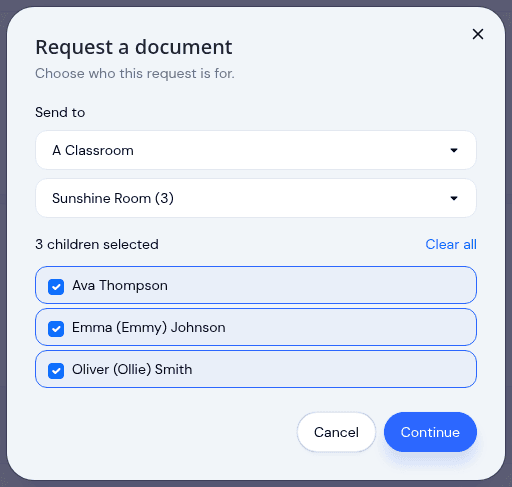
Send a document to a classroom or program
Pick a room instead of ticking twenty names, see exactly which children a request covers before it sends, and open any...
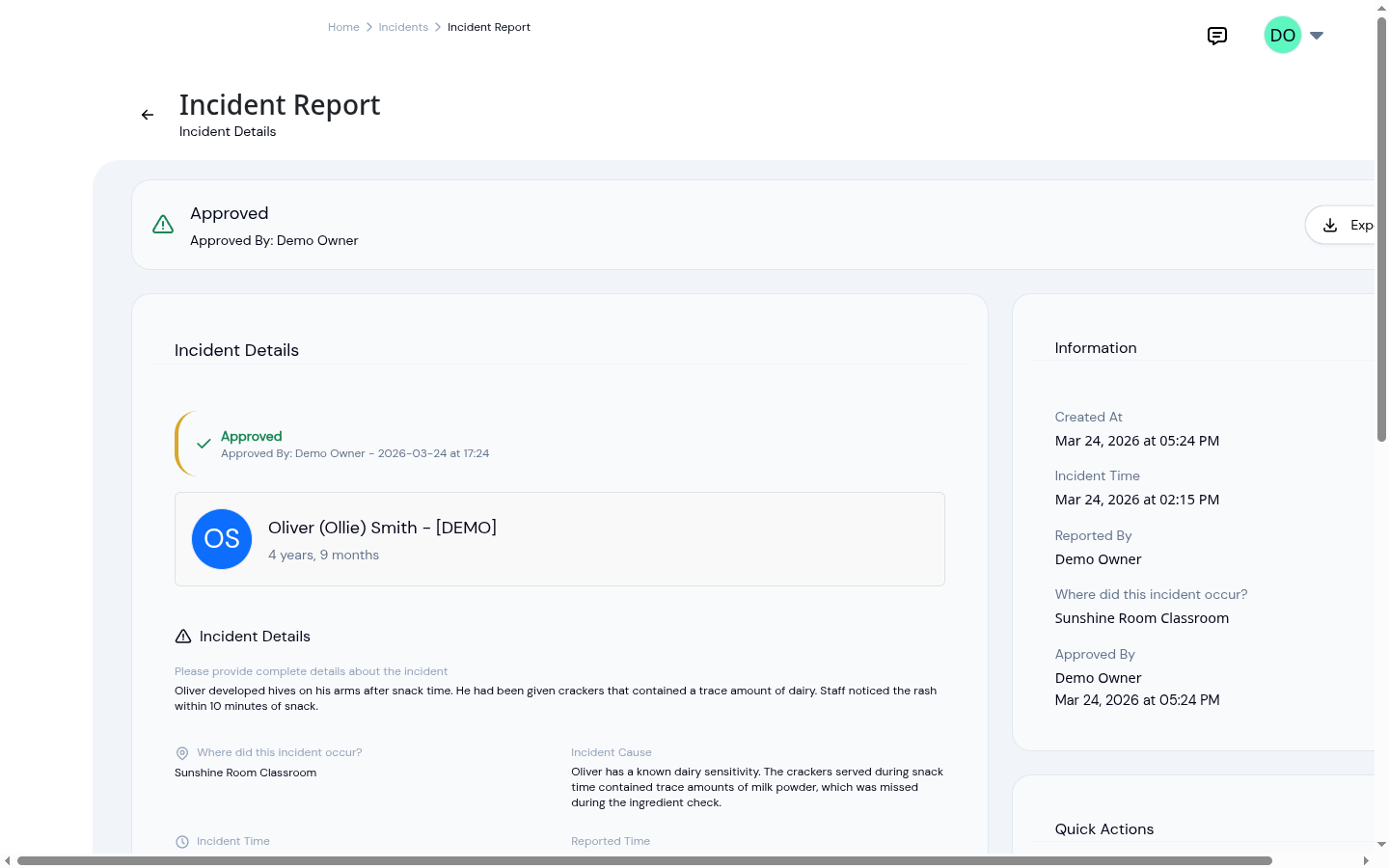
After an incident: what to tell parents
How daycare staff and directors handle the conversation with parents after an incident: what to say at pickup, what to...
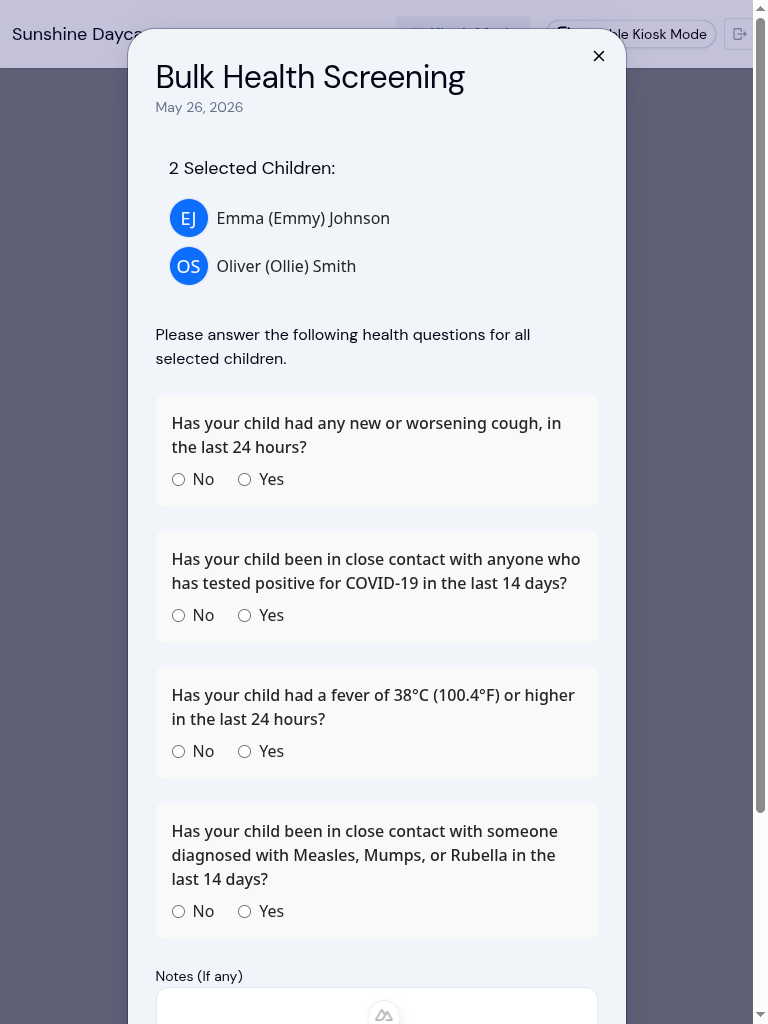
Why daycares ask health questions every morning
What the morning health questions at your daycare are screening for, what happens if you answer yes, and where your...