Involving Parents in Their Child's Learning
Parent involvement in early childhood education isn't just beneficial—it's transformational. Research consistently demonstrates that children with actively engaged families show significantly higher achievement rates, improved social-emotional development, and stronger school readiness skills. For childcare centers looking to create lasting educational impact while building stronger community relationships, this comprehensive guide provides proven strategies, implementation frameworks, and assessment tools for meaningful family partnerships.
The landscape of parent engagement has evolved significantly. Today's families, whether in urban Toronto or rural Texas, seek authentic collaboration opportunities that respect their time constraints while providing genuine value to their child's development. This guide addresses the practical realities of implementing family engagement programs that work across diverse family structures, schedules, and cultural backgrounds throughout North America.
Understanding Modern Family Engagement in Early Childhood Education
Effective parent involvement goes beyond traditional volunteer opportunities. It encompasses creating systematic approaches that honor families as children's first teachers while providing structured ways to extend learning beyond the classroom walls. Research from leading educational organizations demonstrates that when parents understand how to support their child's specific developmental needs, learning outcomes improve dramatically.
The Parent Engagement Landscape
Today's childcare centers face unique challenges in family engagement. Working parents often struggle with time constraints, while diverse family structures require flexible participation options. Additionally, varying comfort levels with educational terminology and approaches mean that engagement strategies must be both inclusive and accessible.
Modern family engagement recognizes that every family brings valuable knowledge about their child. The most successful programs create bidirectional communication channels where educators learn from families while providing professional insights about child development and learning strategies. For foundational strategies on establishing these channels, see our guide on building trust through effective communication with parents.
Core Strategies for Meaningful Parent Involvement
1. Classroom Participation Programs
Implementation Framework:
Flexible Volunteer Scheduling Create multiple engagement tiers that accommodate different family availability:
- Daily volunteers: 30-60 minute commitments for reading, art projects, or snack preparation
- Weekly specialists: Parents sharing professional skills (music, gardening, cooking demonstrations)
- Monthly event coordinators: Families organizing seasonal celebrations or field trip support
- Home-based contributors: Creating materials, translating resources, or providing cultural expertise
Professional Preparation Process
- Orientation sessions: 90-minute workshops covering classroom routines, child development basics, and communication protocols
- Skill-specific training: Targeted 30-minute sessions for reading volunteers, craft assistants, or outdoor activity leaders
- Background checks and safety protocols: Streamlined processes that respect family time while ensuring child safety
- Ongoing support: Monthly check-ins and quarterly appreciation events
Documentation and Assessment Track volunteer engagement through:
- Participation frequency and preferred activities
- Child response to family member involvement
- Volunteer feedback on experience quality
- Impact on classroom community dynamics
2. Home Learning Extension Programs
Curriculum-Aligned Take-Home Activities
Develop structured activity packets that seamlessly extend classroom learning:
Weekly Learning Kits Components:
- Primary activity: 15-20 minute guided experience aligned with current classroom themes
- Extension options: Additional activities for families who want deeper engagement
- Observation guide: Simple tools for parents to note their child's responses and development
- Resource list: Household items needed, with substitution suggestions
- Cultural adaptation suggestions: Ways to incorporate family traditions or languages
Example Learning Kit: "Community Helpers" Theme
- Primary activity: Family interview about jobs and community contributions
- Math extension: Counting and sorting game using work-related items
- Literacy connection: Creating a family job story book
- Creative expression: Role-play costumes using household items
- Cultural bridge: Sharing traditional occupations from family heritage
Implementation Strategy:
- Distribution system: Weekly packets sent home on Fridays with clear instructions
- Family feedback mechanism: Simple return forms or digital check-ins
- Sharing opportunities: Monday morning circle time for children to share home experiences
- Documentation support: Photo suggestions and portfolio development guidance
3. Communication and Progress Sharing Systems
Comprehensive Progress Communication Framework
Move beyond traditional report cards to create meaningful dialogue about child development:
Regular Communication Schedule:
- Daily connection: Brief verbal or written updates about significant moments
- Weekly summaries: Learning highlights, social interactions, and developmental observations
- Monthly portfolio reviews: Comprehensive documentation of growth and learning
- Quarterly goal-setting conferences: Collaborative planning for continued development
Digital Portfolio Management Utilize technology platforms to create accessible learning documentation:
- Photo documentation: Daily learning moments captured with developmental context
- Video observations: Short clips showing skill development and social interactions
- Work samples: Art projects, early writing attempts, and problem-solving evidence
- Family contributions: Home learning photos and parent observations
Goal-Setting Partnership Process
- Pre-conference preparation: Family questionnaire about home observations and priorities
- Child voice inclusion: Age-appropriate ways for children to share their learning interests
- Collaborative goal development: Specific, measurable objectives for both home and school
- Resource planning: Materials, activities, and support strategies needed
- Follow-up scheduling: Regular check-ins to assess progress and adjust approaches
Professional Development for Family Engagement Excellence
Staff Training Components
Cultural Competency Development
- Family diversity awareness: Understanding varied family structures, values, and communication styles
- Language accessibility: Strategies for communicating effectively across language barriers
- Socioeconomic sensitivity: Adapting engagement opportunities for different resource levels
- Time constraint recognition: Creating flexible participation options for working families
Communication Skills Enhancement
- Strength-based language: Focusing on child capabilities rather than deficits
- Active listening techniques: Drawing out family knowledge and concerns
- Conflict resolution: Addressing disagreements professionally and constructively, including managing difficult conversations with parents
- Technology integration: Using digital tools effectively for family communication
Assessment and Documentation Strategies
Family Engagement Quality Indicators
Develop systematic approaches to evaluate engagement effectiveness:
Quantitative Measures:
- Participation rates in various engagement opportunities
- Frequency of home-school communication
- Attendance at family events and conferences
- Volunteer hour contributions
- Home learning kit completion rates
Qualitative Assessment Tools:
- Family satisfaction surveys (quarterly)
- Staff reflection protocols on family relationships
- Child feedback about family involvement experiences
- Community feedback on center family engagement reputation
Documentation Portfolio System:
- Individual family engagement profiles: Tracking preferred communication methods, participation patterns, and relationship development
- Program effectiveness analysis: Annual review of engagement strategies and outcomes
- Best practices documentation: Recording successful approaches for program improvement
- Challenge resolution case studies: Learning from difficult situations to improve future responses
Technology Integration for Enhanced Family Partnerships
Digital Communication Platforms
Comprehensive Family Engagement Technology Stack
Modern childcare centers can leverage technology to create seamless family communication while maintaining personal connections:
Daily Communication Tools:
- Photo sharing platforms: Secure, real-time sharing of learning moments
- Two-way messaging systems: Quick updates and questions between families and educators
- Digital sign-in systems: Streamlined drop-off/pick-up with brief communication opportunities
- Learning portfolio apps: Organized documentation of child development and achievements
KidzLog Integration for Family Engagement KidzLog's comprehensive platform supports family involvement through:
- Learning milestone tracking: Visual progress documentation that families can access and contribute to
- Event coordination: Simplified volunteer scheduling and activity planning
- Resource sharing: Digital distribution of home learning materials and family resources
- Communication centralization: All family interactions documented in one accessible location
Balancing Digital and Personal Connection
Hybrid Engagement Strategies:
- Technology for efficiency: Routine communications, scheduling, and resource distribution
- Personal interaction for depth: Goal-setting, problem-solving, and relationship building
- Family choice respect: Multiple communication options to meet diverse preferences
- Privacy considerations: Clear policies about photo sharing and information access
Implementation Planning and Timeline
Phase 1: Foundation Building (Months 1-2)
Staff Preparation:
- Family engagement philosophy development
- Initial staff training on communication strategies
- Technology platform setup and training
- Policy development for volunteer management
Family Introduction:
- Current family survey about engagement interests and availability
- Introduction to new communication systems
- Volunteer opportunity explanations
- Cultural background information gathering
Phase 2: Program Launch (Months 3-4)
Pilot Programs:
- Launch reading volunteer program with 5-10 families
- Implement weekly home learning kits for interested families
- Begin monthly portfolio sharing meetings
- Test digital communication platforms with willing participants
Feedback Collection:
- Weekly staff debriefs on engagement challenges and successes
- Family feedback forms about new programs
- Child response observations to family involvement
- Technology platform usage and satisfaction assessment
Phase 3: Program Expansion (Months 5-8)
Full Implementation:
- Expand volunteer opportunities based on family interests
- Launch comprehensive home learning extension program
- Implement quarterly goal-setting conferences
- Develop community partnerships for family engagement
Quality Improvement:
- Monthly program evaluation meetings
- Staff professional development continuation
- Family leadership development opportunities
- Community impact assessment
Common Challenges and Proven Solutions
Challenge 1: Time-Constrained Families
Solutions:
- Micro-volunteering: 10-15 minute opportunities that fit busy schedules
- Evening and weekend options: Alternative timing for working parents
- Home-based contributions: Ways to help from family's own schedule
- Sibling-inclusive activities: Opportunities that accommodate multiple children
Challenge 2: Cultural and Language Barriers
Solutions:
- Multi-language materials: Translated resources and communication
- Cultural liaison volunteers: Community members who bridge communication gaps
- Flexible participation models: Honoring different cultural approaches to school involvement
- Professional interpretation services: Ensuring clear communication during important conversations
Challenge 3: Varying Educational Backgrounds
Solutions:
- Accessible language use: Avoiding educational jargon in family communications
- Visual communication aids: Photos, videos, and demonstrations to support written materials
- Peer mentoring programs: Experienced families supporting newcomers
- Professional development for staff: Training on communicating across educational backgrounds
Challenge 4: Resource and Space Limitations
Solutions:
- Community space partnerships: Using libraries, community centers, and parks for family events
- Virtual engagement options: Online meetings and digital participation opportunities
- Resource sharing networks: Families contributing materials and supplies
- Graduated implementation: Starting small and building successful programs over time
Measuring Success and Long-Term Impact
Comprehensive Assessment Framework
Short-Term Indicators (3-6 months):
- Increased family participation in center activities
- Improved communication frequency between families and staff
- Higher satisfaction rates in family surveys
- Enhanced child excitement about sharing home and school experiences
Medium-Term Outcomes (6-12 months):
- Measurable improvement in children's learning outcomes
- Stronger family-educator relationships
- Reduced challenges in addressing behavioral or developmental concerns
- Increased family referrals and positive community reputation
Long-Term Impact (12+ months):
- Enhanced school readiness skills in graduating children
- Sustained family engagement patterns as children transition
- Community recognition as a family-centered program
- Staff retention improvement due to positive work environment
Documentation and Reporting Systems
Annual Family Engagement Report Components:
- Participation statistics: Quantitative analysis of engagement activities
- Success stories: Qualitative examples of positive outcomes
- Challenge analysis: Honest assessment of ongoing obstacles
- Program evolution: Changes made based on feedback and results
- Future planning: Goals and strategies for continued improvement
Future Trends and Preparation
Emerging Approaches to Family Engagement
Technology Evolution:
- Artificial intelligence support: Personalized communication and learning recommendations
- Virtual reality experiences: Shared learning adventures for families and children
- Predictive analytics: Early identification of engagement challenges and opportunities
- Blockchain documentation: Secure, portable learning portfolios that follow children
Societal Shifts Impacting Family Engagement:
- Remote work normalization: More flexible family availability for daytime participation
- Mental health awareness: Increased focus on social-emotional learning and family wellness
- Environmental consciousness: Sustainability integration in learning activities and center operations
- Diversity celebration: Enhanced approaches to multicultural learning and family inclusion
Preparing for Future Family Needs
Strategic Planning Considerations:
- Technology infrastructure: Ensuring systems can evolve with changing needs
- Staff development: Continuous learning about family engagement best practices
- Community partnerships: Building relationships with organizations serving families
- Flexibility maintenance: Keeping programs adaptable to changing family circumstances
- Research integration: Staying current with family engagement research and innovations
Key Implementation Points
Successful parent involvement in children's learning journeys requires systematic planning, genuine partnership building, and continuous adaptation to family needs. Here are the essential action steps for implementation:
- Start with relationship building: Invest time in understanding each family's unique circumstances, strengths, and goals before implementing structured programs
- Focus on bidirectional communication: Create systems that allow families to share knowledge about their children while receiving professional insights about development and learning
- Implement flexible participation options: Design engagement opportunities that accommodate diverse work schedules, family structures, and comfort levels with educational settings
- Develop comprehensive staff training: Ensure all team members understand cultural competency, effective family communication, and strength-based approaches to child development discussions
- Create systematic documentation: Use technology and structured observation tools to track both child development and family engagement patterns for continuous improvement
- Establish clear communication protocols: Develop consistent approaches for daily updates, progress sharing, and collaborative goal-setting that respect family time and preferences
- Design meaningful home learning extensions: Provide structured activities that genuinely extend classroom learning while being realistic about family time and resource constraints
- Build community partnerships: Connect with local organizations, libraries, and cultural centers to expand family engagement opportunities beyond center walls
- Measure both quantitative and qualitative outcomes: Track participation rates alongside relationship quality and child development improvements to ensure programs create genuine value
- Plan for sustainability: Develop engagement programs that can be maintained long-term with available staff resources while continuing to meet evolving family needs
- Address barriers proactively: Identify and solve common obstacles like transportation, language differences, and time constraints before they prevent meaningful participation
- Celebrate successes regularly: Recognize family contributions and child achievements through multiple channels to maintain motivation and community connection
Ready to streamline your childcare center operations? Try KidzLog today and see how easy managing your daycare can be!
Ready to Simplify and Organize your Daycare?
Get started with KidzLog today!
KidzLog Team
Related Articles
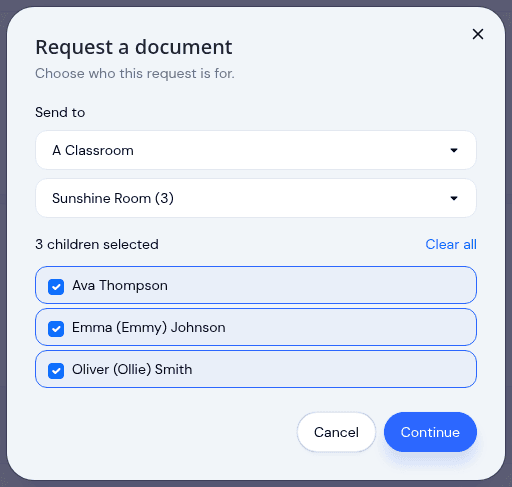
Send a document to a classroom or program
Pick a room instead of ticking twenty names, see exactly which children a request covers before it sends, and open any...
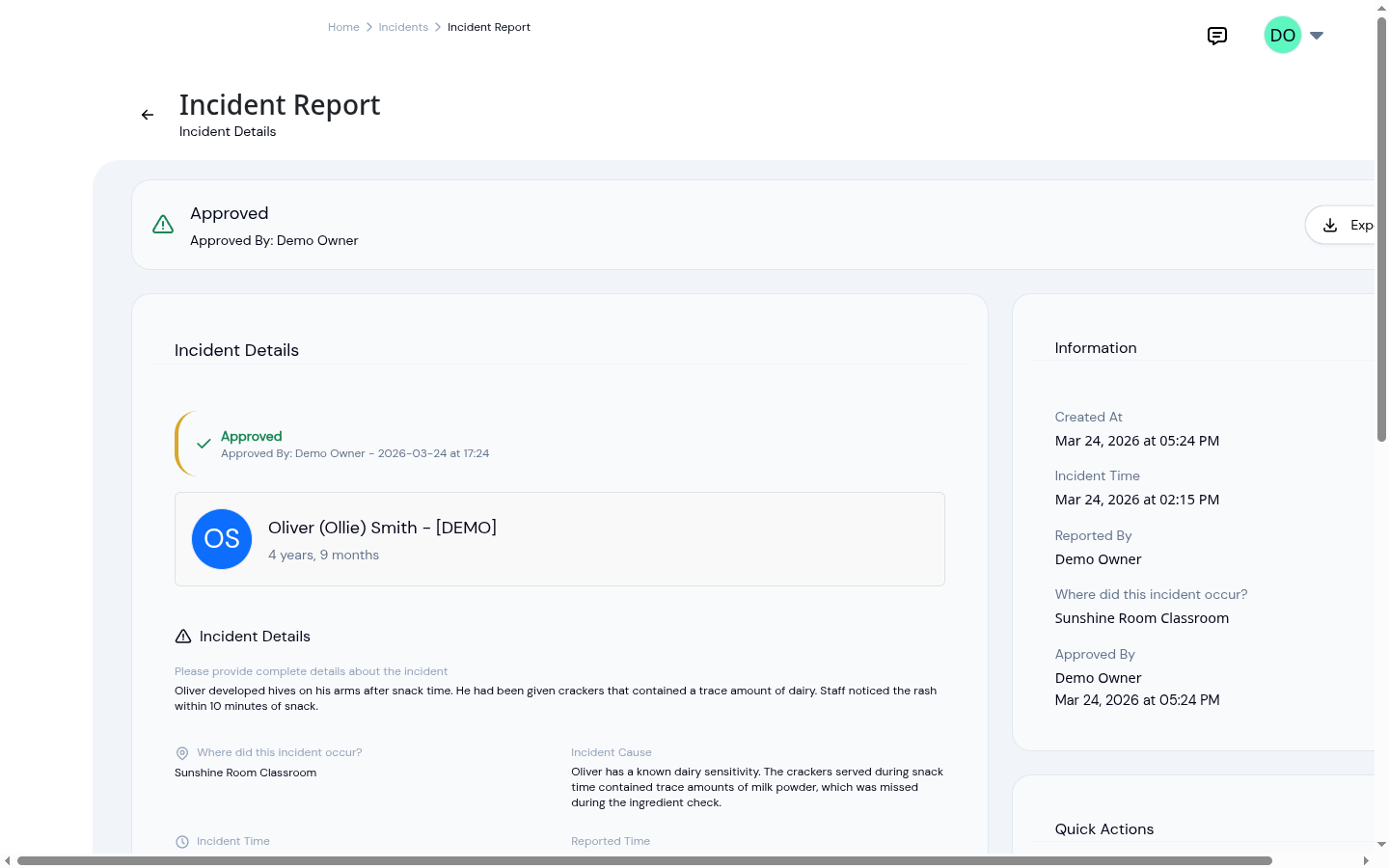
After an incident: what to tell parents
How daycare staff and directors handle the conversation with parents after an incident: what to say at pickup, what to...
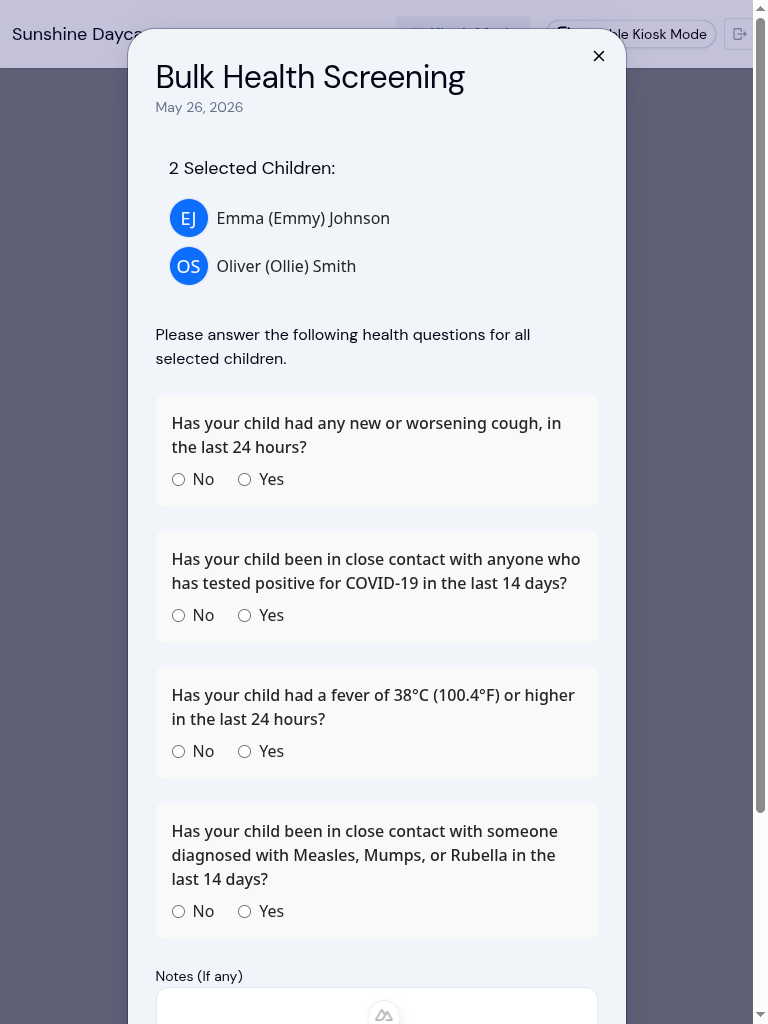
Why daycares ask health questions every morning
What the morning health questions at your daycare are screening for, what happens if you answer yes, and where your...