12 Proven Strategies to Improve Daycare Efficiency
Running an efficient daycare center isn't just about cutting costs—it's about creating systems that allow you to focus on what matters most: providing exceptional care for children while supporting their development. Today, childcare centers across North America face unprecedented challenges: staff shortages affecting 76% of providers (with 80% of centers reporting staffing shortages and 88,000 jobs lost since 2020), increased regulatory requirements, and rising operational costs that have grown 6-8% annually in recent years.
For daycare directors juggling administrative tasks, billing complexities, and daily operations, implementing proven efficiency strategies has become essential for sustainability and growth. This comprehensive guide provides actionable strategies that successful childcare centers are using to reduce administrative burden by up to 40%, streamline operations, and create more time for quality programming and family engagement. For an overview of the technology solutions that support these strategies, see our guide on top technology tools to streamline your childcare operations.
Whether you're managing a small family daycare or overseeing multiple locations, these evidence-based approaches will help you optimize every aspect of your operation while maintaining the high-quality care that families expect and children deserve.
1. Automate Billing and Payment Processing Systems
Current Industry Context
Manual billing remains one of the most time-consuming administrative tasks for childcare centers, with directors spending an average of 8-12 hours per month on invoicing, payment tracking, and financial reconciliation. Today, automated billing systems have become essential for maintaining cash flow and reducing administrative overhead.
Implementation Strategy
Phase 1: System Setup (Week 1-2)
- Audit current billing processes and identify pain points
- Select automated billing software that integrates with your existing systems. See our guide on how to implement childcare management software for implementation tips
- Set up automated invoicing schedules based on your enrollment patterns
- Configure payment processing for multiple methods (ACH, credit cards, cash)
Phase 2: Parent Onboarding (Week 3-4)
- Migrate existing family payment information to new system
- Provide training sessions for parents on digital payment options
- Set up automated payment reminders and overdue notices
- Establish clear policies for failed payments and late fees
Phase 3: Optimization (Month 2)
- Monitor payment patterns and adjust automated schedules
- Implement early payment incentives and autopay discounts
- Set up detailed financial reporting and cash flow projections
ROI and Time Savings
Centers using automated billing systems report:
- Significant reduction in time spent on monthly billing tasks
- Improved on-time payment rates
- $2,400 annual savings in administrative costs for 50-child centers
- Enhanced accuracy in invoice generation, reducing billing disputes
KidzLog's Advanced Billing Features streamline this entire process with customizable billing cycles, automated late fee assessment, and real-time payment tracking that gives you complete financial visibility.
2. Streamline Enrollment and Registration Processes
Digital Enrollment Revolution
Traditional paper-based enrollment processes often take 2-3 weeks to complete and require multiple in-person meetings. Modern digital enrollment systems can reduce this timeline to 3-5 days while improving data accuracy and family satisfaction.
Complete Enrollment Optimization
Pre-Enrollment Phase:
- Create digital application forms with conditional logic
- Implement online document upload systems for medical records
- Set up automated confirmation emails and next-step guidance
- Establish virtual tour scheduling with calendar integration
Active Enrollment Phase:
- Use electronic signature capabilities for all contracts
- Implement real-time background check processing
- Create automated immunization tracking and reminder systems
- Set up payment plan configuration during enrollment
Post-Enrollment Integration:
- Automatically populate child profiles in management systems
- Generate welcome packets with center-specific information
- Schedule orientation sessions and classroom transitions
- Initiate family communication preferences setup
Advanced Features
- AI-powered application review that flags incomplete submissions
- Automated waitlist management with priority scoring
- Integration with state licensing databases for compliance verification
- Multi-language support for diverse family populations
Implementation Timeline and Results
Week 1-2: Digital form creation and system setup Week 3-4: Staff training and process testing Month 2: Full implementation and optimization
Expected outcomes:
- 65% reduction in enrollment processing time
- 80% decrease in paperwork handling
- 50% improvement in data accuracy
- Enhanced family experience with 24/7 enrollment access
3. Optimize Staff Scheduling and Time Management
Strategic Workforce Management
Effective staff scheduling directly impacts both operational costs and program quality. Centers with optimized scheduling systems reduce labor costs by 12-18% while maintaining consistent adult-to-child ratios and minimizing overtime expenses.
Comprehensive Scheduling Framework
Predictive Scheduling Model:
- Analyze enrollment patterns and attendance trends
- Create template schedules based on historical data
- Build in flexibility for sick coverage and professional development
- Implement cross-training schedules for coverage redundancy
Technology-Enhanced Scheduling:
- Use scheduling software with automatic conflict detection
- Implement mobile apps for shift swapping and time tracking
- Set up automated overtime alerts and budget monitoring
- Create real-time staffing dashboards for managers
Staff Empowerment Strategies:
- Provide advance scheduling (2-4 weeks minimum)
- Create fair shift rotation systems
- Implement preferred schedule request processes
- Establish clear substitution and coverage protocols
Advanced Time Management Systems
Automated Time Tracking:
- Digital clock-in/out systems with location verification
- Automatic break and lunch period tracking
- Integration with payroll systems for seamless processing
- Real-time labor cost monitoring and budget alerts
Performance Optimization:
- Task time analysis to identify efficiency opportunities
- Workload distribution assessment and rebalancing
- Professional development scheduling integration
- Compliance training tracking and certification management
Cost Savings and Productivity Gains
Well-implemented scheduling systems deliver:
- 15-20% reduction in overtime costs
- 25% improvement in schedule adherence
- 40% decrease in scheduling conflicts
- Enhanced staff satisfaction leading to reduced turnover (industry average 26-40% annual turnover, with centers paying <$10/hour seeing 23.1% turnover vs 7.5% at $25+/hour)
4. Implement Digital Documentation and Record Management
Transition from Paper to Digital Excellence
Digital documentation systems eliminate the inefficiencies of paper-based record keeping while improving accessibility, security, and compliance. Modern childcare centers are reducing documentation time by 50-60% through strategic digitization.
Comprehensive Digital Documentation Strategy
Child Records Management:
- Electronic health records with automated immunization tracking
- Digital emergency contact databases with real-time updates
- Developmental assessment portfolios with photo integration
- Incident report systems with automated notifications
Administrative Documentation:
- Staff certification and training record databases
- Policy and procedure digital libraries with version control
- Compliance documentation with automated renewal reminders
- Financial record systems with secure backup protocols
Family Communication Integration:
- Daily report generation with activity photos and notes
- Progress sharing platforms with developmental milestones
- Digital newsletters and announcement distribution
- Parent conference scheduling and documentation
Advanced Security and Compliance Features
Data Protection Protocols:
- End-to-end encryption for all sensitive information
- Role-based access controls for staff members
- Automatic backup systems with disaster recovery
- PIPEDA/COPPA compliance verification systems with appropriate data retention requirements
Audit Trail Management:
- Complete access logging for all record modifications
- Automated compliance reporting for licensing agencies
- Document retention scheduling based on PIPEDA, COPPA, and Canada Early Learning and Child Care Act regulatory requirements
- Real-time security monitoring and threat detection
Implementation Best Practices
Phase 1: Assessment and Planning (Month 1)
- Audit existing paper systems and identify digitization priorities
- Select cloud-based management systems with appropriate security
- Develop data migration strategies and backup protocols
- Train staff on digital workflows and security procedures
Phase 2: System Deployment (Month 2-3)
- Migrate critical records with verification processes
- Implement new documentation workflows gradually
- Establish quality control and data verification procedures
- Create user training programs and support resources
Phase 3: Optimization and Expansion (Month 4+)
- Monitor system performance and user adoption rates
- Identify additional automation opportunities
- Integrate with other operational systems
- Continuously update security protocols and access controls
5. Optimize Supply Chain and Inventory Management
Strategic Resource Management
Effective inventory management can reduce supply costs by 15-25% while ensuring consistent availability of essential materials. Modern childcare centers are implementing data-driven approaches to optimize purchasing, storage, and distribution of supplies.
Comprehensive Inventory Control System
Automated Inventory Tracking:
- Digital inventory management with barcode scanning
- Automated reorder alerts based on usage patterns
- Bulk purchasing coordination for cost optimization
- Vendor management systems with performance tracking
Strategic Purchasing Programs:
- Group purchasing arrangements with other centers
- Seasonal ordering schedules for educational materials
- Emergency supply reserves with rotation protocols
- Cost comparison tools for vendor selection
Waste Reduction Strategies:
- Usage pattern analysis to optimize order quantities
- Expiration date tracking for perishable items
- Recycling and reuse programs for educational materials
- Energy-efficient purchasing decisions
Implementation Framework
Month 1: System Setup
- Install inventory management software
- Conduct complete inventory audit and cataloging
- Establish reorder points and maximum stock levels
- Set up vendor relationships and purchasing agreements
Month 2: Process Optimization
- Train staff on inventory procedures and technology
- Implement usage tracking and reporting systems
- Establish quality control and receiving protocols
- Create emergency supply procedures
Month 3: Performance Monitoring
- Analyze purchasing patterns and cost savings
- Optimize vendor relationships and contracts
- Adjust inventory levels based on actual usage
- Implement continuous improvement processes
Expected Cost Savings and Benefits
- 20-25% reduction in supply costs through optimized purchasing
- 40% decrease in time spent on inventory management
- 95% reduction in stockout incidents
- Enhanced program quality through consistent material availability
6. Maximize Space Utilization and Layout Efficiency
Strategic Space Design for Operational Excellence
Optimal space utilization can increase program capacity by 15-20% while improving workflow efficiency and reducing operational costs. Effective layout design supports both educational programming and administrative efficiency.
Comprehensive Space Optimization Strategy
Multi-Purpose Space Design:
- Flexible classroom configurations for different activities
- Convertible spaces for meetings, training, and events
- Efficient storage solutions that maximize floor space
- Technology integration zones for digital learning
Workflow Optimization:
- Administrative areas positioned for optimal supervision
- Supply storage locations based on usage frequency
- Traffic flow analysis to minimize congestion
- Emergency evacuation route optimization
Cost-Effective Improvements:
- Modular furniture systems for flexibility
- Vertical storage solutions to maximize capacity
- Energy-efficient lighting and climate control
- Technology infrastructure for digital operations
Advanced Space Management Techniques
Data-Driven Layout Decisions:
- Space utilization analysis using occupancy data
- Activity-based space allocation optimization
- Traffic pattern studies for layout improvements
- Cost-benefit analysis for space modifications
Technology-Enhanced Efficiency:
- Smart classroom management systems
- Automated climate and lighting controls
- Security system integration for access management
- Communication systems for improved coordination
Implementation and ROI
Planning Phase (Month 1):
- Conduct comprehensive space audit and utilization analysis
- Develop layout optimization plans with cost estimates
- Identify funding sources and implementation timeline
- Create temporary space solutions during transitions
Implementation Phase (Month 2-4):
- Execute layout changes in phases to minimize disruption
- Install new storage and organizational systems
- Integrate technology improvements and infrastructure
- Train staff on new layouts and efficiency procedures
Results and Benefits:
- 18-22% improvement in space utilization efficiency
- $3,000-5,000 annual savings in operational costs
- Enhanced program quality through improved learning environments
- Increased enrollment capacity without facility expansion
7. Enhance Communication Workflow Systems
Streamlined Communication Architecture
Effective communication systems reduce misunderstandings by 70% while saving 5-8 hours per week in administrative time. Modern childcare centers are implementing comprehensive communication strategies that connect all stakeholders efficiently.
Multi-Channel Communication Strategy
Internal Staff Communication:
- Centralized messaging platforms for instant coordination
- Digital bulletin boards for announcements and updates
- Secure channels for confidential information sharing
- Mobile apps for real-time communication during operations
Family Engagement Systems:
- Automated daily reports with photos and developmental notes
- Real-time notifications for important updates
- Digital newsletters with personalized content
- Two-way communication portals for parent feedback
Administrative Communication:
- Automated regulatory reporting and compliance updates
- Vendor coordination systems for supply management
- Emergency notification systems for crisis situations
- Professional development coordination and scheduling
Advanced Communication Features
Automated Notification Systems:
- Absence and late arrival alerts
- Payment due reminders and confirmations
- Event announcements and RSVP management
- Weather-related closure notifications
Personalized Family Engagement:
- Individual child progress updates and milestones
- Customized learning activity suggestions for home
- Photo sharing with privacy controls and permissions
- Virtual conference scheduling and documentation
Implementation Timeline and Benefits
Week 1-2: Platform Selection and Setup
- Evaluate communication software options
- Configure notification systems and user access
- Import family contact information and preferences
- Train staff on communication protocols
Week 3-4: Family Onboarding
- Provide app installation and usage training
- Set up personalized notification preferences
- Establish communication schedules and expectations
- Create feedback mechanisms for system improvement
Expected Outcomes:
- 65% improvement in parent satisfaction scores
- 50% reduction in phone calls and emails
- 80% increase in family engagement metrics
- Enhanced transparency leading to stronger relationships
8. Automate Routine Administrative Tasks
Task Automation Revolution
Administrative automation can reduce routine task time by 60-70% while improving accuracy and consistency. Centers implementing comprehensive automation strategies report significant improvements in staff productivity and job satisfaction.
Priority Automation Areas
Attendance and Check-in Systems:
- Digital sign-in tablets with parent verification
- Automated attendance reporting to state agencies
- Real-time capacity monitoring and waitlist management
- Integration with billing systems for accurate invoicing
Regulatory Compliance Automation:
- Automated immunization tracking and reminder systems
- Staff certification renewal alerts and tracking
- Incident reporting with automatic notifications
- Background check renewal coordination
Financial Process Automation:
- Automated accounts receivable management
- Tax document generation and distribution
- Budget tracking and variance reporting
- Vendor payment processing and reconciliation
Advanced Automation Strategies
Workflow Automation:
- New enrollment processing with automatic document generation
- Staff onboarding checklists with progress tracking
- Quality assurance monitoring with automated reporting
- Parent communication triggered by specific events
Data Integration Systems:
- Seamless information flow between different software platforms
- Automated backup and security protocols
- Real-time dashboard generation for key metrics
- Predictive analytics for operational planning
ROI Analysis and Implementation
Cost-Benefit Analysis:
- Initial investment: $2,000-5,000 for comprehensive automation
- Monthly savings: $800-1,200 in reduced administrative time
- Annual ROI: 38-50% efficiency improvements from automation investment
- Payback period: 6-12 months typical for most automation projects
Implementation Strategy:
- Start with highest-impact, lowest-complexity automations
- Gradually expand to more sophisticated systems
- Train staff thoroughly on new automated processes
- Monitor performance and optimize based on usage data
9. Implement Performance Monitoring and Analytics
Data-Driven Operational Excellence
Performance monitoring systems provide actionable insights that help centers optimize operations, reduce costs, and improve quality. Centers using comprehensive analytics report 25-30% improvements in operational efficiency.
Key Performance Indicators (KPIs)
Financial Performance Metrics:
- Revenue per enrolled child and occupancy rates
- Administrative cost ratios and operational efficiency
- Payment collection rates and accounts receivable aging
- Supply cost per child and vendor performance metrics
Operational Efficiency Measures:
- Staff productivity ratios and schedule optimization
- Space utilization rates and capacity management
- Task completion times and workflow efficiency
- Technology adoption rates and user satisfaction
Quality and Compliance Indicators:
- Family satisfaction scores and retention rates
- Staff turnover rates and professional development metrics
- Regulatory compliance scores and inspection results
- Child development milestone achievement rates
Advanced Analytics Implementation
Real-Time Dashboard Development:
- Key metric visualization with trend analysis
- Automated alert systems for performance thresholds
- Comparative analysis with industry benchmarks
- Predictive modeling for future performance planning
Data Collection and Analysis:
- Automated data gathering from multiple systems
- Statistical analysis for operational optimization
- Root cause analysis for performance issues
- Continuous improvement recommendations
Strategic Performance Optimization
Monthly Performance Reviews:
- Comprehensive analysis of all key metrics
- Identification of improvement opportunities
- Action plan development for performance gaps
- Staff engagement in performance improvement initiatives
Quarterly Strategic Planning:
- Long-term trend analysis and forecasting
- Resource allocation optimization
- Goal setting and performance target establishment
- Competitive analysis and market positioning
10. Develop Cost Reduction Strategies
Systematic Expense Management
Strategic cost reduction can improve profit margins by 15-25% while maintaining or enhancing program quality. Successful centers focus on efficiency improvements rather than service reductions.
Comprehensive Cost Analysis Framework
Direct Cost Optimization:
- Staff scheduling efficiency to reduce overtime expenses
- Energy consumption reduction through smart systems
- Supply purchasing optimization and waste reduction
- Technology investments that eliminate manual processes
Indirect Cost Management:
- Insurance premium optimization through risk reduction
- Professional service efficiency and vendor negotiation
- Facility maintenance cost reduction through preventive care
- Training cost reduction through internal development programs
Revenue Enhancement Strategies:
- Enrollment optimization and waitlist management
- Program expansion opportunities with existing resources
- Grant funding and subsidy program maximization
- Value-added services for additional revenue streams
Implementation Strategies
Phase 1: Cost Assessment (Month 1)
- Comprehensive expense analysis and categorization
- Vendor contract review and renegotiation opportunities
- Staff productivity analysis and optimization planning
- Technology audit for efficiency improvement opportunities
Phase 2: Implementation (Month 2-4)
- Execute highest-impact cost reduction initiatives
- Implement new vendor agreements and service contracts
- Deploy efficiency improvement systems and training
- Monitor performance and adjust strategies based on results
Phase 3: Optimization (Month 5+)
- Continuous monitoring and improvement of cost reduction efforts
- Expansion of successful strategies to additional areas
- Regular performance review and adjustment cycles
- Long-term sustainability planning and goal setting
Expected Cost Savings
Year 1 Results:
- 12-18% reduction in administrative costs
- 8-12% decrease in supply and material expenses
- 15-20% improvement in staff productivity metrics
- $8,000-15,000 annual savings for 50-child centers
11. Enhance Quality Improvement Processes
Continuous Quality Enhancement Framework
Quality improvement systems ensure that efficiency gains don't compromise program excellence. Centers with formal quality processes report 40% higher parent satisfaction and 25% better staff retention.
Comprehensive Quality Management
Program Quality Assessment:
- Regular evaluation of educational programming effectiveness
- Child development outcome tracking and analysis
- Family satisfaction monitoring and feedback integration
- Staff performance evaluation and professional development planning
Operational Quality Standards:
- Safety protocol compliance and incident prevention
- Health and nutrition program effectiveness
- Facility maintenance and cleanliness standards
- Emergency preparedness and response capability
Compliance and Regulatory Excellence:
- Licensing requirement adherence and documentation
- Accreditation standard maintenance and improvement
- Staff qualification and training compliance
- Financial transparency and reporting accuracy
Quality Improvement Implementation
Assessment and Planning Phase:
- Comprehensive quality audit using standardized tools
- Stakeholder feedback collection from families and staff
- Performance gap analysis and improvement opportunity identification
- Quality improvement goal setting and timeline development
Implementation and Monitoring Phase:
- Quality improvement initiative deployment with staff training
- Regular progress monitoring and performance measurement
- Corrective action implementation for identified issues
- Continuous feedback integration and process refinement
Measurable Quality Outcomes
Program Excellence Indicators:
- 95%+ parent satisfaction ratings across all program areas
- Child development milestones met or exceeded for 90% of children
- Staff retention rates significantly higher than industry average (26-40% annual turnover typical in the industry)
- Regulatory compliance scores consistently in top 10% of centers
12. Future-Proof Technology Integration
Emerging Technology Trends
The childcare industry is experiencing rapid technological advancement, with AI-powered systems, IoT integration, and advanced analytics becoming standard. Centers adopting these technologies early gain significant competitive advantages.
Next-Generation Technology Integration
Artificial Intelligence Applications:
- Predictive analytics for enrollment and staffing optimization
- Automated administrative task completion and scheduling
- Personalized learning plan development and tracking
- Risk assessment and safety monitoring systems
Internet of Things (IoT) Implementation:
- Smart environmental monitoring for optimal learning conditions
- Automated supply tracking and inventory management
- Enhanced security systems with real-time monitoring
- Energy management systems for cost optimization
Advanced Communication Technologies:
- Virtual reality family engagement and remote learning
- AI-powered translation services for diverse families
- Blockchain-based secure record keeping and verification
- Advanced mobile applications with augmented reality features
Technology Investment Strategy
Year 1: Foundation Building
- Core management system optimization and integration
- Basic automation implementation for highest-impact areas
- Staff training and technology adoption support
- Performance monitoring and ROI measurement systems
Year 2-3: Advanced Integration
- AI and machine learning system deployment
- IoT device integration for operational optimization
- Advanced analytics and predictive modeling implementation
- Comprehensive technology ecosystem development
Expected Technology ROI:
- 30-40% improvement in operational efficiency
- 50-60% reduction in administrative task time
- 25-35% enhancement in family engagement metrics
- Long-term competitive advantage through innovation leadership
Getting Started: Implementation Roadmap
Phase 1: Assessment and Planning (Month 1)
Week 1-2: Current State Analysis
- Conduct comprehensive operational efficiency audit
- Identify top 3 areas for immediate improvement
- Calculate current costs and time expenditures
- Survey staff and families for efficiency pain points
Week 3-4: Strategy Development
- Prioritize improvement initiatives based on impact and feasibility
- Develop implementation timeline and resource requirements
- Select technology solutions and vendor partnerships
- Create staff training and change management plans
Phase 2: Foundation Implementation (Month 2-4)
Month 2: Core System Deployment
- Implement automated billing and payment processing
- Deploy digital documentation and record management
- Establish basic performance monitoring systems
- Train staff on new workflows and technologies
Month 3: Process Optimization
- Streamline enrollment and registration procedures
- Optimize staff scheduling and time management
- Implement communication workflow improvements
- Begin routine task automation initiatives
Month 4: Integration and Refinement
- Integrate all systems for seamless operation
- Optimize space utilization and layout efficiency
- Implement supply chain and inventory management
- Establish quality improvement processes
Phase 3: Advanced Optimization (Month 5-12)
Month 5-8: Performance Enhancement
- Deploy advanced analytics and monitoring systems
- Implement comprehensive cost reduction strategies
- Enhance technology integration and automation
- Establish continuous improvement processes
Month 9-12: Future-Proofing
- Implement emerging technology solutions
- Develop long-term efficiency improvement plans
- Establish industry leadership positioning
- Create sustainability and growth strategies
Common Implementation Challenges and Solutions
Challenge: Staff Resistance to Change
- Solution: Comprehensive training programs and gradual implementation
- Timeline: 2-3 months for full adoption
- Success factor: Clear communication of benefits and ongoing support
Challenge: Technology Integration Complexity
- Solution: Phased deployment with expert consultation
- Timeline: 4-6 months for complete integration
- Success factor: Proper planning and vendor support
Challenge: Initial Investment Requirements
- Solution: ROI-focused implementation with measurable milestones
- Timeline: 6-12 months for positive return
- Success factor: Strategic prioritization and performance monitoring
Measuring Success: ROI and Performance Metrics
Quantitative Success Indicators
Financial Performance Improvements:
- 25-35% reduction in administrative costs within 12 months
- 15-20% improvement in profit margins through efficiency gains
- 40-50% decrease in time spent on routine administrative tasks
- $10,000-20,000 annual savings for typical 50-child centers
Operational Efficiency Gains:
- 60-70% reduction in paperwork and manual processes
- 50% improvement in staff productivity and satisfaction
- 80% decrease in billing and payment processing time
- 90% improvement in regulatory compliance documentation
Quality and Satisfaction Metrics:
- 30-40% increase in parent satisfaction scores
- 25% improvement in staff retention rates
- 95%+ accuracy in all administrative processes
- Enhanced program quality while maintaining cost efficiency
Qualitative Benefits Assessment
Staff Experience Improvements:
- Reduced stress from administrative burden
- More time for professional development and child interaction
- Enhanced job satisfaction through technology empowerment
- Improved work-life balance through efficient processes
Family Satisfaction Enhancements:
- Streamlined enrollment and communication processes
- Real-time access to child development information
- Reduced billing confusion and payment processing issues
- Enhanced transparency and engagement opportunities
Competitive Advantages:
- Industry leadership in operational efficiency
- Enhanced reputation for innovation and quality
- Improved financial stability and growth potential
- Reduced vulnerability to economic challenges
Key Implementation Takeaways
Start Small and Scale Systematically
- Begin with highest-impact, lowest-complexity improvements such as automated billing and digital documentation
- Focus on one major area at a time to ensure successful adoption and minimize disruption
- Measure results consistently before expanding to additional efficiency initiatives
- Build on successes progressively to create momentum and staff buy-in
Prioritize Staff Training and Change Management
- Invest heavily in comprehensive training programs to ensure technology adoption and process optimization
- Create change champions among staff who can support colleagues through transitions
- Communicate benefits clearly and consistently to maintain motivation and engagement
- Provide ongoing support and troubleshooting throughout implementation phases
Focus on Measurable ROI and Continuous Improvement
- Track specific metrics consistently including time savings, cost reductions, and quality improvements
- Calculate return on investment regularly to justify continued technology and process investments
- Establish continuous improvement processes that evolve efficiency strategies over time
- Benchmark against industry standards to maintain competitive positioning
Ensure Geographic and Regulatory Compliance
- Verify all systems meet both US and Canadian regulatory requirements for childcare operations
- Consider provincial and state-specific compliance needs when selecting technology solutions
- Maintain flexibility for different regulatory environments if operating in multiple jurisdictions
- Stay current with evolving regulations that may impact efficiency strategies
Integrate Technology Strategically with Quality Care
- Balance digital efficiency with hands-on childcare excellence to maintain program quality
- Use technology to enhance rather than replace human interaction and relationship building
- Ensure all efficiency improvements support rather than detract from child development goals
- Maintain family engagement and communication quality while streamlining administrative processes
Plan for Long-Term Sustainability and Growth
- Choose scalable solutions that can grow with your center and adapt to changing needs
- Budget for ongoing technology maintenance and upgrades to sustain efficiency gains
- Develop internal expertise to reduce dependence on external vendors and support
- Create efficiency improvement culture that continues evolving beyond initial implementation
Ready to transform your daycare operations? Start with KidzLog's comprehensive efficiency platform that integrates all these strategies into one powerful system. Our childcare management solution helps centers reduce administrative time by 40% while improving family satisfaction and program quality. Begin your free trial today and join thousands of childcare providers who are already experiencing the benefits of streamlined, efficient operations.
Ready to Simplify and Organize your Daycare?
Get started with KidzLog today!
KidzLog Team
Related Articles
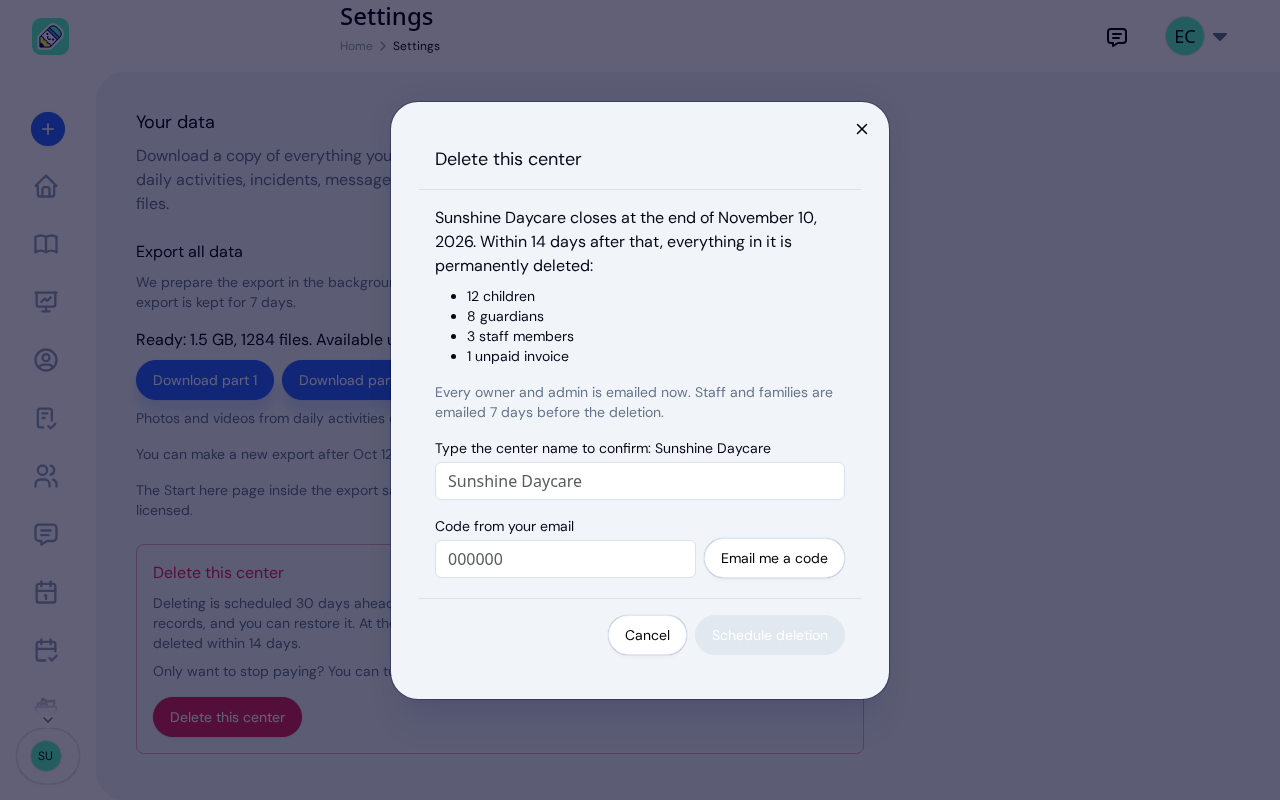
New: Delete Your Center From Settings
Owners can schedule their center's deletion from Settings, keep a full copy of their records, and restore the center...
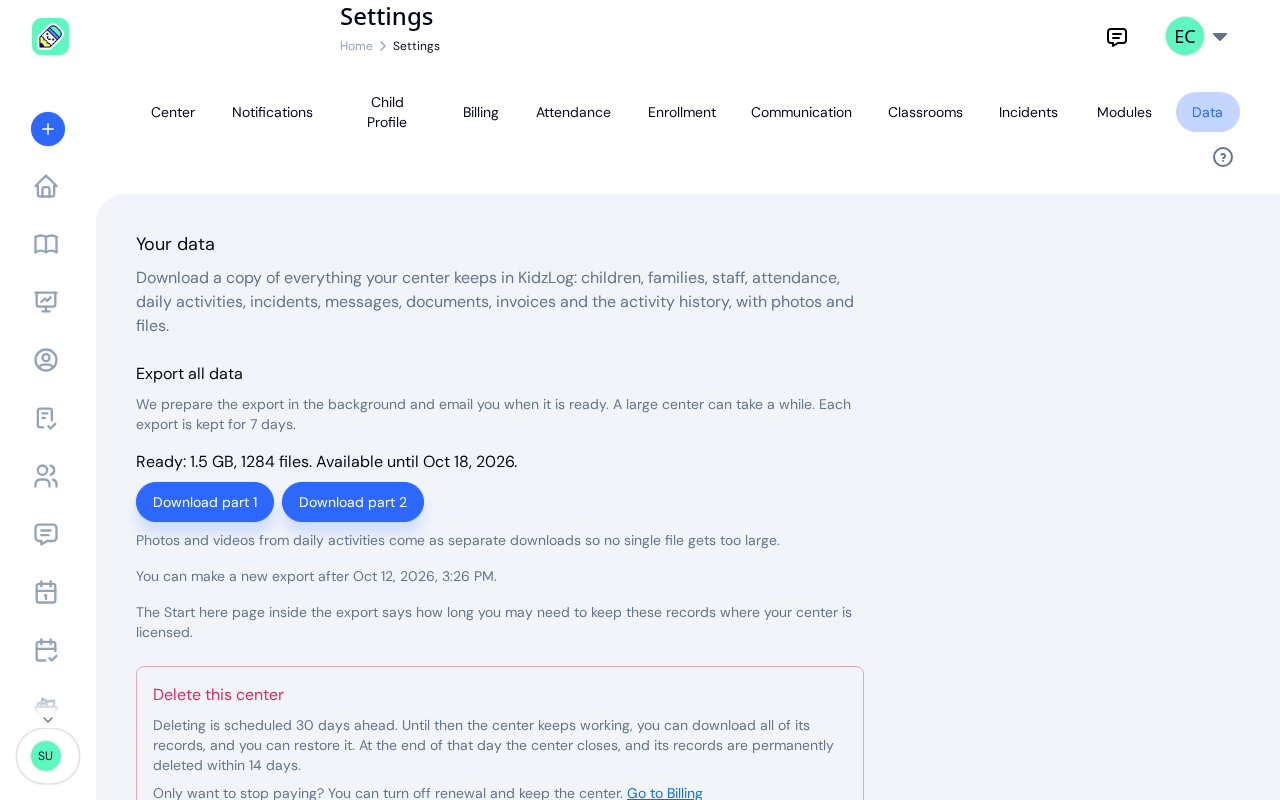
New: Export All of Your Center's Data
Owners can now download everything their center keeps in KidzLog: records as spreadsheets, documents, signatures,...
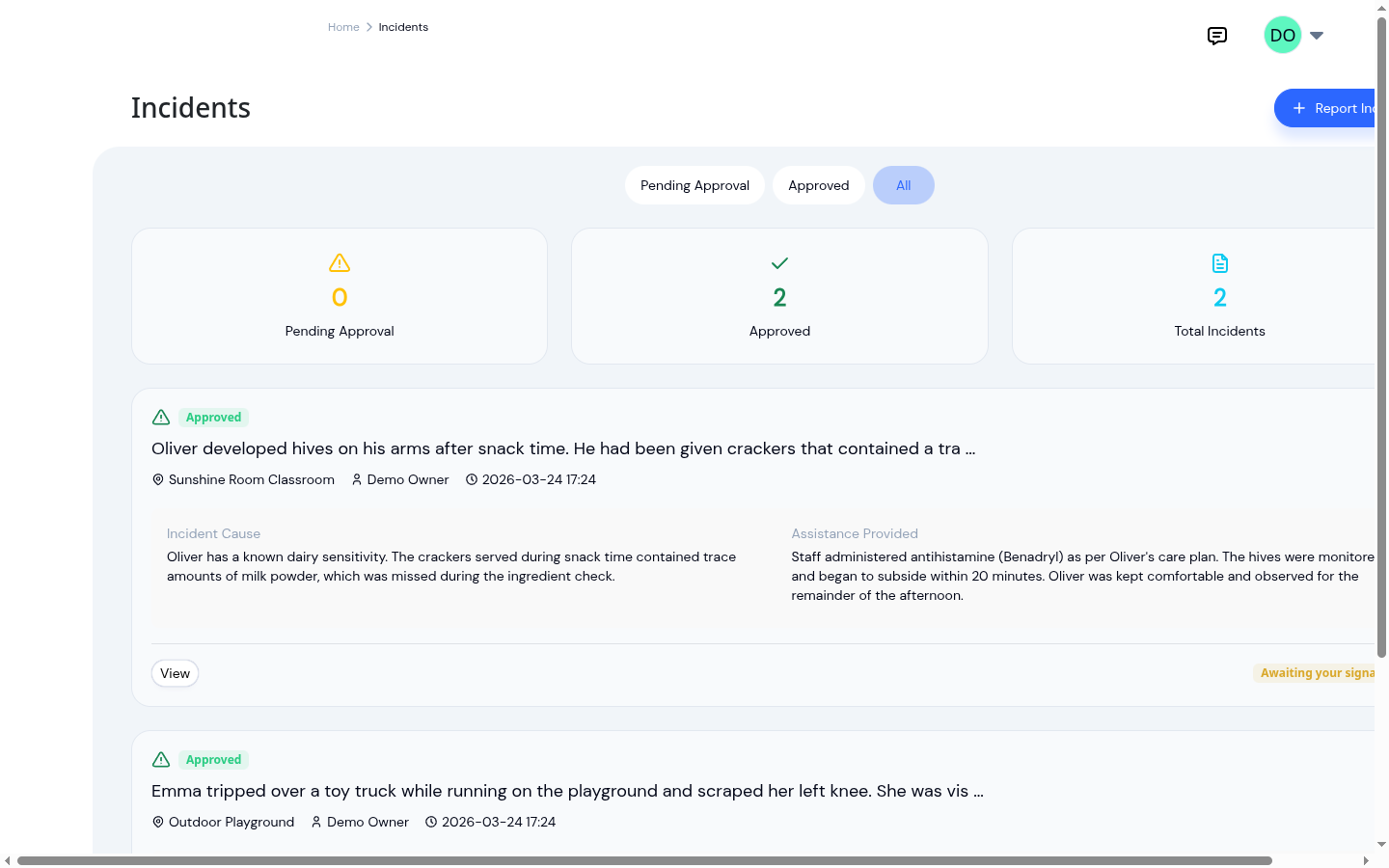
Paper vs digital incident reports
Paper vs digital incident reports compared on time spent writing them, accuracy of the record, and how easily they can...