Building an Online Presence for Your Center
The vast majority of parents research childcare options online before making contact, with consumer research showing that over 80% of people read reviews before choosing service providers. For childcare centers across the United States and Canada, a strong digital presence isn't just beneficial—it's essential for survival and growth in an increasingly competitive marketplace.
The modern parent journey begins with a Google search, continues through social media exploration, and often concludes with review verification. Yet many childcare centers still struggle with fragmented digital strategies, outdated websites, and inconsistent online messaging. This comprehensive guide provides childcare directors and owners with proven strategies to build a powerful online presence that attracts families, builds trust, and drives enrollment.
Whether you're operating a small family daycare in suburban Ontario or managing a multi-location childcare chain in Texas, this guide addresses the unique digital marketing challenges facing North American childcare providers. For broader enrollment strategies, see our guide on proven marketing strategies to boost enrollment. From website optimization and social media strategy to review management and local SEO, you'll discover actionable tactics that deliver measurable results.
The Digital Childcare Landscape
Current Market Realities
Today's childcare market operates in a digital-first environment where first impressions happen online. Recent industry studies reveal that 78% of parents visit a childcare center's website before scheduling a tour, while 65% follow potential providers on social media to gauge day-to-day operations and center culture.
The industry faces significant operational challenges, with childcare centers experiencing staff turnover rates 65% higher than typical jobs. This reality makes efficient digital communication and streamlined operations even more critical for maintaining quality care while managing operational pressures.
The COVID-19 pandemic accelerated digital adoption among parents, creating expectations for transparent communication, virtual tours, and real-time updates about their children's activities. Childcare centers that embraced digital transformation during this period generally experienced stronger enrollment performance compared to those maintaining traditional marketing approaches, with many reporting improved parent engagement and streamlined operations.
Geographic Considerations for US and Canadian Markets
Childcare providers must navigate different regulatory landscapes, cultural expectations, and digital behaviors across North American markets. Canadian centers often emphasize bilingual content (English/French), particularly in Quebec, while US centers may focus more on state-specific licensing information and regional cultural considerations.
Both markets share common digital trends: mobile-first browsing (85% of parent searches occur on mobile devices), visual content preference (video engagement rates 300% higher than text), and review-driven decision making (average of 7 reviews read before contact).
Website Optimization: Your Digital Front Door
Essential Website Elements
Your website serves as the cornerstone of your online presence, requiring optimization for both search engines and user experience. Modern childcare websites must deliver information quickly, showcase facility quality, and provide easy contact mechanisms.
Core Content Requirements:
- Clear value proposition visible within 3 seconds
- Staff credentials and background check information
- Daily schedule examples and curriculum overviews
- Licensing information and safety protocols
- Virtual tour or high-quality facility photos
- Enrollment process and pricing transparency
- Parent testimonials and success stories
Technical Optimization Standards:
- Mobile-responsive design (essential for 85% mobile traffic)
- Page load speeds under 3 seconds
- SSL security certification
- Local SEO optimization with schema markup
- Accessibility compliance (WCAG 2.1 AA standards)
- Integration with management software for seamless communication
Content Strategy for Maximum Impact
Effective childcare websites tell stories rather than simply listing services. Parents want to envision their child's experience, understand your educational philosophy, and feel confident about safety and care quality.
High-Converting Content Types:
- Day-in-the-life photo galleries showing typical activities
- Staff introduction videos highlighting qualifications and personalities
- Parent testimonial videos discussing specific benefits
- Educational blog posts demonstrating expertise
- FAQ sections addressing common concerns
- Resource libraries for parents (development milestones, activity ideas)
Local SEO Optimization
Local search optimization drives a significant portion of childcare center website traffic, with local searches being particularly important for service-based businesses. Proper implementation ensures your center appears when parents search for "daycare near me" or "preschool in city name."
Critical Local SEO Elements:
- Google My Business optimization with complete profile
- Consistent NAP (Name, Address, Phone) across all online directories
- Location-specific landing pages for multi-site operations
- Local keyword integration (neighborhood names, landmarks)
- Community involvement and partnership mentions
- Local schema markup implementation
Social Media Strategy: Building Community and Trust
Platform-Specific Approaches
Different social media platforms serve unique purposes in childcare marketing, requiring tailored content strategies and posting schedules.
Facebook Strategy: Facebook remains the primary platform for childcare marketing, with 79% of US parents using Facebook according to Pew Research. Focus on community building, event promotion, and detailed updates about center activities.
- Content Mix: 40% child activities, 30% educational content, 20% center updates, 10% promotional
- Posting Frequency: 4-5 posts per week during optimal times (7-9 AM, 1-3 PM)
- Engagement Tactics: Live videos, parent Q&A sessions, behind-the-scenes content
- Privacy Considerations: Photo permissions, child safety protocols, parent consent
Instagram Strategy: Instagram excels at showcasing daily activities and center atmosphere through visual storytelling. Note that current Instagram engagement rates average 0.50%, making quality content and strategic posting times even more important.
- Content Focus: High-quality photos of activities, art projects, outdoor play
- Story Features: Daily highlights, quick updates, poll interactions
- IGTV Content: Longer-form educational videos, virtual tours
- Hashtag Strategy: Mix of location-based, industry, and branded hashtags
- Engagement Optimization: Focus on peak posting times and authentic interactions to combat declining organic reach
LinkedIn Strategy: Professional networking for childcare directors, focusing on industry expertise and business development.
- Content Types: Industry insights, staff achievements, business growth
- Networking: Connections with other childcare professionals, community leaders
- Thought Leadership: Articles about childcare trends, regulatory updates
Content Calendar Development
Successful social media requires consistent posting schedules aligned with parent behavior patterns and seasonal activities.
Weekly Content Framework:
- Monday: Educational tip or child development insight
- Tuesday: Activity highlight or art project showcase
- Wednesday: Staff spotlight or behind-the-scenes content
- Thursday: Parent testimonial or success story
- Friday: Weekly recap or upcoming events preview
- Weekend: Community involvement or family-friendly local events
Seasonal Content Themes:
- Fall: Back-to-school preparation, harvest activities, safety reminders
- Winter: Holiday celebrations, indoor activities, health and wellness
- Spring: Outdoor exploration, growth and development themes
- Summer: Summer camp programs, outdoor activities, sun safety
Privacy and Safety Protocols
Childcare centers must balance marketing effectiveness with child safety and privacy protection. Develop comprehensive social media policies addressing photo permissions, child identification, and content sharing guidelines. This is particularly critical with 2025 COPPA compliance updates introducing new restrictions for children's online content effective June 2025.
Essential Safety Measures:
- Written photo/video consent forms for all enrolled children
- Staff training on appropriate content sharing
- Regular review and removal of outdated content
- Secure account management with two-factor authentication
- Clear guidelines for tagging and identifying children
- Compliance with provincial/state privacy regulations
- 2025 COPPA Compliance: Updated restrictions on data collection from children under 13
- Canadian PIPEDA Compliance: Proper consent and data handling for personal information collection
- Regular policy reviews to maintain compliance with evolving privacy legislation
Online Reputation Management
Review Platform Optimization
Online reviews directly impact enrollment decisions, as research shows the majority of consumers read multiple reviews before contacting service providers. Proactive reputation management ensures positive experiences translate into compelling online testimonials.
Primary Review Platforms:
- Google My Business: Most influential for local search results
- Facebook: Integrated with social media presence
- Yelp: Particularly important in urban markets
- Care.com: Specialized childcare platform
- Local directories: Community-specific review sites
Review Generation Strategies
Systematic review collection ensures consistent positive feedback while identifying areas for improvement.
Effective Review Requests:
- Timing: Request reviews during positive experiences (successful transitions, milestone achievements)
- Method: Personal requests during pickup/drop-off, follow-up emails, text messages
- Incentives: Thank-you notes, small appreciation gifts (where legally permitted)
- Process: Make leaving reviews easy with direct links and simple instructions
Review Request Scripts: "We're so glad child's name is thriving in our program! If you have a moment, we'd appreciate a quick review on Google sharing your experience. It helps other families learn about our center."
Responding to Reviews
Professional review responses demonstrate commitment to quality and customer service while addressing concerns constructively.
Response Best Practices:
- Timing: Respond within 24-48 hours
- Tone: Professional, grateful, solution-focused
- Length: 2-3 sentences for positive reviews, longer explanations for concerns
- Privacy: Never share specific child or family information
- Resolution: Offer offline discussion for detailed issues
Sample Responses:
Positive Review Response: "Thank you for this wonderful review! We're thrilled that child's name is enjoying our program and that you've seen such positive growth. Our entire team works hard to create a nurturing environment where children can learn and thrive."
Negative Review Response: "Thank you for sharing your feedback. We take all concerns seriously and would appreciate the opportunity to discuss this matter further. Please contact our director at phone/email so we can work together to address your concerns and improve our services."
Advanced Digital Marketing Strategies
Content Marketing for Childcare Centers
Content marketing establishes expertise while providing valuable resources to current and prospective families. Effective content addresses common parent concerns, showcases educational philosophy, and demonstrates center quality.
High-Value Content Topics:
- Child development milestones and what to expect
- Preparing children for transitions (home to daycare, daycare to school)
- Seasonal activities families can do at home
- Nutrition tips for growing children
- Managing separation anxiety
- Early literacy and numeracy development
- Safety tips and emergency preparedness
Content Distribution Channels:
- Blog posts on center website for SEO benefits
- Email newsletters for parent engagement
- Social media posts for broader reach
- Parent handouts for offline reinforcement
- Community presentations for local exposure
Email Marketing Strategies
Email marketing maintains ongoing communication with enrolled families while nurturing prospective parent relationships.
Email Campaign Types:
- Weekly newsletters with center updates and educational content
- Monthly development tips aligned with child age groups
- Event announcements for open houses, special programs
- Enrollment campaigns for prospective families
- Parent education series covering relevant topics
- Holiday and seasonal greetings with activity suggestions
Segmentation Strategies:
- Current families by child age groups
- Prospective families by inquiry stage
- Wait list families with priority enrollment information
- Alumni families for referral opportunities
- Community members interested in educational content
Video Marketing Implementation
Video content generates 1200% more shares than text and images combined, making it essential for childcare marketing strategies.
Effective Video Content Types:
- Virtual tours showing facility features and safety measures
- Day-in-the-life videos following typical schedules
- Staff introductions highlighting qualifications and personality
- Educational content demonstrating activities and teaching methods
- Parent testimonials sharing authentic experiences
- Q&A sessions addressing common concerns
Production Considerations:
- Privacy compliance with child consent and identification protocols, including 2025 COPPA updates
- Quality standards ensuring professional appearance while maintaining authenticity
- Platform optimization creating versions for different social media requirements
- Accessibility features including captions and descriptions
- Regulatory compliance ensuring content meets both US and Canadian privacy standards
- Staff training on appropriate filming and sharing protocols given industry staffing challenges
Technology Integration and Communication Enhancement
Leveraging Childcare Management Software
Modern childcare centers benefit from integrated technology solutions that streamline operations while enhancing parent communication. Platforms like KidzLog provide comprehensive management tools that improve efficiency and strengthen family relationships.
Digital Communication Benefits:
- Real-time updates about child activities and milestones
- Photo sharing with secure, private family access
- Attendance tracking with automatic notifications
- Billing and payment processing for convenience
- Assessment documentation supporting development discussions
- Emergency communications ensuring rapid information distribution
Parent Engagement Features:
- Daily reports summarizing activities, meals, and rest periods
- Development portfolios showcasing growth and achievements
- Two-way messaging facilitating quick questions and updates
- Calendar integration for events, holidays, and special programs
- Resource sharing providing educational materials and activity ideas
Balancing Digital and Personal Connections
While digital tools enhance communication efficiency, maintaining personal relationships remains crucial for childcare success. The most effective centers blend technology benefits with authentic human connections.
Best Practice Integration:
- Supplement, don't replace face-to-face interactions
- Use technology to document and share meaningful moments
- Provide training ensuring staff comfort with digital tools
- Gather feedback about communication preferences and effectiveness
- Maintain flexibility accommodating different family technology comfort levels
Measuring Success: Analytics and KPIs
Website Performance Metrics
Tracking website performance provides insights into user behavior and conversion opportunities.
Key Performance Indicators:
- Organic traffic growth indicating SEO effectiveness
- Time on site showing content engagement
- Page views per session demonstrating site navigation
- Bounce rate revealing content relevance
- Contact form completions measuring conversion success
- Phone call tracking from website visits
Recommended Tools:
- Google Analytics 4 for comprehensive website insights
- Google Search Console for search performance monitoring
- Call tracking software measuring phone conversions
- Heat mapping tools understanding user behavior patterns
Social Media Analytics
Social media success requires monitoring engagement rates, follower growth, and conversion metrics.
Essential Metrics:
- Engagement rate (likes, comments, shares per follower)
- Follower growth rate indicating audience building success
- Reach and impressions measuring content visibility
- Click-through rates to website or contact forms
- Video completion rates for video content effectiveness
- Story completion rates for Instagram story engagement
Return on Investment Calculations
Digital marketing investments must demonstrate clear returns through enrollment increases and operational efficiencies.
ROI Measurement Framework:
- Cost per lead from digital marketing activities
- Conversion rate from inquiry to enrollment
- Customer lifetime value for enrolled families
- Referral rate from satisfied digital-engaged families
- Time savings from automated communication processes
Implementation Timeline and Action Plan
Phase 1: Foundation Building (Weeks 1-4)
Week 1-2: Website Audit and Optimization
- Conduct comprehensive website review
- Implement mobile responsiveness improvements
- Optimize page loading speeds
- Update content with current information
- Install Google Analytics and Search Console
Week 3-4: Google My Business Setup
- Claim and verify Google My Business listing
- Complete all profile information
- Upload high-quality photos
- Set up posting schedule
- Implement review monitoring system
Phase 2: Social Media Launch (Weeks 5-8)
Week 5-6: Platform Setup and Content Planning
- Create professional social media profiles
- Develop content calendar template
- Design branded visual templates
- Establish posting schedules
- Create photo permission system
Week 7-8: Content Creation and Posting
- Begin regular posting schedule
- Engage with community content
- Monitor engagement and adjust strategy
- Collect initial parent feedback
- Document successful content types
Phase 3: Review Management and Advanced Strategies (Weeks 9-12)
Week 9-10: Reputation Management
- Implement systematic review request process
- Create review response templates
- Monitor all review platforms
- Address any existing negative reviews
- Train staff on review importance
Week 11-12: Email Marketing and Content Strategy
- Set up email marketing platform
- Create welcome sequence for new families
- Develop monthly newsletter template
- Begin blog content creation
- Plan video content production
Phase 4: Optimization and Scaling (Weeks 13-16)
Week 13-14: Analytics Implementation
- Set up comprehensive tracking systems
- Create monthly reporting templates
- Analyze initial performance data
- Identify successful strategies
- Plan optimization improvements
Week 15-16: Strategy Refinement
- Adjust tactics based on performance data
- Expand successful content types
- Increase posting frequency where effective
- Plan advanced marketing campaigns
- Develop long-term growth strategies
Common Challenges and Solutions
Challenge: Limited Time and Resources
Problem: Many childcare directors feel overwhelmed by digital marketing demands while managing daily operations.
Solutions:
- Batch content creation dedicating specific times to creating multiple posts
- Template development for consistent, efficient content production
- Staff involvement training team members to contribute content
- Automation tools for scheduling posts and managing routine tasks
- Outsourcing options for specialized tasks like website maintenance
Challenge: Privacy and Safety Concerns
Problem: Balancing marketing effectiveness with child safety and privacy protection.
Solutions:
- Clear privacy policies outlining photo and information usage
- Parent consent systems ensuring permission for all shared content
- Staff training programs covering appropriate sharing guidelines
- Regular policy reviews keeping practices current with regulations
- Secure platform selection choosing reputable, safe social media management tools
Challenge: Measuring Return on Investment
Problem: Difficulty connecting digital marketing activities to enrollment increases and revenue growth.
Solutions:
- Lead tracking systems monitoring inquiry sources and conversion rates
- Customer surveys asking new families about decision-making factors
- Phone call tracking measuring website-driven communications
- Referral monitoring tracking social media and review-driven referrals
- Long-term analysis evaluating cumulative effects over extended periods
Challenge: Staying Current with Platform Changes
Problem: Social media platforms frequently update algorithms and features, affecting content reach and engagement.
Solutions:
- Industry newsletter subscriptions staying informed about platform updates
- Professional development attending digital marketing workshops and webinars
- Networking groups connecting with other childcare providers for strategy sharing
- Experimentation culture testing new features and strategies regularly
- Flexible strategy approach adapting quickly to platform changes
Future Trends and Preparation
Emerging Digital Technologies
The childcare industry continues evolving with new technologies offering enhanced communication and operational efficiency opportunities.
Artificial Intelligence Integration:
- Chatbots for initial parent inquiries and FAQ responses
- Personalized content tailored to individual family interests
- Predictive analytics identifying optimal enrollment and retention strategies
- Automated scheduling for tours, meetings, and events
Virtual and Augmented Reality:
- Virtual facility tours allowing remote exploration
- Interactive learning experiences for children and parent education
- Staff training simulations improving professional development
- Virtual parent meetings expanding accessibility
Evolving Parent Expectations
Modern parents increasingly expect seamless digital experiences matching other service industries.
2025 and Beyond Trends:
- Instant communication with real-time updates and responses
- Personalized experiences tailored to individual child and family needs
- Transparent operations with detailed documentation and reporting
- Community integration connecting families with each other and local resources
- Sustainability focus emphasizing environmental responsibility and education
- Enhanced privacy protection meeting evolving COPPA and international privacy standards
- Staff retention solutions using technology to support workforce stability and professional development
Preparation Strategies:
- Technology adoption planning budgeting for new tools and training
- Staff development programs ensuring team readiness for digital evolution
- Parent feedback systems understanding changing expectations and preferences
- Partnership opportunities collaborating with technology providers and community organizations
- Continuous improvement culture embracing change and innovation
Key Implementation Points
- Start with website optimization ensuring mobile-responsive design and fast loading speeds
- Focus on Google My Business as the foundation for local search visibility
- Develop systematic review collection processes for consistent positive feedback
- Create content calendars ensuring regular, valuable social media posting
- Implement privacy protocols protecting children while enabling effective marketing
- Track performance metrics using analytics to guide strategy improvements
- Balance digital and personal connections for authentic family relationships
- Invest in professional photography showcasing facility quality and activities
- Optimize for mobile users recognizing 85% of parent searches occur on phones
- Plan for technology integration leveraging platforms like KidzLog for enhanced communication. Explore our overview of top technology tools to streamline your childcare operations for implementation guidance
- Stay current with trends adapting strategies as parent expectations evolve
- Measure return on investment connecting digital efforts to enrollment and revenue growth
Ready to streamline your childcare center operations? Try KidzLog today and see how easy managing your daycare can be!
Ready to Simplify and Organize your Daycare?
Get started with KidzLog today!
KidzLog Team
Related Articles
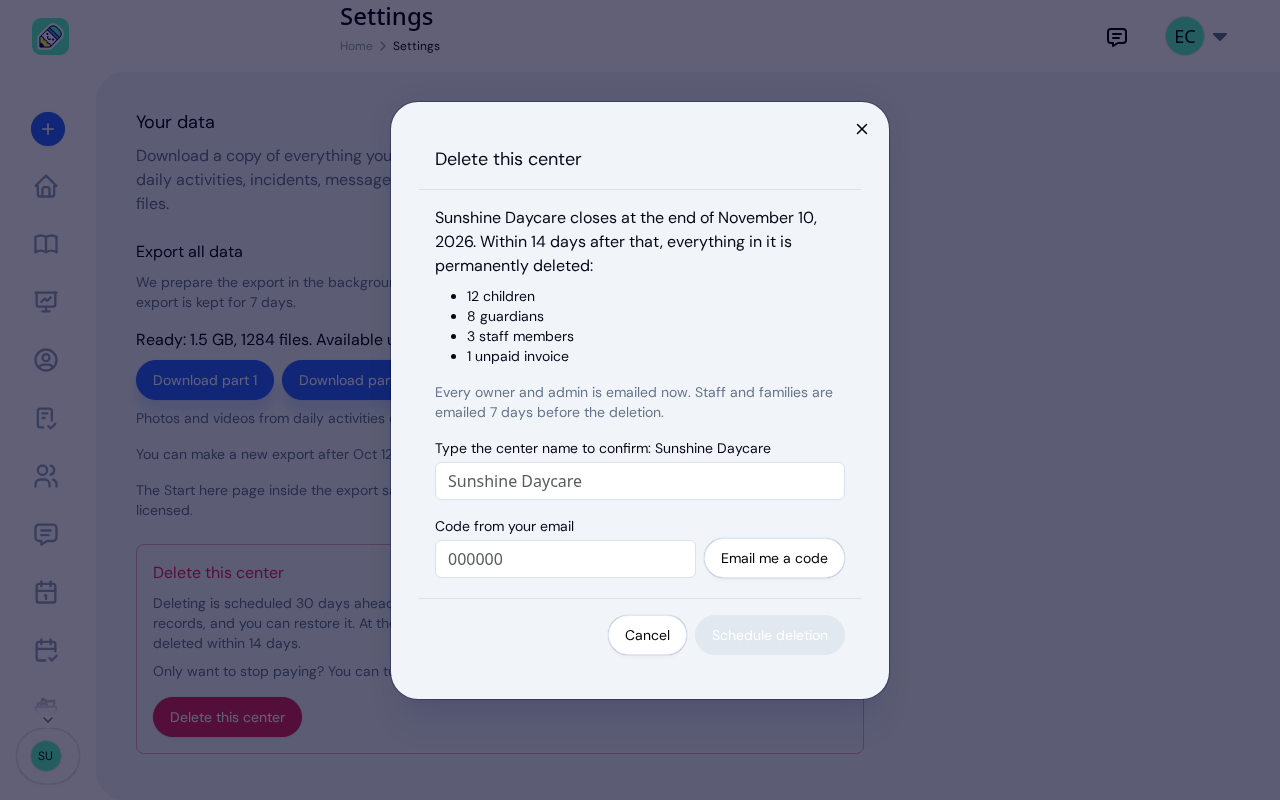
New: Delete Your Center From Settings
Owners can schedule their center's deletion from Settings, keep a full copy of their records, and restore the center...
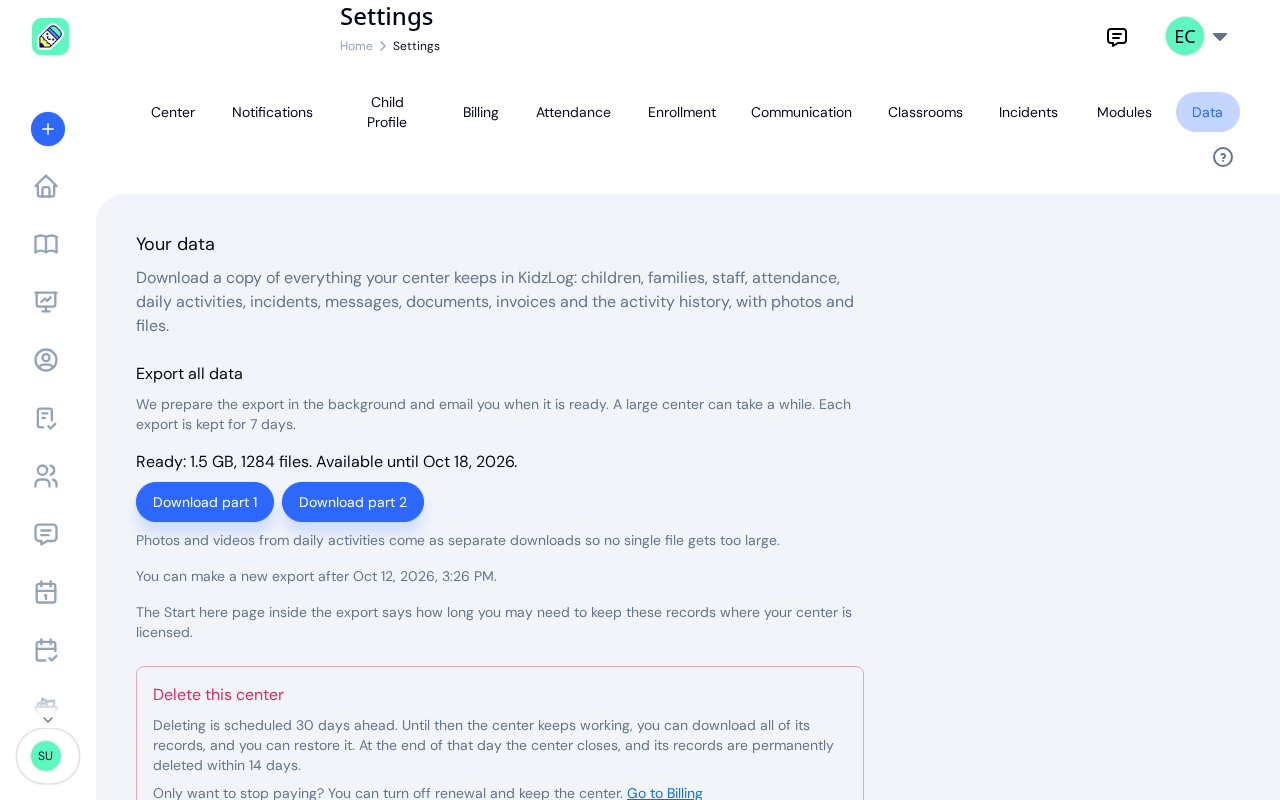
New: Export All of Your Center's Data
Owners can now download everything their center keeps in KidzLog: records as spreadsheets, documents, signatures,...
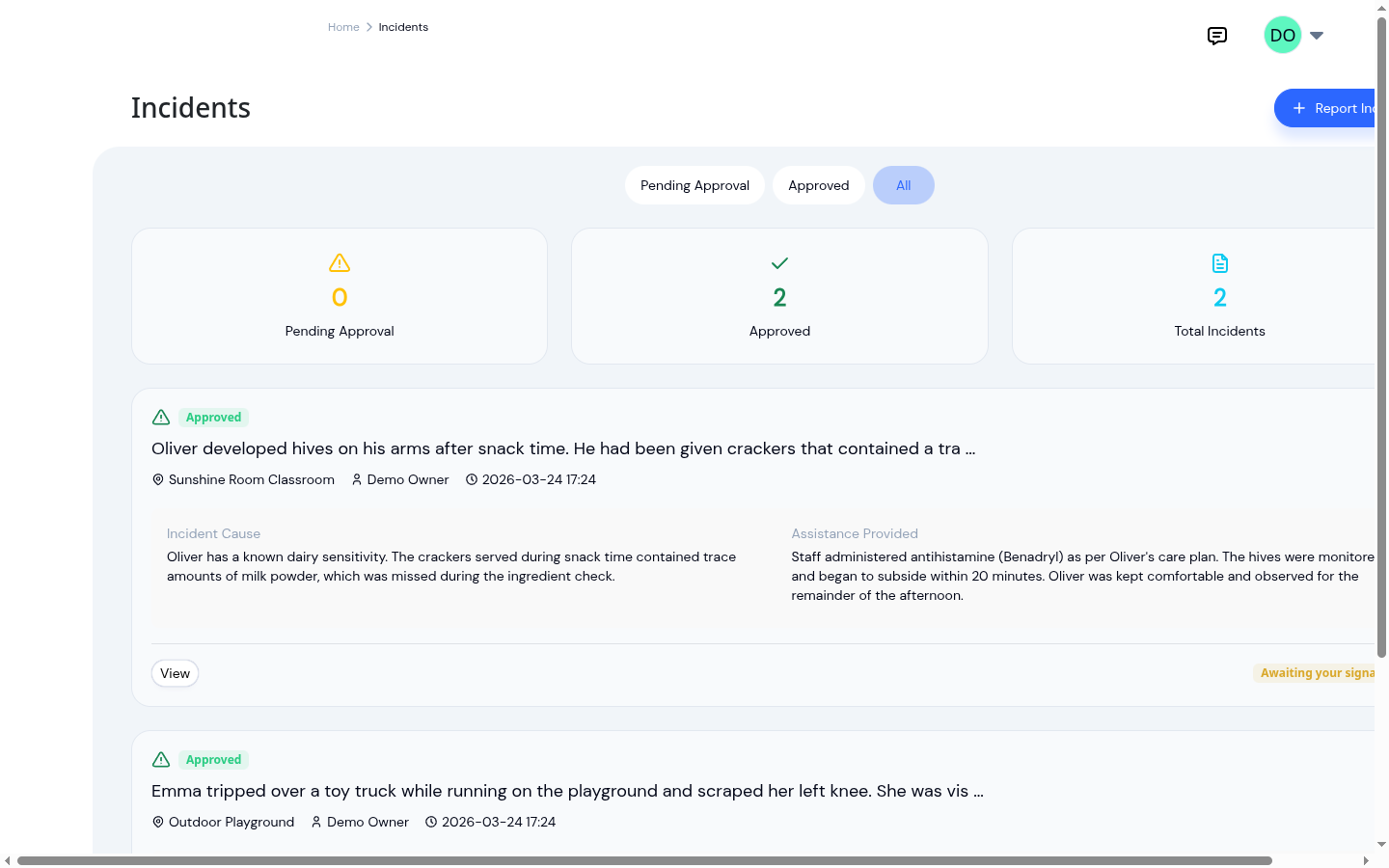
Paper vs digital incident reports
Paper vs digital incident reports compared on time spent writing them, accuracy of the record, and how easily they can...